
https://www.blackgate.com/

The 13th Warrior: Twelve Vikings and an Arab Walk into a Bar
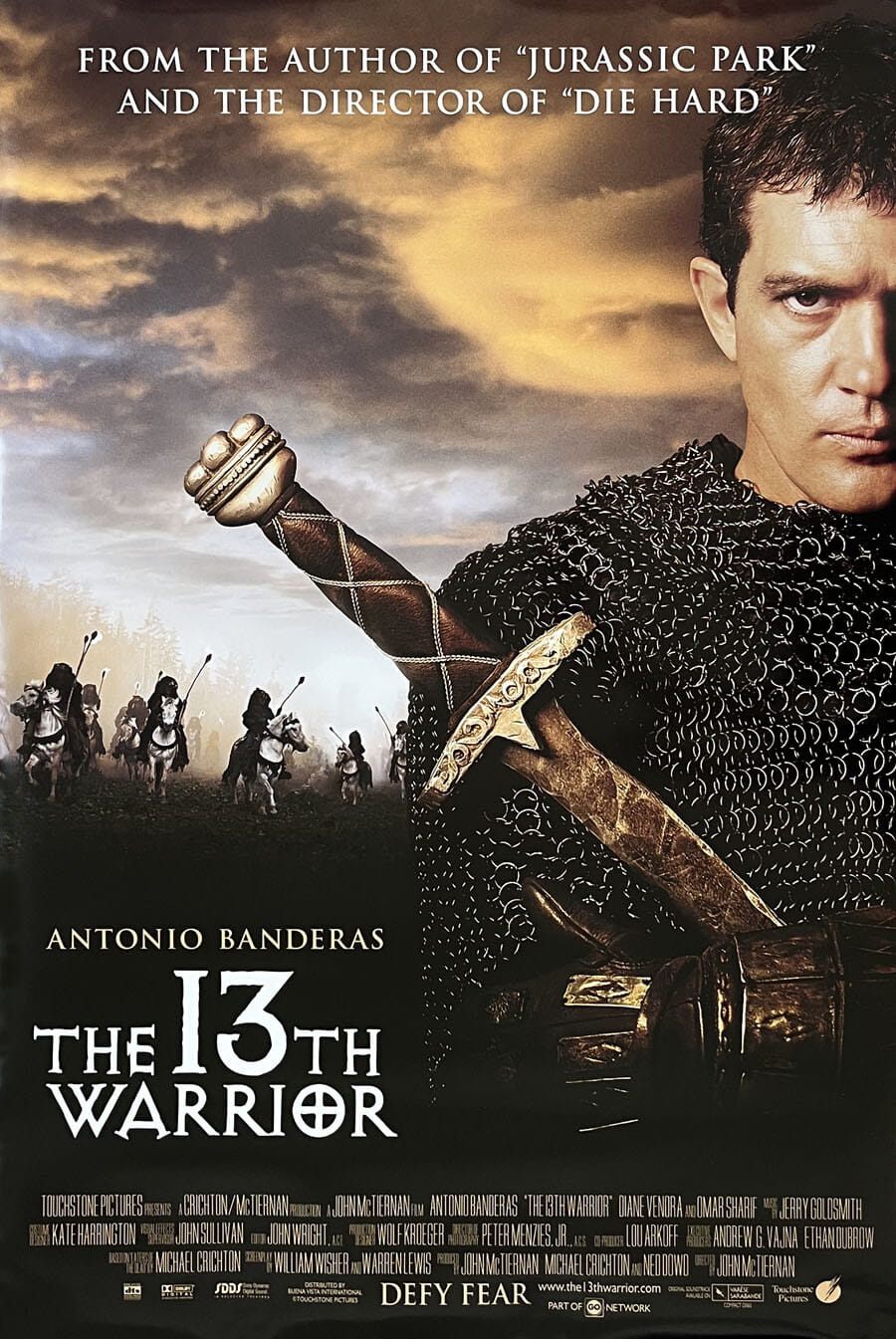 The 13th Warrior (Touchstone Pictures, August 27, 1999)
The 13th Warrior (102 minutes; 1999)
The 13th Warrior (Touchstone Pictures, August 27, 1999)
The 13th Warrior (102 minutes; 1999)
Written by William Wisher and Warren Lewis. Directed by John McTiernan
Based on the novel, Eaters of the Dead, by Michael Crichton, who also served as a producer and uncredited director.
What is it?A version of the Beowulf story, as witnessed by an aristocratic Arab who accompanies a dozen Viking warriors into battle against a mysterious army of cannibalistic cavemen.
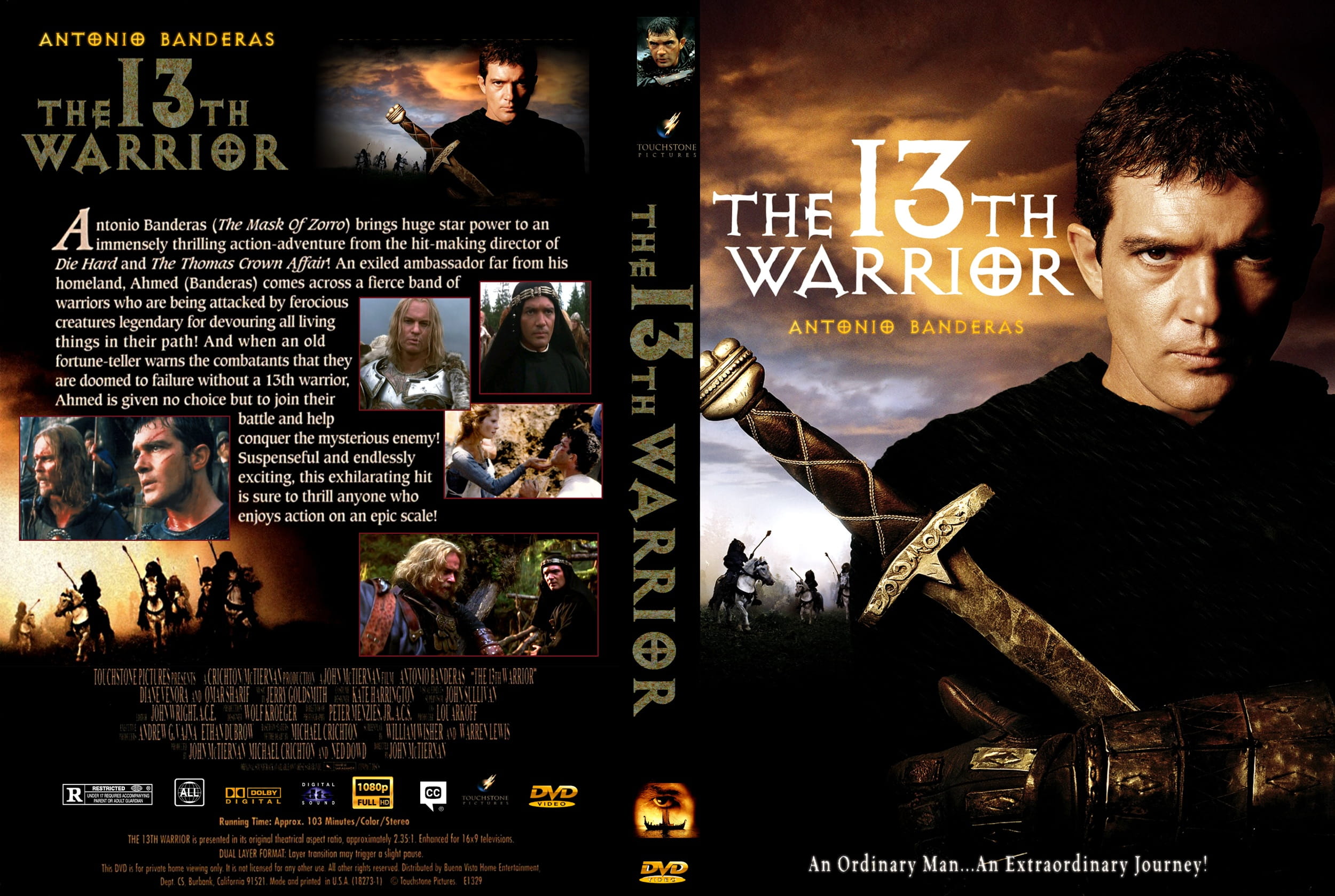
Touchstone Films produced The 13th Warrior as a vehicle for star Antonio Banderas, bringing in John McTiernan (Die Hard) to direct. When test audiences proved unhappy with the results, famed writer Michael Crichton, who had penned the novel on which it was based, took over production. He reshot numerous scenes and took a broadsword to what McTiernan had already filmed. He even went so far as to toss out the… let us be charitable and say “interesting” musical score by Graeme Revell and replace it with unquestionably great new compositions by Jerry Goldsmith. The result is a film that is uneven in places, as one might expect from having multiple cooks in the kitchen, but spectacular in others.
The studio shelved the finished product for roughly a year, before unceremoniously shoving it out under a different title and with little fanfare to theaters in the summer of 1999. There it was promptly given a Viking funeral at the box office by bigger fish such as The Matrix, The Phantom Menace and The Mummy, despite it being better than any of those.
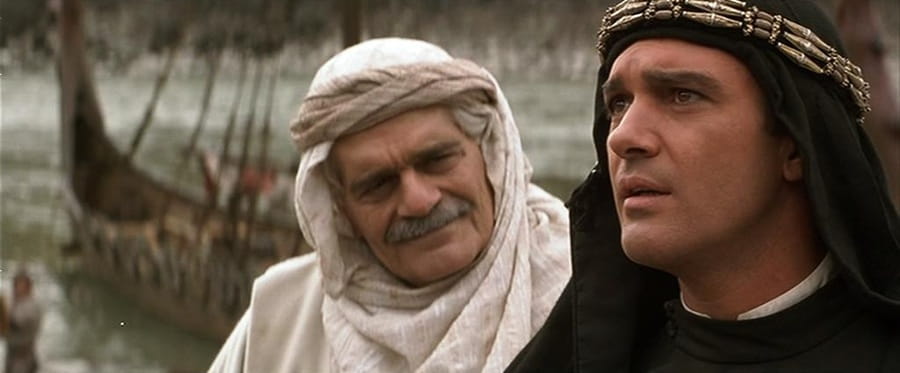 Omar Sharif and Antonio Banderas in The 13th Warrior
Banderas plays the central character, Ahmed Ibn Fahdlan, known to his Viking cohorts as “the Arab” and “Ibn.” The film also stars Scandinavian actors Dennis Storhoi and Vladimir Kulich, with Diane Venora as the queen – one of the very few female characters in the movie – and Tony Curran (Gladiator; League of Extraordinary Gentlemen) as one of the Vikings. The great Omar Sharif (Lawrence of Arabia; Dr Zhivago) appears briefly in the opening scenes as an aide to Banderas’s character.
Michael Crichton wrote the novel Eaters of the Dead in 1976 as a “found manuscript” supposedly composed by Ahmed Ibn Fahdlan, a real person who actually did journey up the Volga River and encounter Vikings during Medieval times. In Crichton’s fictional telling, the king of those Vikings is called Buliwyf, better known today as Beowulf. Fahdlan travels with them and documents their adventures.
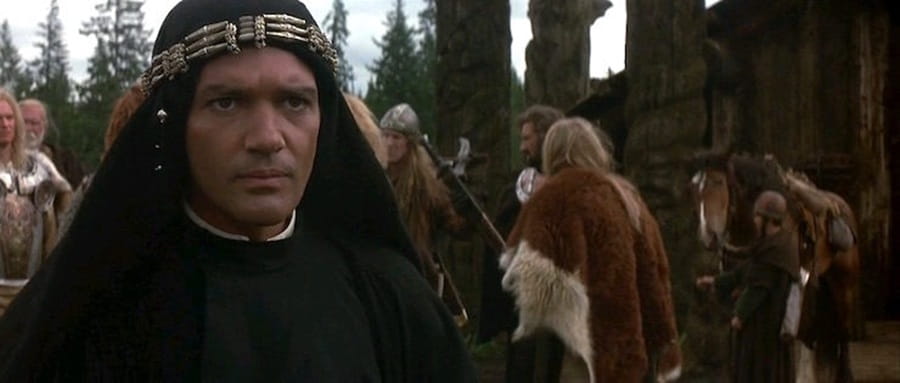
An exiled Arab diplomat (and dandy) finds himself among a group of Vikings led by King Buliwyf. He is chosen to accompany them on a journey to save a distant Viking kingdom from attack. That kingdom is menaced by a mysterious, perhaps supernatural force called “The Wendol.” (“Stop saying it,” warns one survivor of their attack, who fears even the mention of their name.)
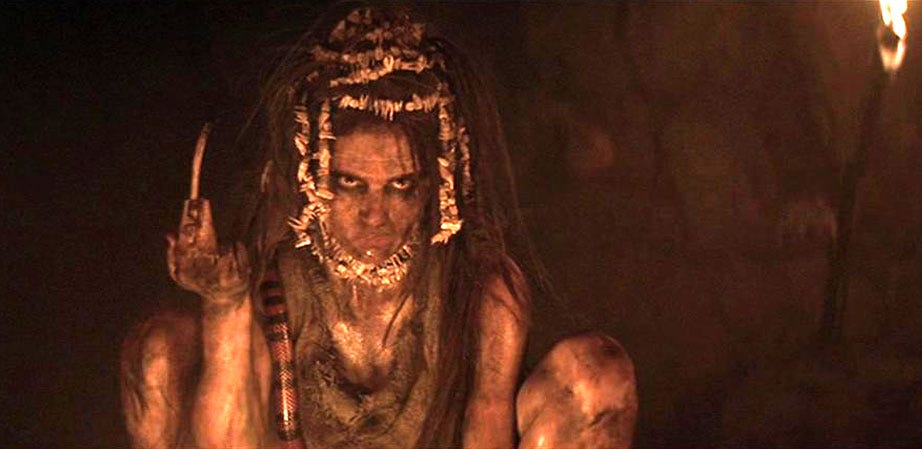
The Wendol turn out to be a group of mysterious, cannibalistic cave-dwellers. Crichton cleverly has them stand in for the “Grendel” creature of Beowulf fame, and in his novel suggests that they are from some other branch of humanity; perhaps the last of the Neanderthals, surviving into Medieval times.
During his travels and travails with the Vikings, Fahdlan grows tremendously as a warrior and as a man. He learns the Viking language, improves his fighting skills, and impresses the rugged men around him with his growing tenacity, courage and determination.
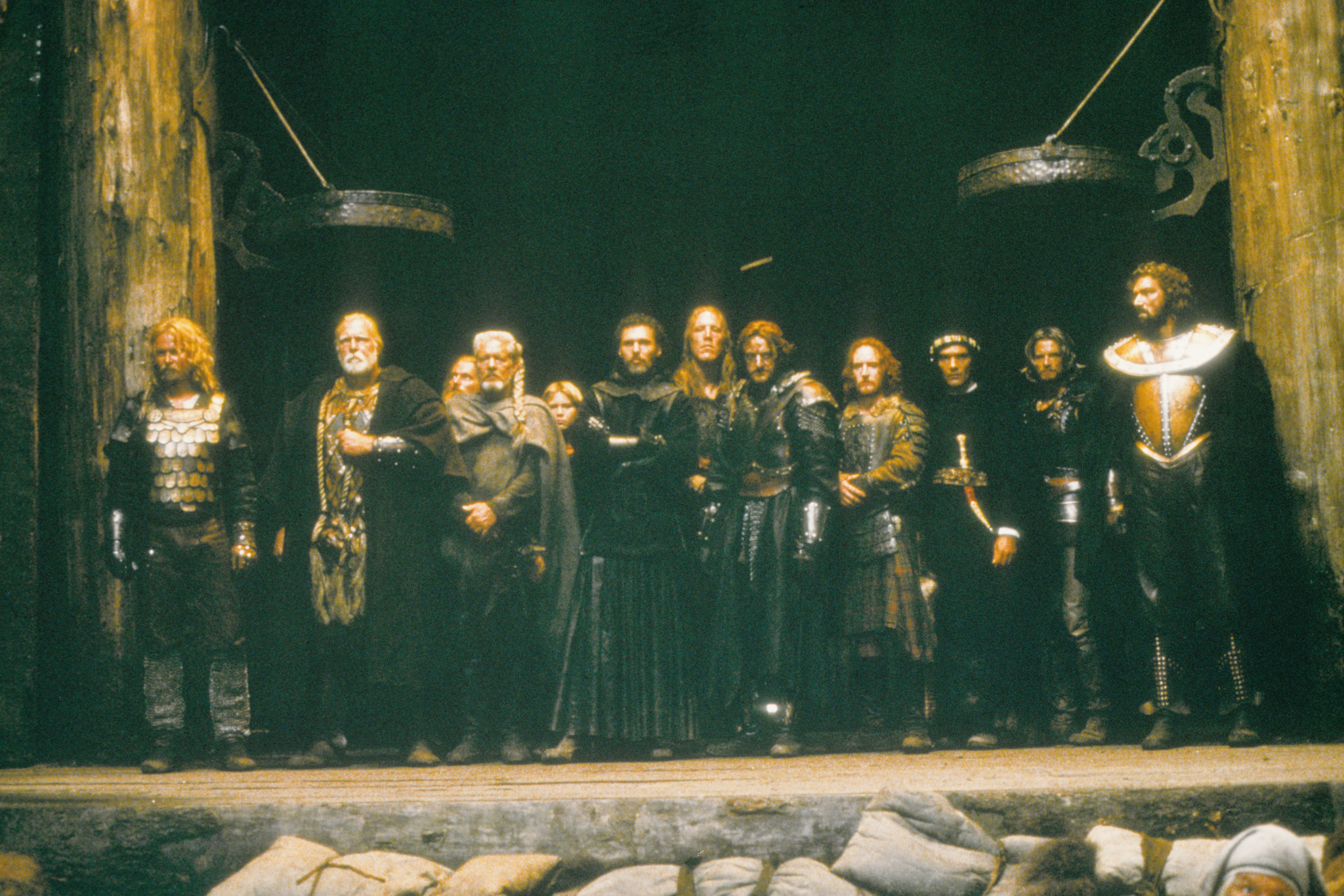
They fight off attacks by the Wendol against the Viking village, battle them deep in their creepy underground caves, and face them one last time on the surface.
At last, Ibn Fahdlan sails away for home, probably destined to chronicle the story of Beowulf. He has earned the friendship and the respect of the Vikings and, more importantly, his own self-respect.
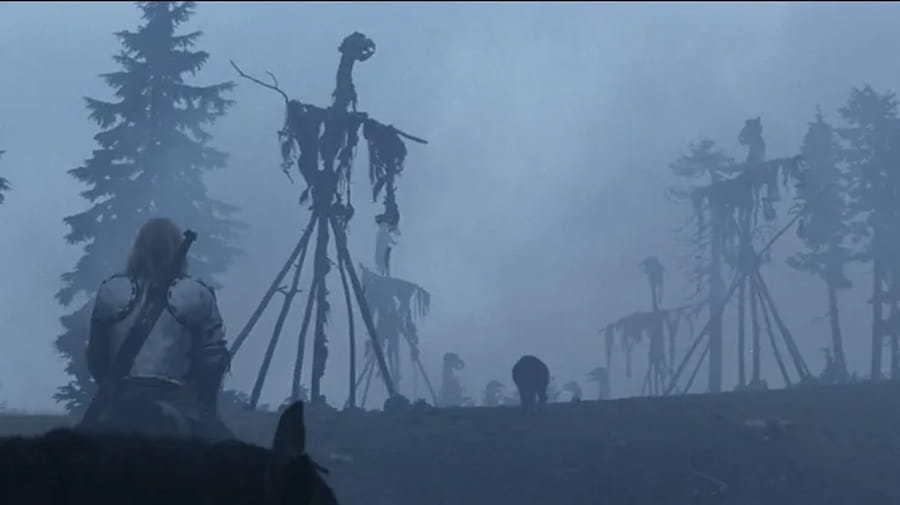
Some would argue that Fahdlan learning to speak with the Vikings so quickly, simply by listening to them during their travels together, constitutes some kind of magic. For my part, I think the movie simply doesn’t make it clear enough that an enormous amount of time passes during this journey. Time enough for the Arab to pick up the basics of their language.
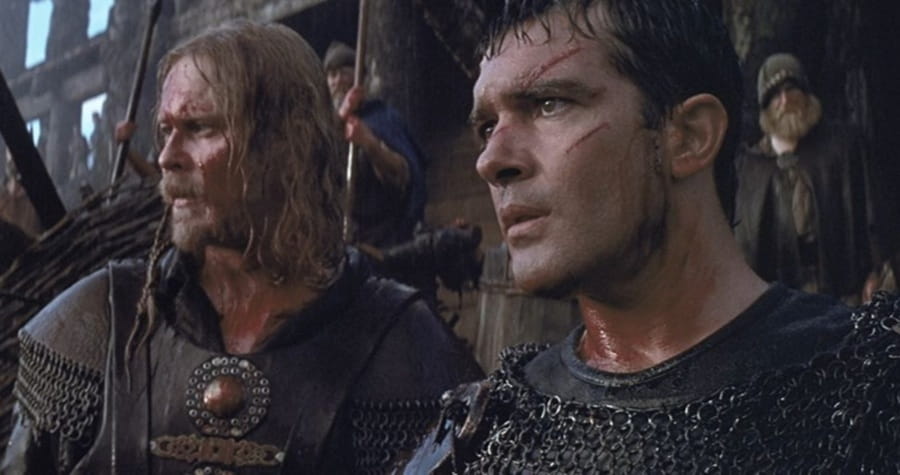
There’s sorcery by the “old woman” who rolls the bones and chooses Fahdlan to accompany the Viking squad on their mission, and there’s sorcery by “the Wendol’s mother” down in her cave. But this is all fairly light stuff. What this movie really is, at its heart, is a buddy-cop team-up quest. Fahdlan, a fish out of water (or rather, out of desert), finds himself having to accept the ways of a civilization he initially looks down on, and learn fighting skills from them, in order to survive and succeed against a truly terrifying enemy.
And we do get some fantastic battles between Vikings and cannibals! I mean, it’s not Pirates vs Ninjas, but still…!
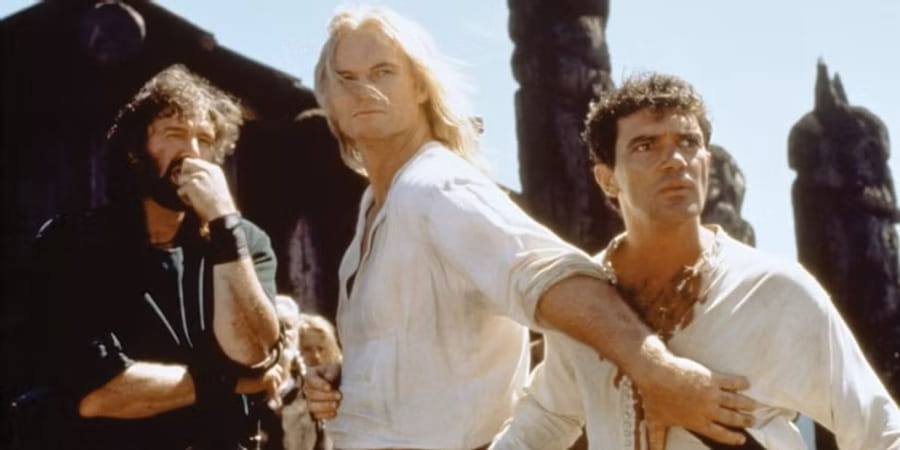
After fighting off the Wendol hordes the first time, Builwyf chooses to take the fight to them. He leads his band of warriors down into the cave network where they lurk. There we get a great set of underground battle scenes to rival those in the Mines of Moria in The Fellowship of the Ring, with climbing, running, swinging over chasms, jumping and swimming – all while being pursued by an army of cannibalistic half-men! Hell yes!
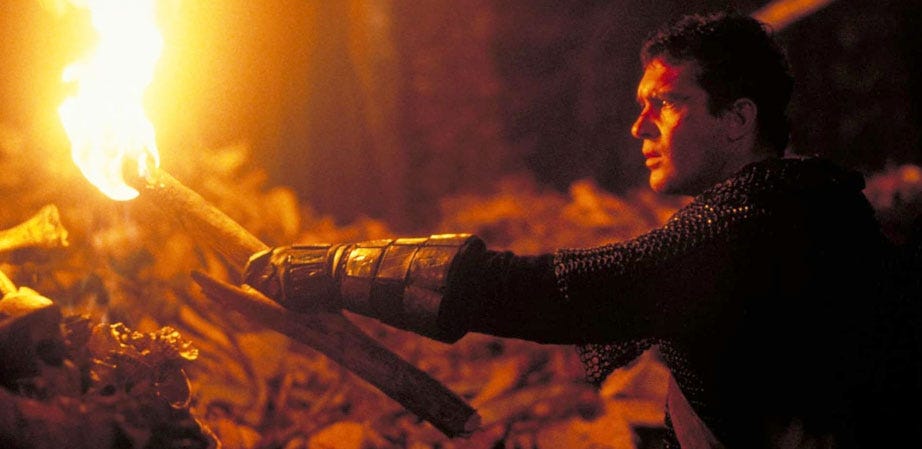
The very beginning and the final act are both uneven, resulting from rewrites and reshoots by Crichton. It’s easy to see that a great deal of the opening, including much of Omar Sharif’s time in the film, was cut. Similarly, the final battle in the village feels tacked on in a way, as if we needed to see one more heroic stand by the team, and check off the box for one more victory by Buliwyf, to properly put a bow on things.
The original McTiernan cut of this movie might well be weaker than the version we got. But I’d still like to compare them, to find out for myself who was right – if only the McTiernan cut would ever be released. That “interesting” Revell score, however, is available for listening on YouTube.
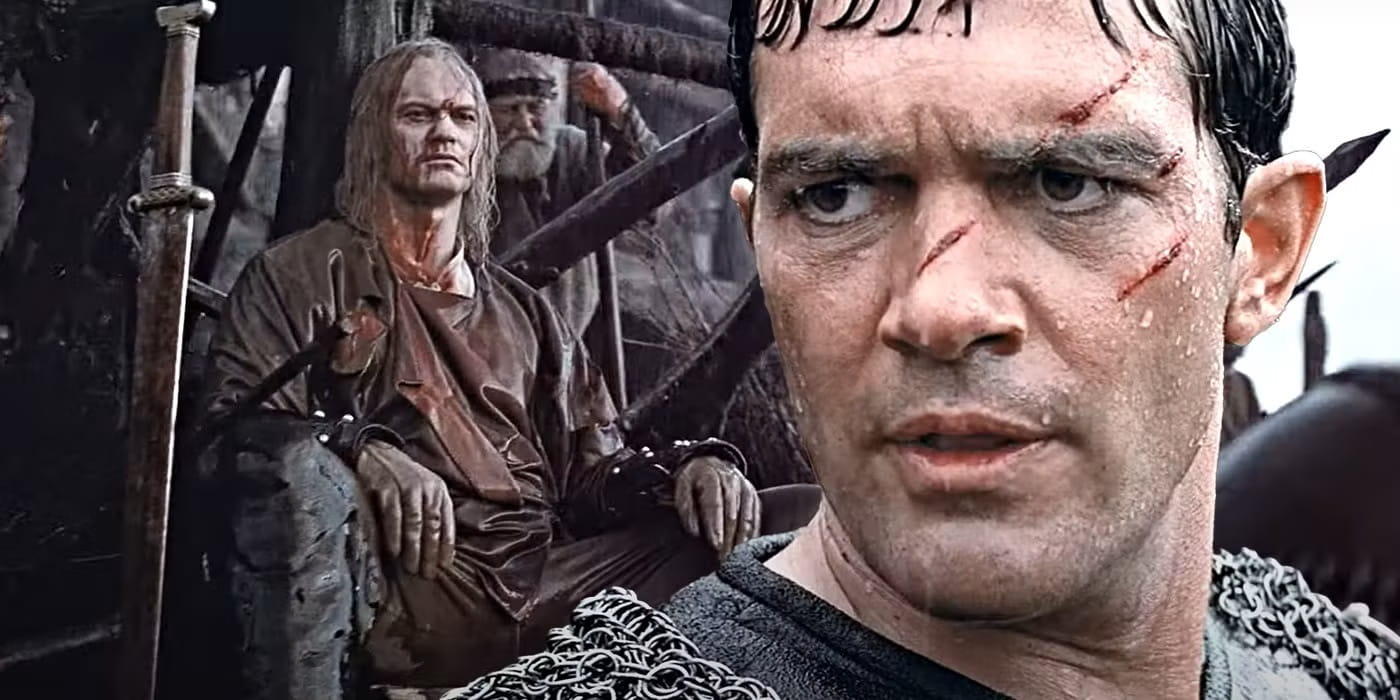
Dennis Storhoi plays the Viking translator, Herger (or “Joyous”), who befriends Banderas’s character first. His performance is indeed joyous. He brings energy, warmth and light to the film, reacting to every situation, no matter how dire, with an upbeat sense of optimistic fatalism – if that can be called a thing. In other words, his attitude from start to finish is, We’re probably all going to die on this crazy mission, but let’s have fun in the meantime!
His attitude is summed up when he admonishes a terrified Fahdlan, “Go and hide in a hole if you wish, but you won’t live one instant longer. Your fate is fixed. Fear profits a man nothing.”
Later, a Viking tosses the Arab a huge sword, and Fahdlan complains that he can’t even lift it. Herger’s response is instantaneous, his solution all too logical and delivered with a warm smile: “Grow stronger!”
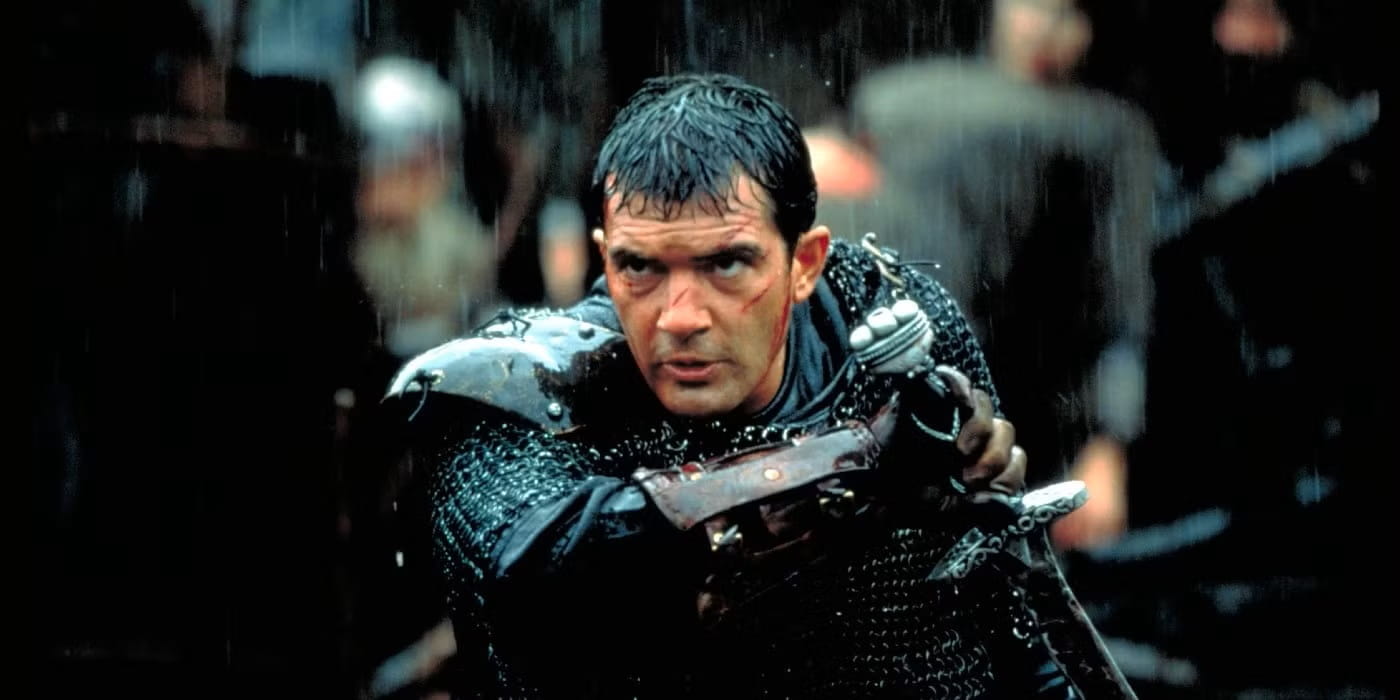
The 13th Warrior might, in some ways, be a mess of a movie. But it is a glorious, delightful, and extremely fun mess! Let’s be honest: There are many worse ways to spend a couple of hours than watching Antonio Banderas and his merry band of Vikings fight the Wendol.
The Wendol?
Stop saying it!!
Van Allen Plexico is a member of the Science Fiction and Fantasy Writers of America (SFWA), a Grand Master of Pulp Literature (2025 class) and a multiple-award-winning author of more than two dozen novels and anthologies, ranging from space opera to Kaiju to crime fiction to superheroes to military SF. Find his works on Amazon and at Plexico.net.
Categories: Fantasy Books
Once We Were Spacemen
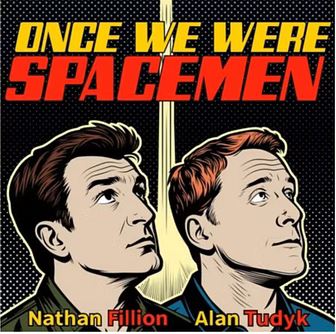 Nathan Fillion and Alan Tudyk have become geek icons. A Knight’s Tale, Castle, Dr. Horrible’s Sing-Along Blog, Resident Alien, The Rookie: they’ve built successful careers over the years. Their real-life friendship, and their nerdy idol status, tracks back to Firefly.
Some day I’ll go in depth on this ill-fated cult classic. Fox aired the episodes out of order, switched nights, then canceled it with some episodes unaired. A ‘tie up some loose ends’ movie (Serenity) followed. Firefly developed a dedicated following and Fillion and the actors became popular at fan conventions around the country. Fillion’s profile skyrocketed when Castle ran for eight hit seasons on ABC. And as his mainstream popularity soared, he became one of the most recognizable figures in the geek world.
Tudyk and Fillion had worked together several years ago on Alan’s hilarious web series, Con Man (mentioned below). Three months ago, they started a podcast together, and it’s fantastic. Episodes of Once We Were Spacemen are 45 minutes to 1 hour long, and it’s two long-time buddies hanging out. They share stories from their friendship, acting careers, and geek experiences. And they are as likable and funny as you hoped. Even more so.
There have been 16 episodes so far. It’s a two-hander about half the time, with a guest about every other show. So far, they’ve brought on Jewel Staite (FF– Kaylee), Gina Torres (FF – Zoe), Mark Addy (A Knight’s Tale), Alexi Hawley (Showrunner, The Rookie), Melissa O’Neill (Lucy, The Rookie), Seth Green (Austin Powers), Sean Maher (FF – Simon), and Summer Glau (FF – River).
There is so much laughter, so many funny stories. Their guests legit love these two guys, who seem to be genuinely awesome people. Hearing Fillion ‘make’ Tudyk get a Playstation when they became friends, so Alan could play Halo with Fillion’s buddies, on a LAN, shows these are real guys. Not Hollywood twits.
The insights into acting, and steps along their career paths, is terrific. Tudyk was an ass during one audition. And later, that very nearly kept him from getting Resident Alien. Just cool stuff.
 I only discovered this show last week, and I’m ten episodes in. I’ve loved every one. Time flies. I watch The Rookie, and Fillion talking about that with his boss, and then also with a co-star, was neat. And the bonds formed during Firefly bleeds out with those guests.
If you are a fan of either actor (and you should be), and/or one of their shows or movies, you’re gonna like this. It’s all podcast; no video. I Youtube it. They add special effects, and fill in missing info in post-edit.
I hope there’s some Dr Horrible’s Sing-Along Blog content. Maybe get Neil Patrick Harris, or Felicia Day. But I can unreservedly recommend this podcast.
UPDATE – Also, Nathan Filion is, currently, going around and visiting the actors from Firefly, in little Instagram reels. He has visited Zoe, Simon, River, and Inara. All with the message “Is it happening?” “Oh, it’s happening.”
Fillion later added it’s not a convention, podcast, or cross-over. I doubt it’s a reboot of Firefly. There are new Firefly Funkos coming out (announced last Summer). But the 2014 ones are still available. It will be disappointing if that’s all this is about. But it’s fun so far. I twas told Jewel is commenting on the reels.
CON MAN
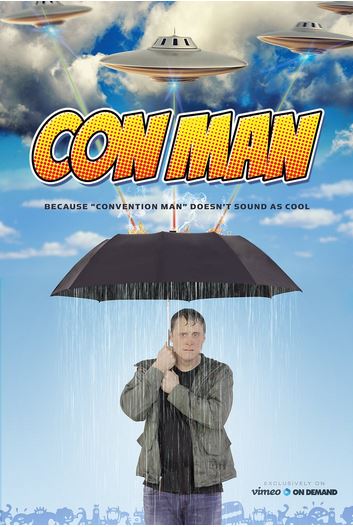
Somewhat related, I’ll talk a little about Con Man. Tudyk talks about the making of this 2015-2017 web series, which was crowd funded and cost him his agents at the time. There are 25 episodes of about 12-15 minutes each, and it’s a pure homage to sci-fi/geek fandom. There are a TON of cameos (mostly sci-fi, but Sean Astin and Lou Ferrigno have big parts, for example). It’s very much a Firefly tribute, with Tudyk and Fillion’s characters’ having starred in a short-lived cult classic called Spectrum. Season two is about a Spectrum reunion, which every Firefly fan can relate to. There’s an amusing scene where Sean Mahan (as himself) corrects Tudyk’s character: “It’s Firefly. Serenity is the movie.” And Tudyk is like “Yeah, whatever.”
Casper Van Dien keeps popping up as the bartender (in different bars), and it’s a Who’s Who of sci-fi faces. Alan’s manager, played by Mindy Sterling, is beyond insanely funny. Amy Acker, Felicia Day, Tricia Helfer – some folks are in multiple episodes.
These are short, easy to binge episodes. Tudyk is simply fantastic (he yearns to be in a Clint Eastwood Western, not this sci-fi stuff). Tudyk had a superb one-episode guest stint on Justified (no humor at all), and he references that in his character’s woes. This is a really funny show which I appreciate on multiple levels.
I’ve watched it multiple times and am still looking for cameos. I know it streams on Prime, and the Roku Channel.
OTHER PODCASTS
 I’m gonna write about two other geek podcasts (one ongoing, one dead) sometime.
The Psychologists are In is my all-time favorite podcast. It’s a dream come true. Maggie Lawson (Juliet) and Timothy Omundson (Lassiter) go through my all-time favorite show – Psych – episode by episode. Plus they do some other stuff. Partners on show, they are real life best buds, and it couldn’t come through more.
The behind-the-scenes info on Psych is priceless, and they have a slew of guests on. If a Psych fan asked for a podcast about the show, this is the best they could have hoped for. I love it.
The Friendship Onion was Lord of the Rings nerd heaven. Billy Boyd (Pippin) and Dominic Monaghan (Merry) are also real life friends who hang out together in LA. They did a video podcast which was nerd-filled fun. As a weekly feature, they had listeners suggest a food to try. They would picks something they’d never had, and record their reactions to it.
Behind-the-scenes money issues led to the show’s cancellation. Sounds like corporate shenanigans. They did well over a hundred episodes, and they really had fun. If you like the hobbits, or LoTR, you should go back and listen to the show. There’s a LOT to hear.
 Bob Byrne’s ‘A (Black) Gat in the Hand’ made its Black Gate debut in 2018 and has returned every summer since.
His ‘The Public Life of Sherlock Holmes’ column ran every Monday morning at Black Gate from March, 2014 through March, 2017. And he irregularly posts on Rex Stout’s gargantuan detective in ‘Nero Wolfe’s Brownstone.’ He is a member of the Praed Street Irregulars, and founded www.SolarPons.com (the only website dedicated to the ‘Sherlock Holmes of Praed Street’).
He organized Black Gate’s award-nominated ‘Discovering Robert E. Howard’ series, as well as the award-winning ‘Hither Came Conan’ series. Which is now part of THE Definitive guide to Conan. He also organized 2023’s ‘Talking Tolkien.’
He has contributed stories to The MX Book of New Sherlock Holmes Stories — Parts III, IV, V, VI, XXI, and XXXIII.
He has written introductions for Steeger Books, and appeared in several magazines, including Black Mask, Sherlock Holmes Mystery Magazine, The Strand Magazine, and Sherlock Magazine.
You can definitely ‘experience the Bobness’ at Jason Waltz’s ’24? in 42′ podcast.
Categories: Fantasy Books
The Translators Enriching SFF
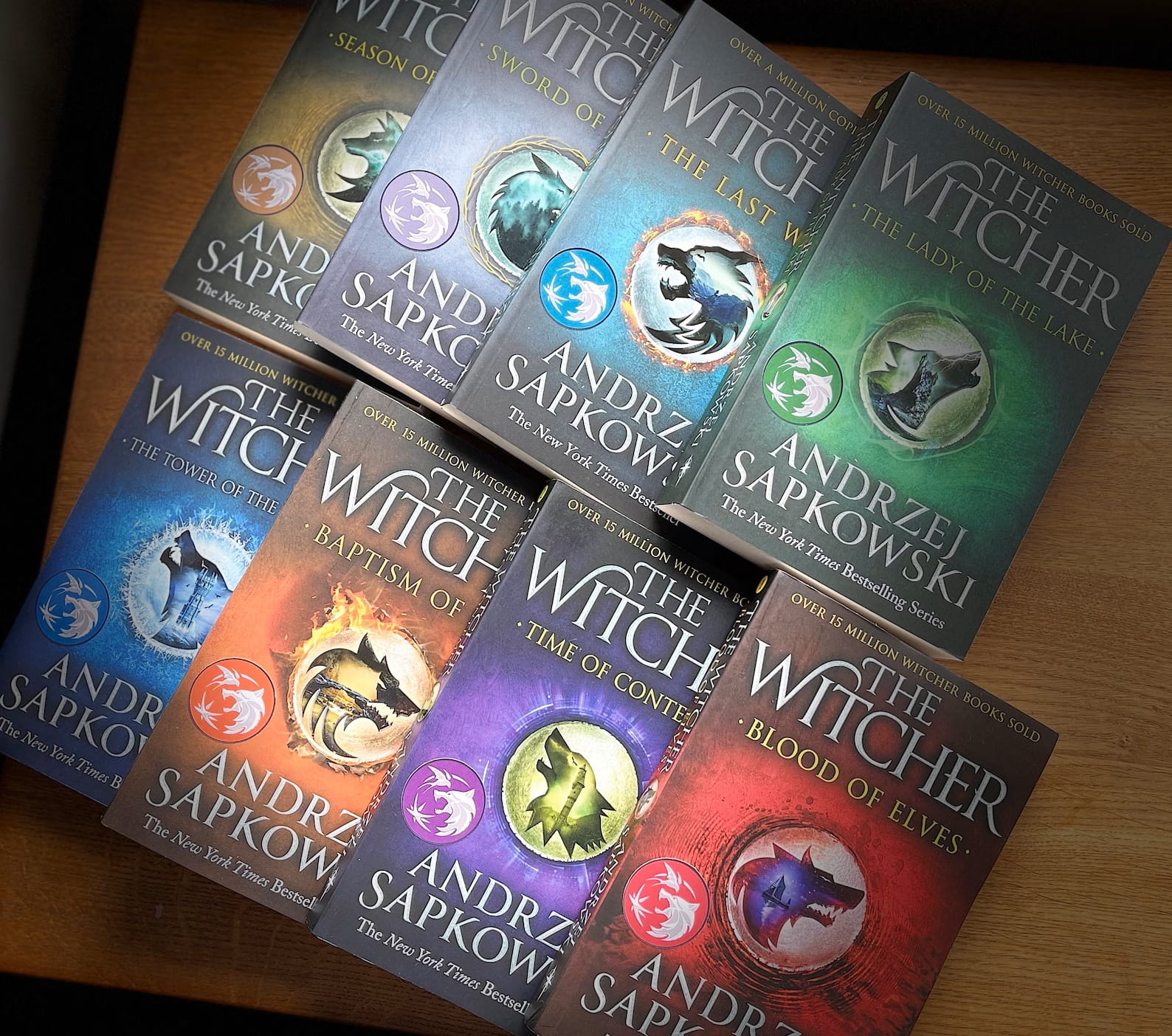 The Witcher series by Andrzej Sapkowski, translated by Danusia Stok and David French (Gollancz editions)
If there is one group of people that deserve more praise in the literary community, it’s translators. Recent years have shown us just how vital they are to our bookshelves and TBR lists. Its them we have to thank for every Roadside Picnic and Eternaut that dares to tantalize English speakers the world over.
Make no mistake, theirs is a challenging, sometimes even thankless job. The difficulty of translating an entire novel into another language should not be underestimated. Finding the right expression, the correct syntax, ensuring the lyricism of a work is properly communicated are just a few of the challenges translators face. Calling it an art of its own would be no exaggeration. And as a result of that art, we as readers, have been gifted a Smaug’s hoard of titles. Think entire subgenres, fresh visions of tomorrow, and treasure troves of inspiration. Our beloved speculative genre is so much richer thanks to the riotous rogues and deadly dames translated works have introduced us to.
Here are seven translators who have had a massive impact on the SFF community over the past two decades.
Megan McDowell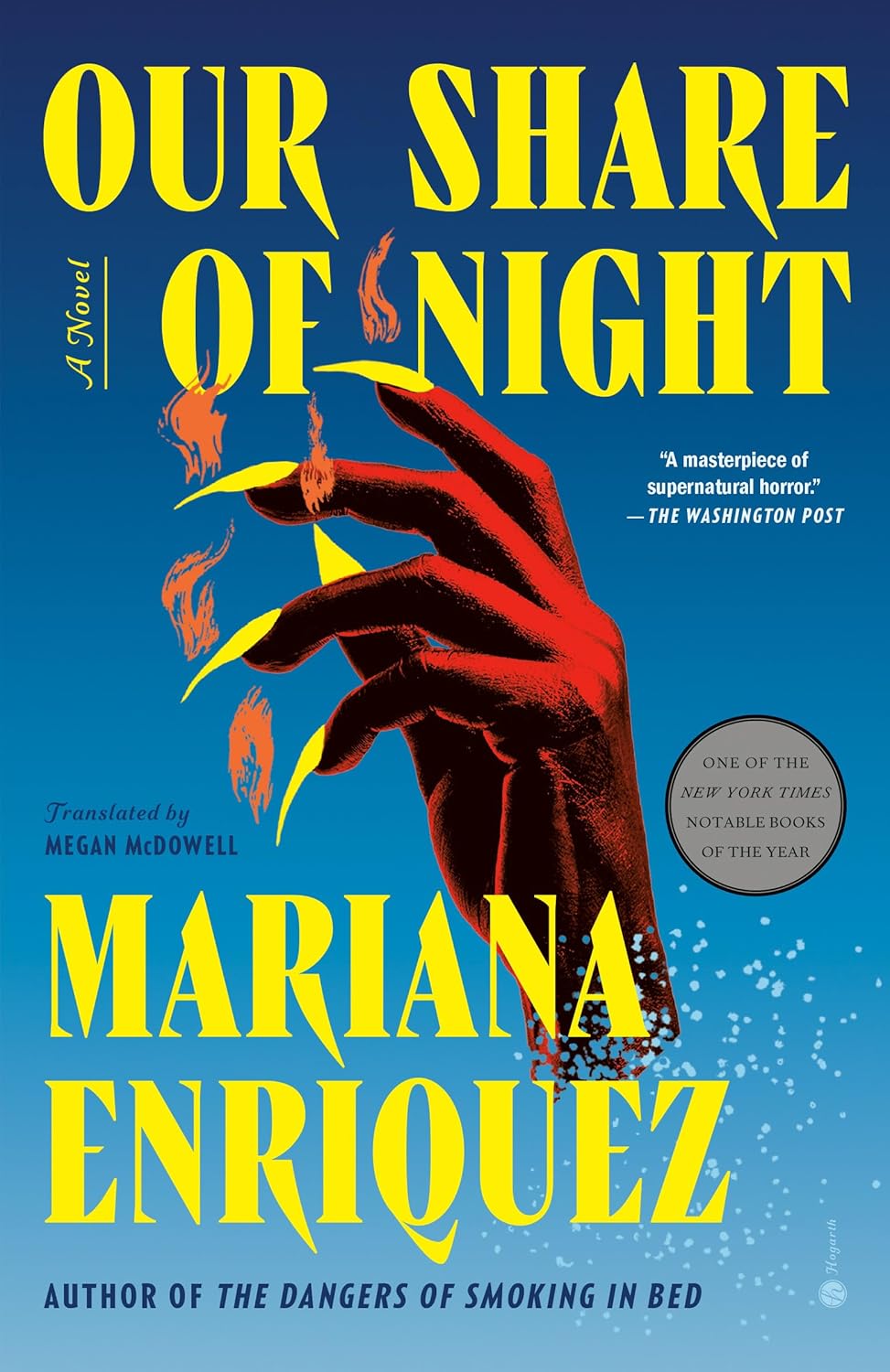
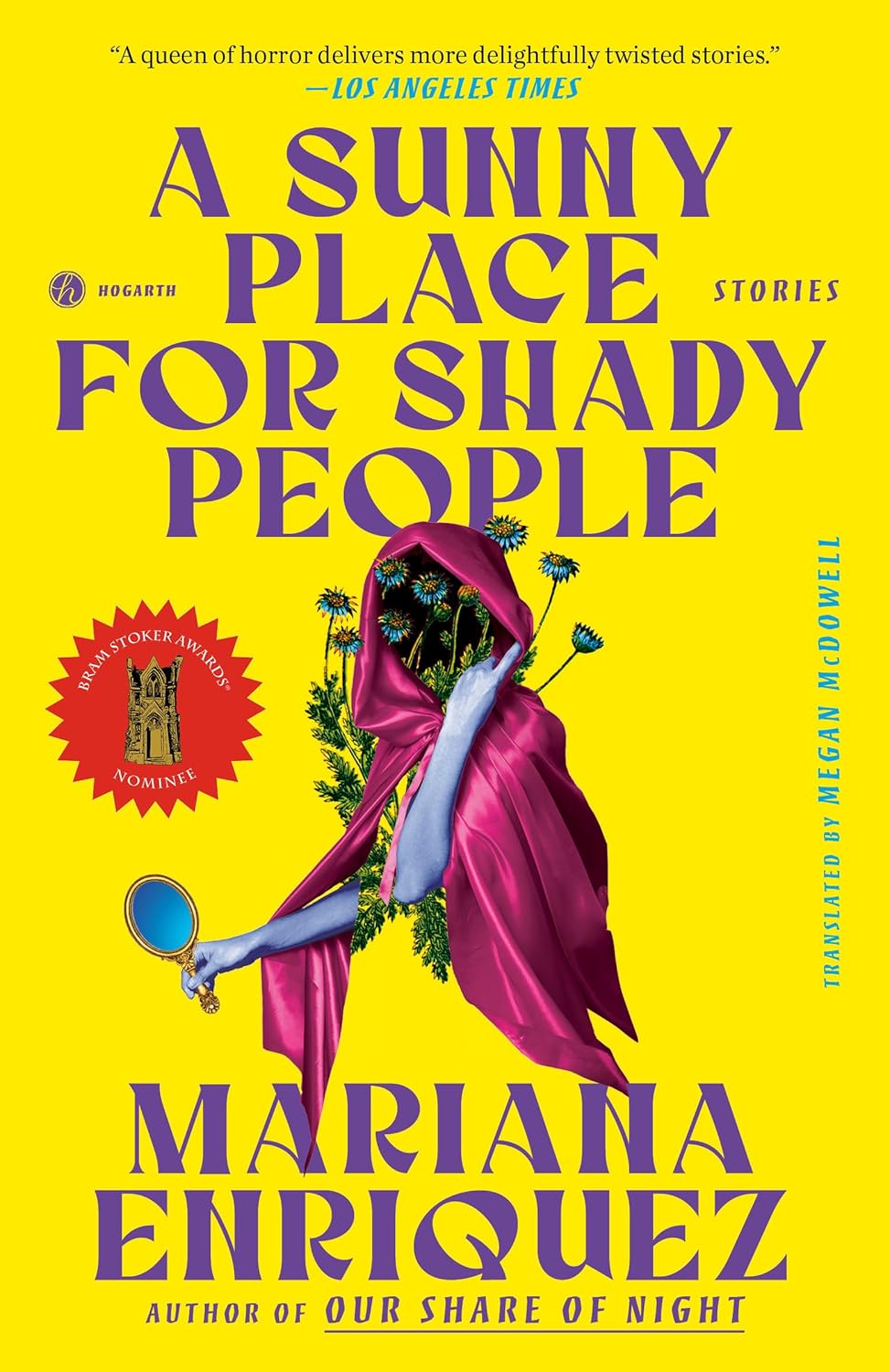
Mariana Enriquez’s work translated by Megan McDowell: the novel Our Share of Night (Hogarth,
February 7, 2023), and collection A Sunny Place for Shady People (Hogarth, September 17, 2024)
Richmond, Kentucky might seem impossibly far from the summit of Latin America’s literary world. But that’s exactly where one of the past decades most prolific translators of South American literature hails from.
Megan McDowell’s translations include long-standing collaborations with writers like Mariana Enriquez and Samanta Schweblin. It’s her work with the former where she has translated some truly remarkable speculative pieces of fiction including Our Share of Night and A Sunny Place for Shady People, which won a World Fantasy Award in 2025.
David French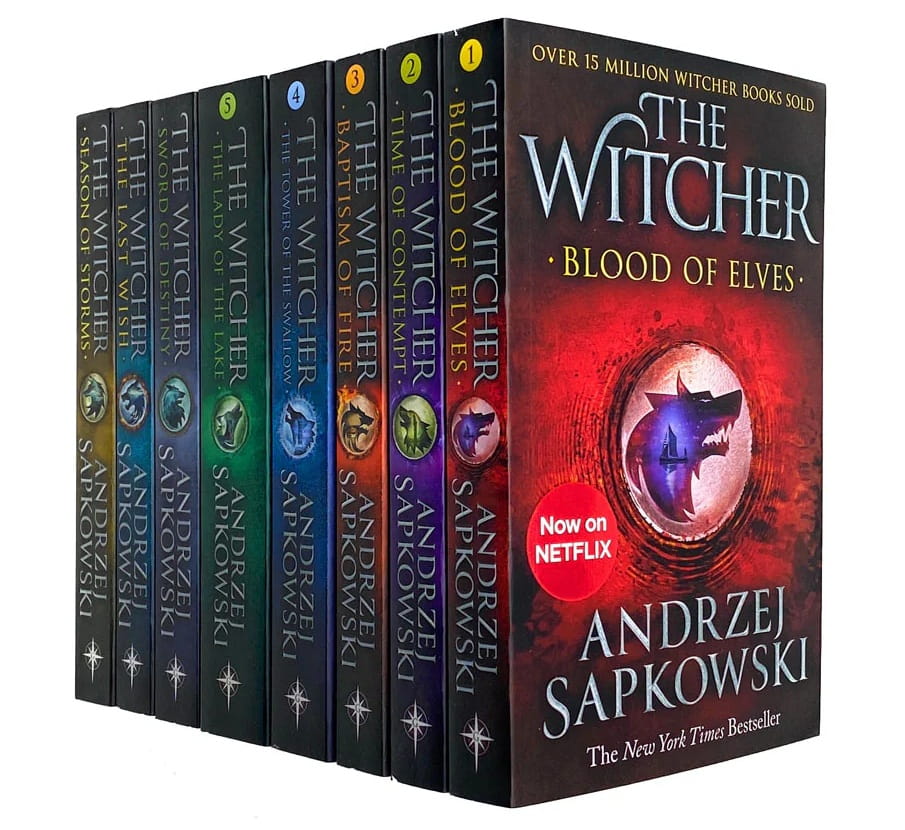 The Witcher series by Andrzej Sapkowski, translated by Danusia Stok and David French (Gollancz editions)
Few franchises of the modern era have had the staying power of The Witcher. Andrzej Sapkowski’s magnum opus has captured the imagination of millions through his much-loved books and the many games based on them. If you have read Sapkowski in English chances are you’ve seen some of David French’s work.
What has turned into a massive translation effort originally began with a young Englishman that made the fateful choice to venture beyond the Iron Curtain. That man was none other than David French. His motivation? As explained in multiple interviews, he began teaching in Poland in 1988 to learn Polish so that he could speak to his paternal aunt Marline in her native tongue.
Years of mastering the Polish language led to opportunities to work as a translator. When Witcher author Sapkowski began looking for a new translator in 2011, French leaped at the chance. He hasn’t looked back since.
To date, French has translated all but two of Sapkowski’s Witcher novels (The Last Wish and Blood of Elves being translated by the wonderful Danusia Stok) as well as the highly underrated Hussite trilogy. It is no exaggeration to say that millions of readers would not know Geralt, Sapkowski’s black humor, or the grim worlds his characters inhabit without the hard work of one man that just wanted to get closer to a loved one.
Lucia Graves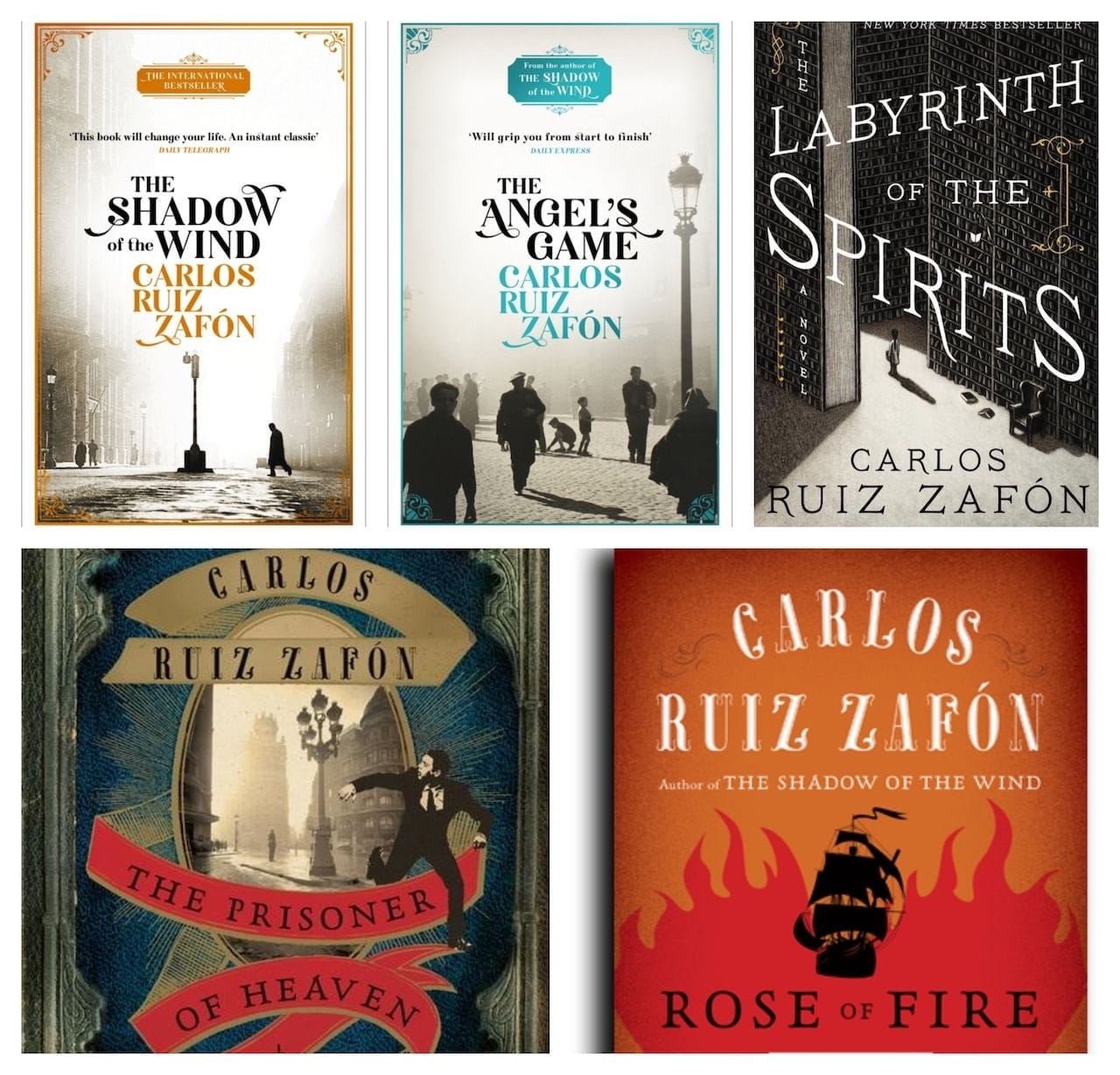 The Cemetery of Forgotten Books by Carlos Ruiz Zafón, all translated by Lucia Graves: The Shadow of the Wind, The Angel’s Game, Labyrinth of Spirits, and The Prisoner of Heaven, plus the short story “Rose of Fire.”
To understand just what makes Lucia Graves such an important translator, you first have to appreciate just how influential the late Carlos Ruiz Zafon was. Despite dying in 2020 at the age of 55, every one of the four books published during his lifetime were celebrated like special events. And every single one was translated into English by Graves.
Graves grew up in Mallorca, Spain, the daughter of legendary British author Robert Graves. According to a 1999 interview with The Independent, the younger Graves was brought up speaking English, Spanish, and Catalan. She would initially make a name for herself translating her father’s books into Spanish. While she has written many books herself, including A Woman Unknown, it is as a translator for Zafon that she is most principally known.
In 2012 she was nominated for a Science Fiction and Fantasy Translation award for her work on Midnight Palace. Since then, she also translated most of the stories in Zafon’s posthumously published book The City of Mist.
Elisabeth Jaquette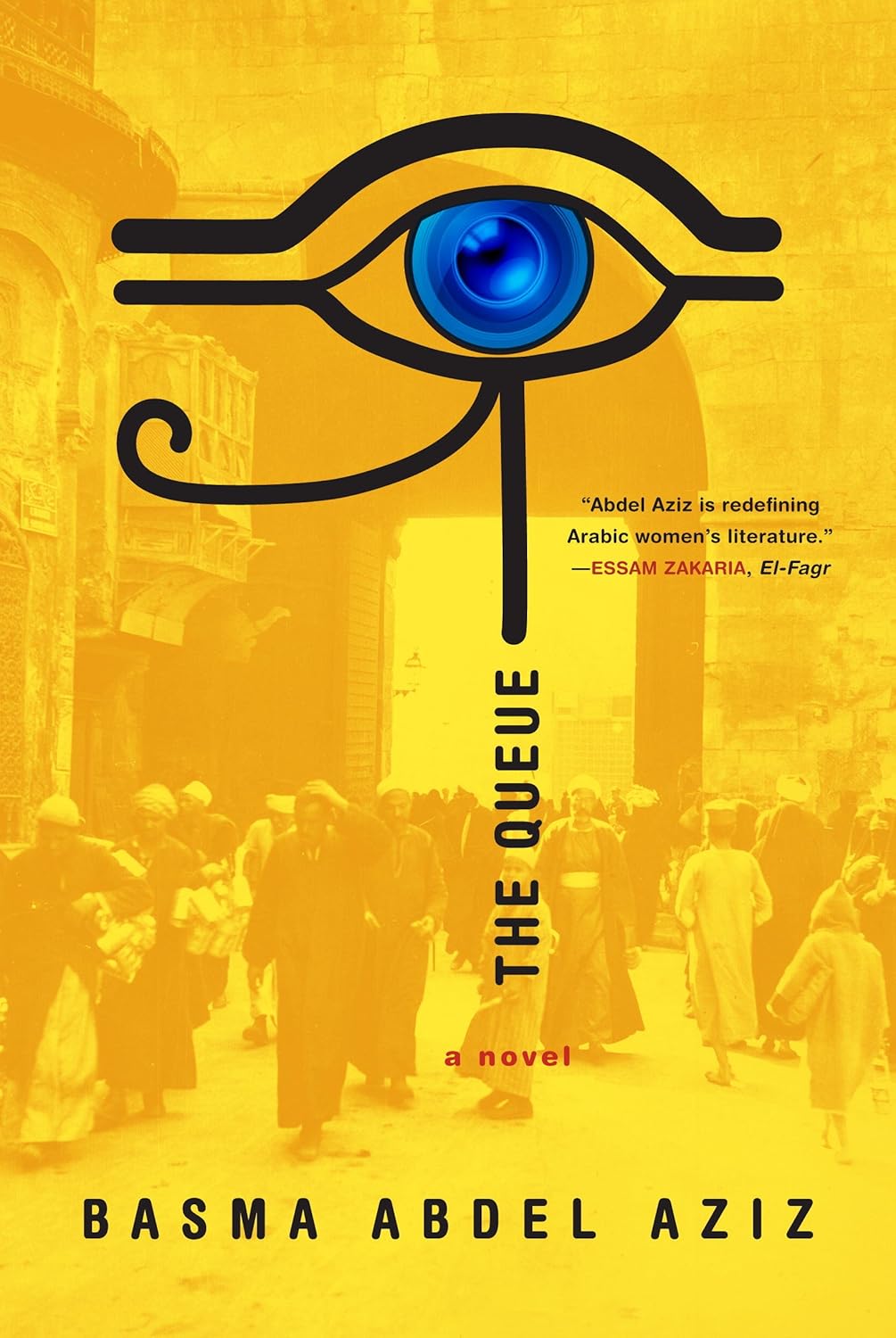
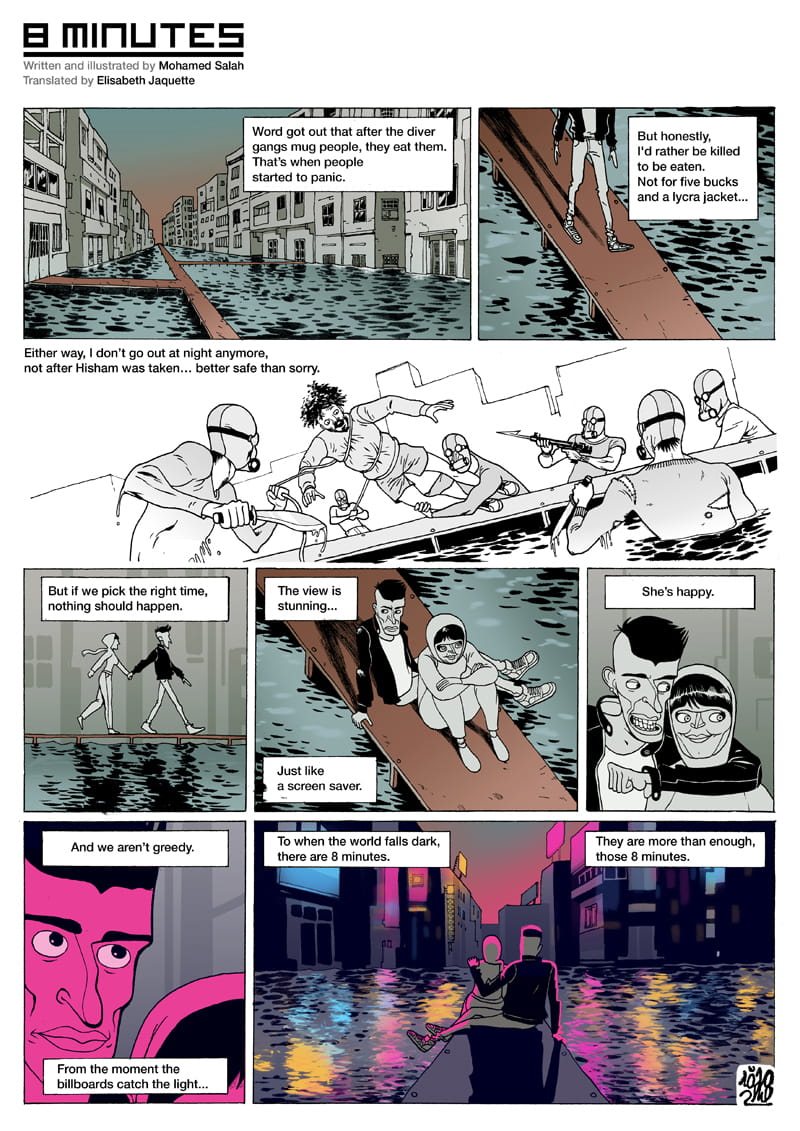
Works by Basma Abdel Aziz translated by Elisabeth Jaquette: The Queue
(Melville House, May 24, 2016, cover by Archie Ferguson), and 8 Minutes
The diversity of Elisabeth Jaquette’s oeuvre is impressive. Her Arabic to English translations span multiple genres from sci-fi to nonfiction to political thrillers. Many of her translations offer a window into the post-Arab Spring Middle East. Geographically, they have helped expose readers to authors from North Africa to Yemen.
In 2016, her translation of Basma Abdel Aziz’s dystopian novel The Queue received the English PEN Translates award. Another translation of an Abdel Aziz story was featured in The Apex Book of World Sci-Fi Vol.5. Other speculative works Jaquette has translated include the graphic comic 8 Minutes by Mohamed Salah.
Giuseppe di Martino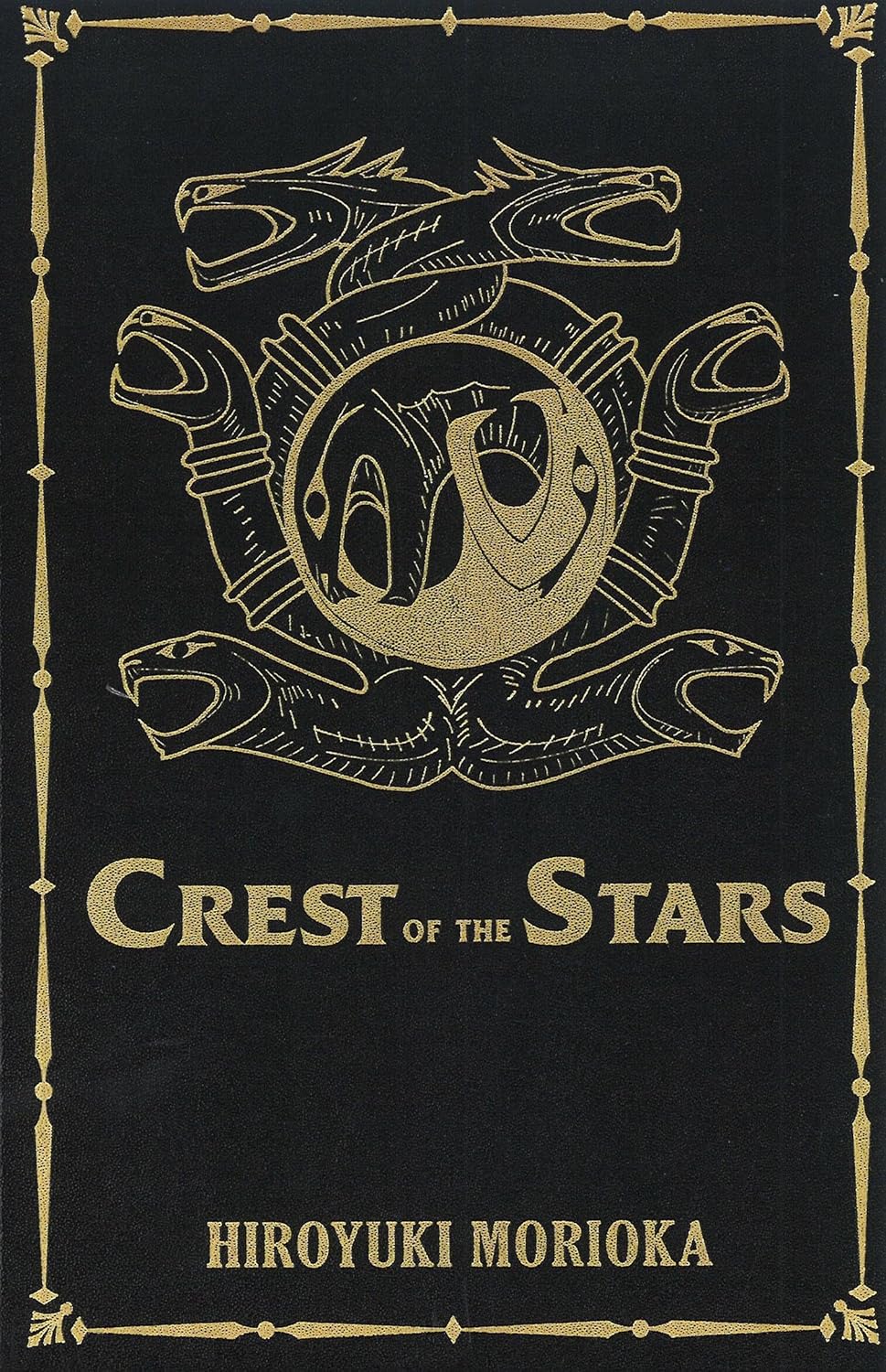
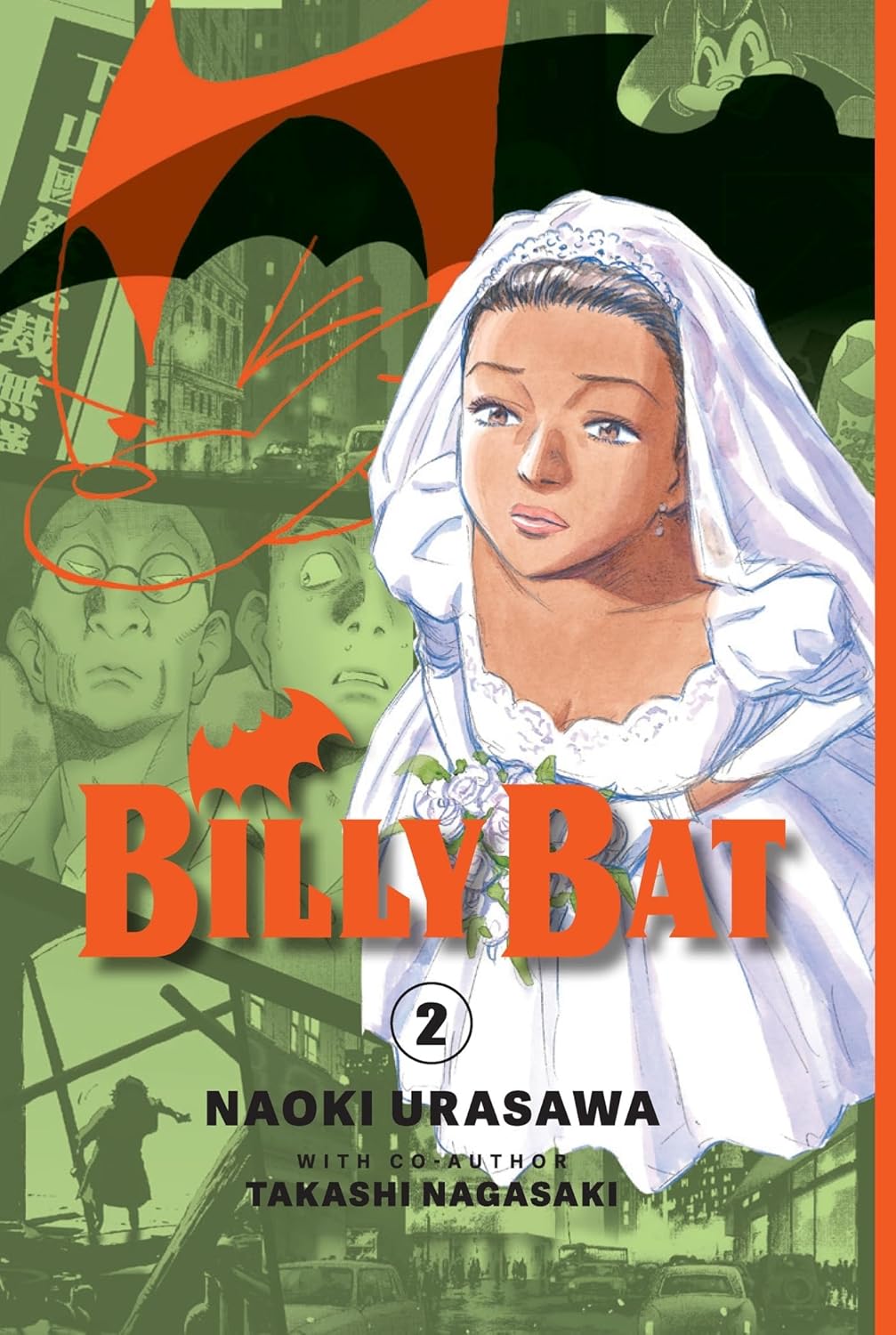
Japanese-English translations by Giuseppe di Martino: Hiroyuki Morioka’s
Crest of the Stars Volumes 1-3 Collector’s Edition (JNC, March 3, 2020), and
Naoki Urasawa and Takashi Nagasaki’s Billy Bat, Volume 2 (Kana, September 1, 2026)
The number of great Japanese-English translators of fiction is so vast, we could spend hours talking about the individuals feeding the world’s hunger for light-novels, short stories, and manga. You have folks like Yuki Tejima (translator of Mizuki Tsujimura’s Lost Souls series), Ajani Oloye (The Deer King by Nahoko Uehashi), Alexander O. Smith (All You Need Is Kill by Hiroshi Sakurazaka) and so many others.
But in terms of speculative novels, Giuseppe di Martino is definitely among the best. He’s translated several of Hiroyuki Morioka’s space operas, such as Crest of the Stars, as well as numerous light-novels. For the more manga-inclined, di Martino is the translator of one of the year’s most hotly anticipated titles, namely volumes two and three of Naoki Urasawa’s Billy Bat.
Anton Hur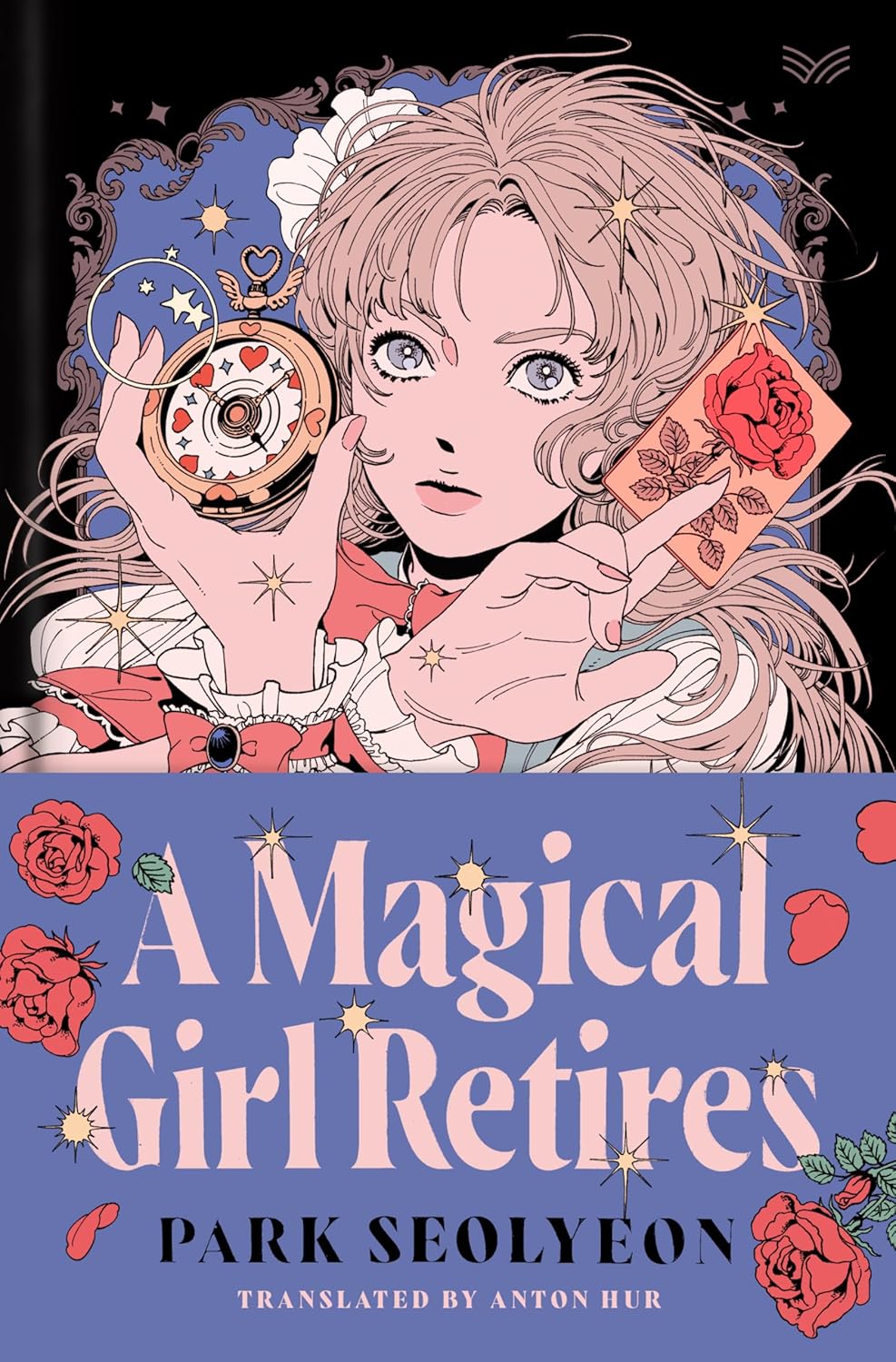

Translations by Anton Hur: Park Seolyeon’s A Magical Girl Retires (HarperVia, April 30,
2024), and Sang Young Park’s Love in the Big City (Grove Press, November 16, 2021)
South Korea has long been a heavyweight in the world of literature and when it comes to the speculative genre, Anton Hur has had a hand in translating some of the nation’s best into English. The Stockholm-born author’s CV reads almost like a ‘Who’s Who’ of South Korea’s most acclaimed works including major prize darlings like Bora Chung’s Cursed Bunny, Park Seolyeon’s A Magical Girl Retires, and Sang Young Park’s Love in the Big City.
This year we’ll have a chance to read perhaps his most ambitious translation yet when The Bird That Drinks Tears is released on June 2. As the first of four books in one of Korea’s wildly popular The Heart of the Nhaga series, don’t be surprised if the novel and Hur enjoy Witcher-levels of success.
Ken Liu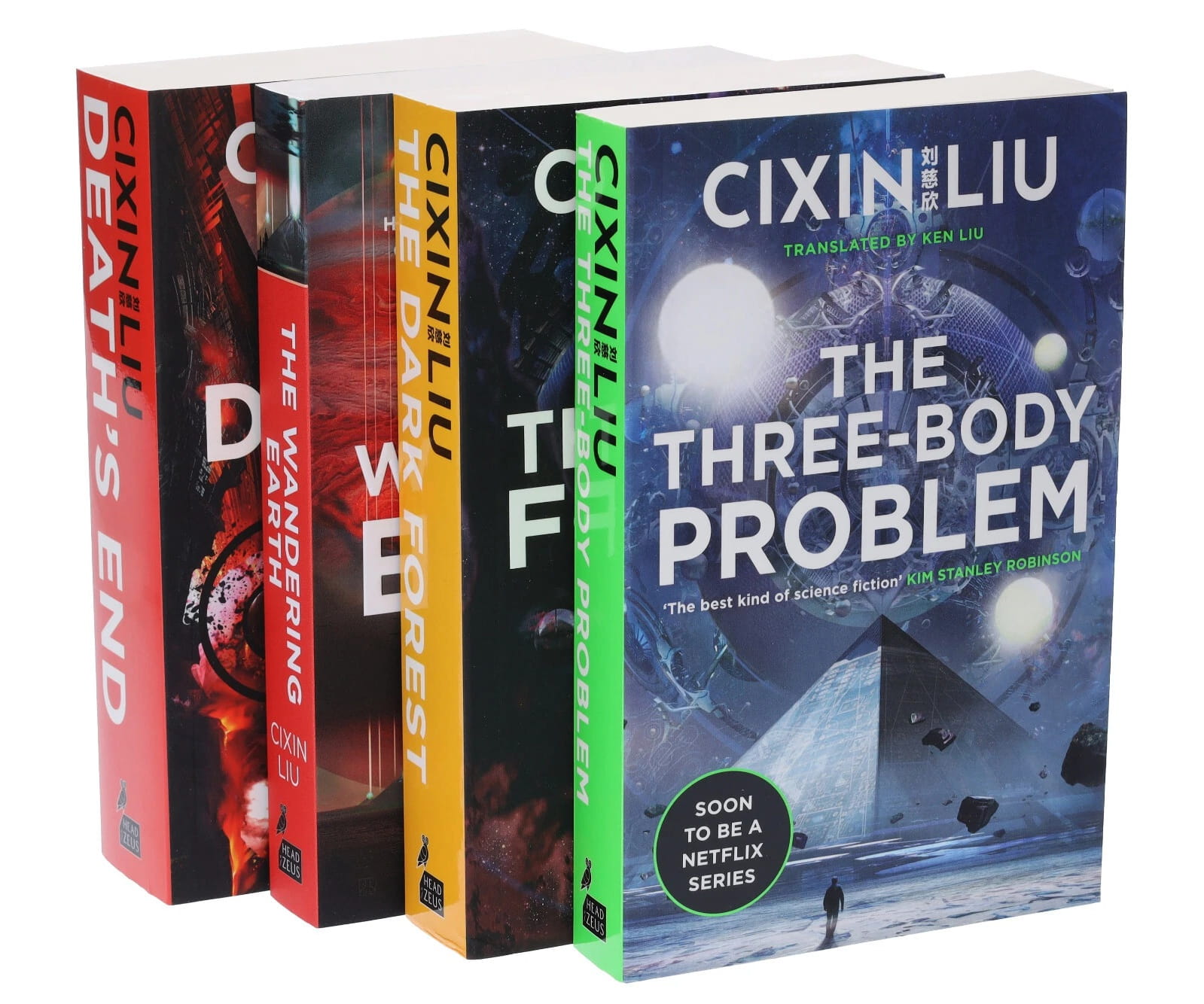 Cixin Liu’s The Three-Body Problem, translated by Ken Liu and Joel Martinsen: The Three-Body Problem, The Dark Forest, Death’s End, and The Redemption of Time (Head of Zeus Press UK editions, 2015-2017)
The author of The Grace of Kings wears many hats. His work to bring greater attention to contemporary Chinese sci-fi has been tremendous, include editing the massive anthologies Broken Stars and Invisible Planets. But most importantly for this list are the large number of translations he has done.
Fiction translated by Liu has appeared in Clarkesworld, The Best Science Fiction of the Year series, SQ Mag, Lightspeed, and Galaxy’s Edge. Some of the finest science fiction authors in China have trusted them with their work, a longlist that includes Chen Qiufan, Xia Jia, and Bao Shu.
It is as the translator of Cixin Liu’s work, however, that Ken Liu is best known. He translated the first, third, and fourth books in the best-selling Three-Body Problem series. Other efforts to bring Cixin Liu’s work to English-speaking audiences include translations of short stories such as The Weight of Memories.
What’s your favorite translated sci-fi work? Let us know in the comments below!
Ismail D. Soldan’s last article for Black Gate was Sci-Fi Dystopias We Should Learn From. He is an author, journalist, and poet. His work has previously appeared in Illustrated Worlds, LatineLit, and The Acentos Review among other publications. A proud explorer of both real and imagined worlds, some of his latest published work include The Right Kind of Royalty (on swordsandsorcerymagazine.com) and Heavenfall (in JR Handley Presents: Contested Landing Volume 2).
Categories: Fantasy Books
Tom’s Crossing by Mark Z. Danielewski: A Really Big Book
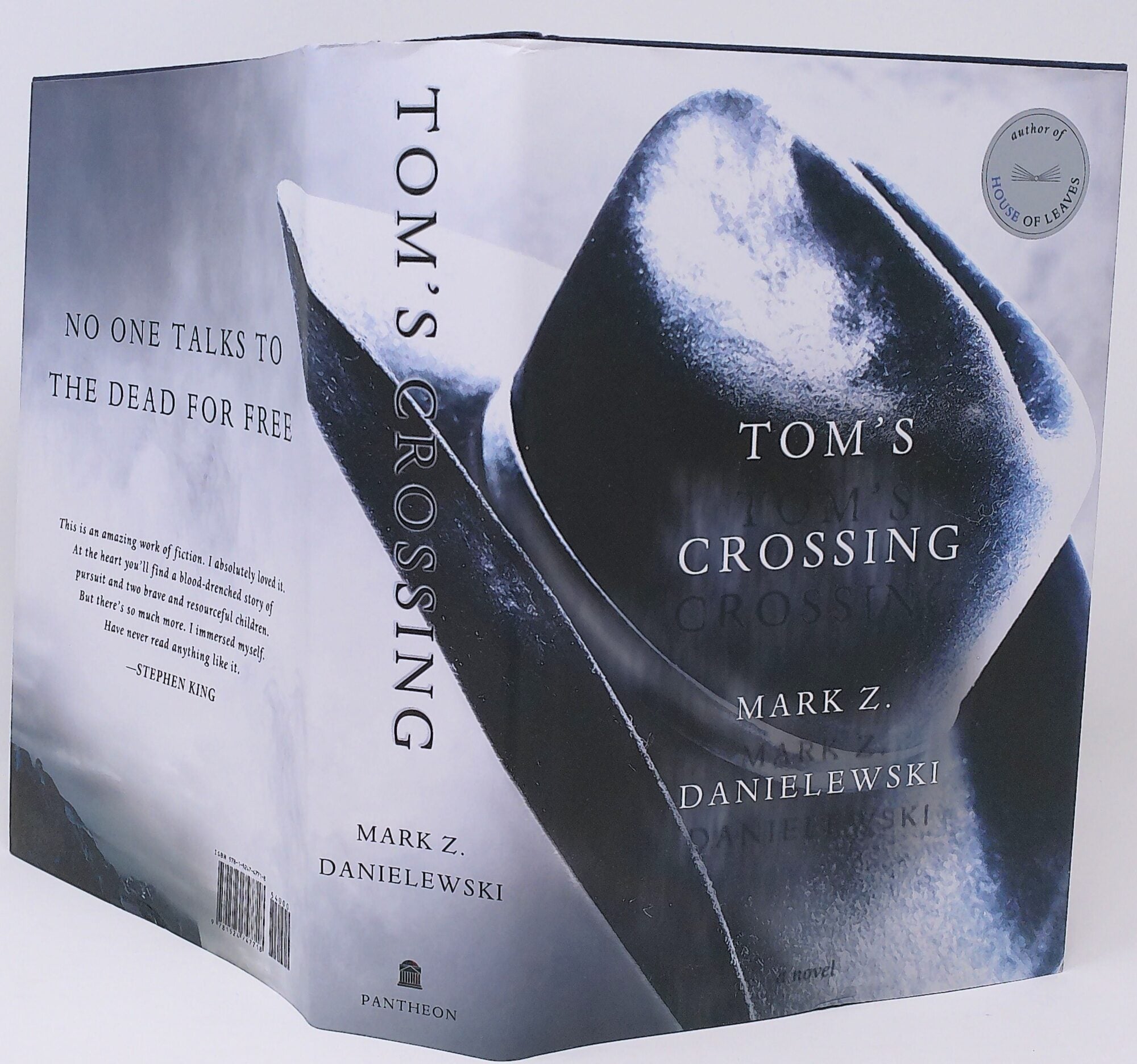
Tom’s Crossing (Pantheon, October 28, 2025)
Every now and then I reach for a copy of Anna Karenina on my TBR bookshelf, but hesitate to wonder, “Do I really have time to get into this kind of heavy reading of some 800 plus pages right now?” So far, the answer has been, “No.” I really do intend to get to it at some point because, well, it’s Anna Karenina. Just not quite now.
Why then, did I pick up the 1,227 page opus by Mark Z. Danielewski, Tom’s Crossing?
Mainly because of the one and only blurb on the book jacket:
This is an amazing work of fiction. I absolutely loved it. At the heart you’ll find a blood drenched story of pursuit and two brave and resourceful children. But there’s so much more. I immersed myself in. Have never ready anything like it.
So, despite what we know about glad-handing you-blurb-my-book and I’ll blurb yours endorsements, this is the only blurb on a book by an author with a low profile and cult status, and the if it’s genuinely that great a read for Stephen King, it’s certainly good enough for me. (And, besides, I was going on a long trip where it made as much sense to take one big book rather than several. Sorry Tolstoy.)
So who is Tom and what is he crossing?
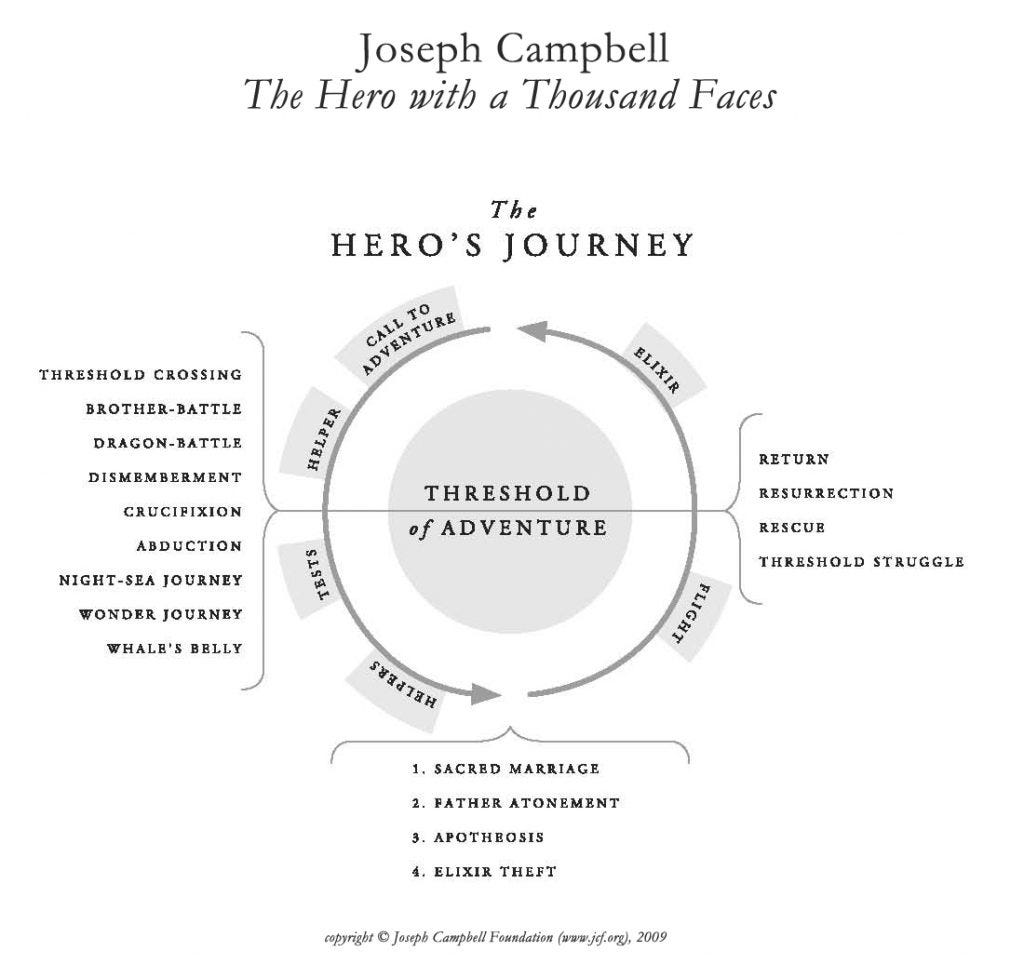
Tom is a Gatestone, a family that has a generational McCoy-Hatfield feud with the Porches. The story takes place in 1982 in Orvop (an anagram for Provo), Utah and neighboring Orem (i.e., Rome) amidst the mountains of Mt. Katanogos (Timpanagos) in the Isatch (Wasatch). Why the need for a slightly alternative universe? Possibly to convey a heightened sense of the mythological. Add to this a mild dissection of the Church of Latter-Day Saints and some Native American folklore, but, most essentially, references to Homer’s Odyssey. For, indeed, this is a hero’s trails and tribulations quest in the classic Joseph Campbell sense.
The crossing refers both to a treacherous mountain expedition to fulfill an oath as well as the transition from life to death — indeed, the eponymous Tom dies by page 37:
Tom always said he was gonna die young. The way he described it, with a glee his mother abhorred, he’d be hung up on some mighty bull, hand caught in the ropes tied by his own division, swung this way, that way, until he was broken, scraped off, gored, ground down, and finally stamped into an icy black dream, and in front of thousands too, maybe even on television, Gone like that and not even twenty-seven.
Gored by cancer rather than a bull, Tom is not entirely gone. Only his physical presence. Tom becomes a spiritual guide from the grave, albeit not all-seeing, a ghost to escort travelers to safety, even while sometimes unsure of how to get there. (So while not strictly speaking a fantasy, the ghostly presence and narrative foreboding of horrors to come — “Hard to figure how so much awful horror could have started out” is the opening line — I think qualifies it as Black Gate adjacent. Plus if Stephen King likes it, Black Gate readers should.)
On his deathbed, Tom extracts a promise from his friend Kalin March, like Tom a natural equestrian, to rescue a pair of horses set for slaughter and take them across the mountains to the safety of “the Crossin.” (The omniscient narrator, possesses a sophisticated command of English mixed with hick slang and spellings, such as dropping the “g” in “ing” ending words; somewhere toward the last 100 pages or so you’ll begin to guess who the narrator is, though how the narrator knows as much about events to which they are not present only becomes evident at the end. Note that the title page identifies the “author” as E.L.M. and to an anonymous transcription.) This request reflects how Tom had earlier rescued Kalin from a bullying attack, and that “aside from Tom, no one else welcomed him into their fold.”
Kalin is the true outsider, neither Gaestone nor Porch, the archetypical, if even a teenaged one, Western hero (the novel’s subtitle is “A Western”). Kalin is also the naive protagonist in the tradition of Huckleberry Finn, eager to do the right thing despite societal pressures to do otherwise. Indeed, Tom’s indefatigable good humor is somewhat reminiscent of the mischievous Tom Sawyer.
Tom is Kalin’s literal spiritual guide from the grave, though not all-seeing, a ghost that helps escort Katlin and the horses across the mountains to “the Crossin,” even while sometimes unsure of how to get there. (So while not strictly speaking a fantasy, the ghostly presence and narrative foreboding of horrors to come — “Hard to figure how so much awful horror could have started out” is the opening line — I think qualifies it as Black Gate adjacent.)
Navigating steep mountainous terrain during winter is a challenging enough pursuit, but further complicating matters for Katlin is the unwanted addition to the treacherous journey of Tom’s sister, Landry, who serves simultaneously as sidekick, cheerleader, adolescent crush, and, ultimately, redeemer. A rescue mission of another kind is also underway by the respective mothers of the two adolescents, who bond despite their different religious views and that Katlin is (falsely) accused of a murder and the kidnapping of Landry.
It wouldn’t be a Western without the bad guys, of which there are more than a few. The patriarch Old Porch, whose set-to-be-butchered ponies Kalin has “stolen” (it can’t get any more of a Western story than a horse rustling), in a fit of rage commits a murder he attempts to blames on Kalin. Old Porch and his for the most part equally no-good sons set out to follow Katlin, Landry and the horses ostensibly to gain vengeance and return of their property, though actually to cover up their father’s crime.
Further adding to the tales’ fabulism are constant references, sometimes including extensive description of their often unpleasant demises, to various local folks who’ve painted or sketched depictions of key events during these escapades. For example:
Both Marsha Taylor, a baker, and Lou Keele, a florist, would in 1985 admirably render this moment on thick sheets of cotton paper, watercolors for Marsha, colored pencil for Lou…
These works of arts at some point go on display, are destroyed in a fire, and somehow resurrected as part of a memorial art show. There are also re-enactment ceremonies of the Crossing events among the “many commentators”:
Not entirely on their own in the creative retellins, rants, iterative speculations, and musins regardin the events that transpired in and around the Isatch Canyon and Katanogos massif that late October in 1982.
These “musins”serve as a sort of Greek chorus, lamenting how fate dictates bad outcomes that could have been avoided, if only if:
Kay Shroeppel would many years hence, and in an empty theater in Helsinki, in 2028 in fact, declare to her friend Gaylene Zobell, who was just then visitin from Belgrade, Serbia… that if only Old Porch had embraced his thespian inclinations, he might’ve lived a more fulfillin life.
And because this is a Western, there is a stolen gun of seeming worth. And in keeping with Chekov, since there is a gun, it eventually goes off.
How the narrator somehow knows all these things and the way they are conveyed may prove annoying to some readers. And given that this is the proverbial doorstep of a book, these readers might be inclined to abandon the journey.
That would be their loss. Like another not always easy-to-read novel, Moby Dick, the hunt must be seen to its conclusion. As any worthy journey must.
David Soyka is one of the founding bloggers at Black Gate. He’s written over 200 articles for us since 2008. See them all here.
Categories: Fantasy Books
Forgotten Authors: S.P. Meek
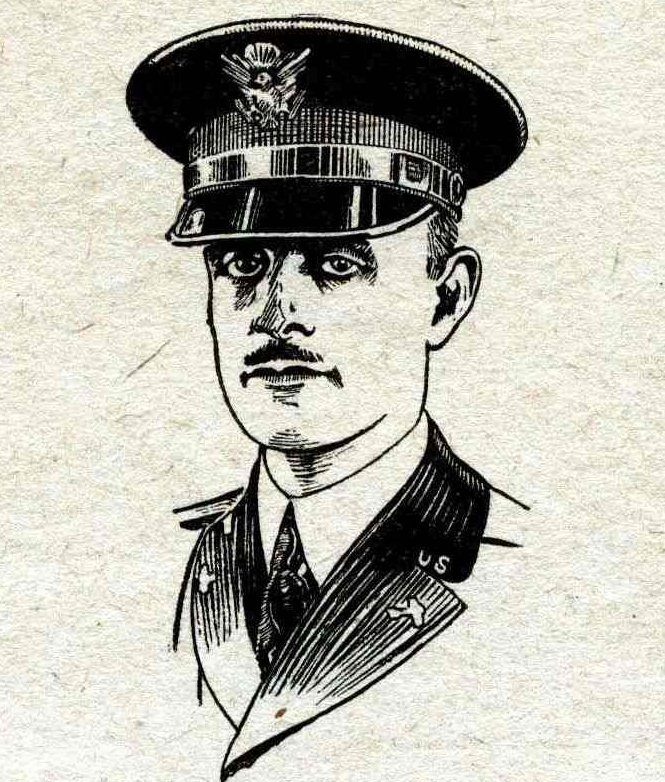 S.P. Meek
Sterner St. Paul Meek was born in Chicago, Illinois on April 8, 1894. He earned as associate of science degree from the University of Chicago in 1914 and continued his education at the University of Alabama, becoming a member of Phi Beta Kappa and earned a bachelor of science in metallurgical engineering. In 1916, he transferred to the University of Wisconsin, but joined the army in 1917. Although he attended the Massachusetts Institute of Technology between 1921 and 1923, he remained in the army for his entire career.
While attending college, he also served as a football coach at Kirkley Junior College in Texas, as a chemist for the Western Electric Company, and at Deuvitt Laboratories, all of which went by the wayside when he joined the military. Originally stationed in the Philippines, he would go on the direct small arms ammunition research from 1923 to 1926, serve as the chief publications officer for the Ordnance Department from 1941-1944. He retired from the military in 1947 due to disability. He holds patents for tracer ammunition.
Meek married Edna Burnadge Nobel in 1927 and the couple had one son.
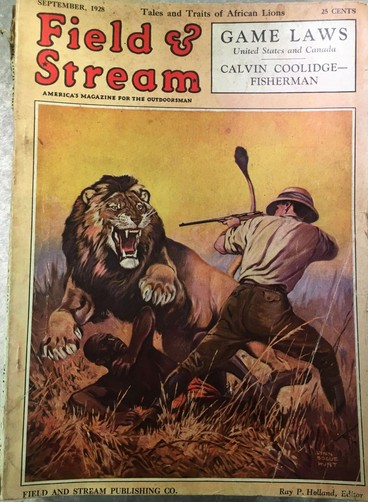 September 1928 Field and Stream
Meek’s first story, “Taming Poachers” to Field and Stream of all places, and it appeared in the September 1928 issue. His first story of genre interest, “The Murgatroyd Experiment,” was published in the Winter 1929 issue of Amazing Stories Quarterly and dealt with the issue of overpopulation in the year 2060. Given that Meek often used his rank as part of his byline, it isn’t surprising that he also wrote about the future of warfare, with “The Red Peril” and “The Last War” exploring germ warfare between the Soviet Union and the United States.
Many of his stories published between 1930 and 1932focused on Doctor Bird and the Bureau of Standards. Although Meek wrote fifteen stories in the series, only eleven were included in the 2010 collection The Astounding Adventures of Dr. Bird.
Meek wrote mostly at short length, although two of his works, were serialized novels. The Drums of Tapajos appeared in Amazing Stories between November 1930 and January 1931, and its sequel, Troyana, was published in Amazing Stories from February through April 1932. These novels were a lost race series set in Brazil.
During his lifetime, there was only one collection of Meek’s stories, The Monkeys Have No Tails in Zamboanga, which included fourteen of his humorous stories and was published in 1934. Two other stories were published in Arctic Bride in 1944, which only ran to 36 pages.
In addition to his science fiction, Meek published a series of animal books for children, beginning with Jerry: The Adventures of an Army Dog. He published about twenty books along those lines by 1956, including Midnight: A Cow Pony, Surfman: Adventures of a Coast Guard Dog, and Pierre of the Big Top: The Story of a Circus Poodle. He also published the nonfiction So, You’re Going to Get a Puppy in 1947.
Readers could follow Meek’s advancement through the army. From 1929 through the start of World War II, his byline indicated he was Captain S.P. Meek. After the war his byline changes to indicate he had obtained the rank of Major, and by the 1960s, he was Colonel S.P. Meek.
According to Julius Schwartz and Mort Weisinger, writing in 1933, some of Meek’s stories were revised and polished by Laurence D’Orsay, a professional literary critic, who died in 1947. D’Orsay also ran a literary agency and in the mid-1930s, he employed Henry Kuttner. A writing course D’Orsay ran helped spur Leigh Brackett’s writing career. In Silent Interviews: On Language, Race, Sex, Science Fiction, and Some Comics, Samuel R. Delany used Meek’s writing as an example of writers who were “unbelievably bad,” comparing him to other authors like Stanley G. Weinbaum who was “extraordinarily fine” and Edward E. Smith who “while bad, still had something going.”
Meek died on June 10, 1972 in Palm Beach, Florida.
 Steven H Silver is a twenty-one-time Hugo Award nominee and was the publisher of the Hugo-nominated fanzine Argentus as well as the editor and publisher of ISFiC Press for eight years. He has also edited books for DAW, NESFA Press, and ZNB. His most recent anthology is Alternate Peace and his novel After Hastings was published in 2020. Steven has chaired the first Midwest Construction, Windycon three times, and the SFWA Nebula Conference numerous times. He was programming chair for Chicon 2000 and Vice Chair of Chicon 7.
Categories: Fantasy Books
Dark Muse News: Sword & Sorcery Chain Story (#14-#18)
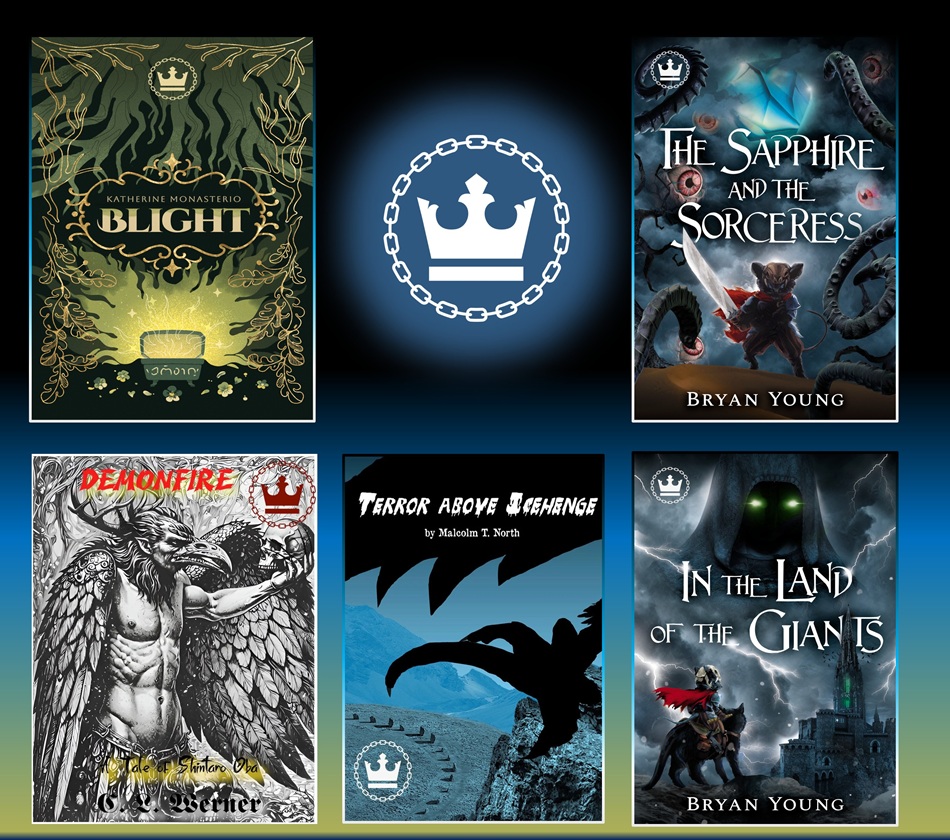
- A standalone tale
- Readable in any order
- Free to read
- Interconnected via a theme involving a Crown
- 14 Blight by Katherine Monasterio
- 15 In The Land of the Giants, by Bryan Young (second in the series via the chain!))
- 16 Demonfire: A Tale of Shintaro Oba by C. L. Werner
- 17 Terror Above Icehenge by Malcolm T. North
- 18 The Sapphire and the Sorceress by Bryan Young (third in the series via the chain!)
- The Chain Story 2 – Sword and Sorcery Entries 1-3 (Aug 2025)
- The Chain Story 2 – Sword and Sorcery – Episodes 4-8 (Oct 2025)
- The Chain Story 2 – Sword and Sorcery – Episodes 9-13 (Nov 2025)
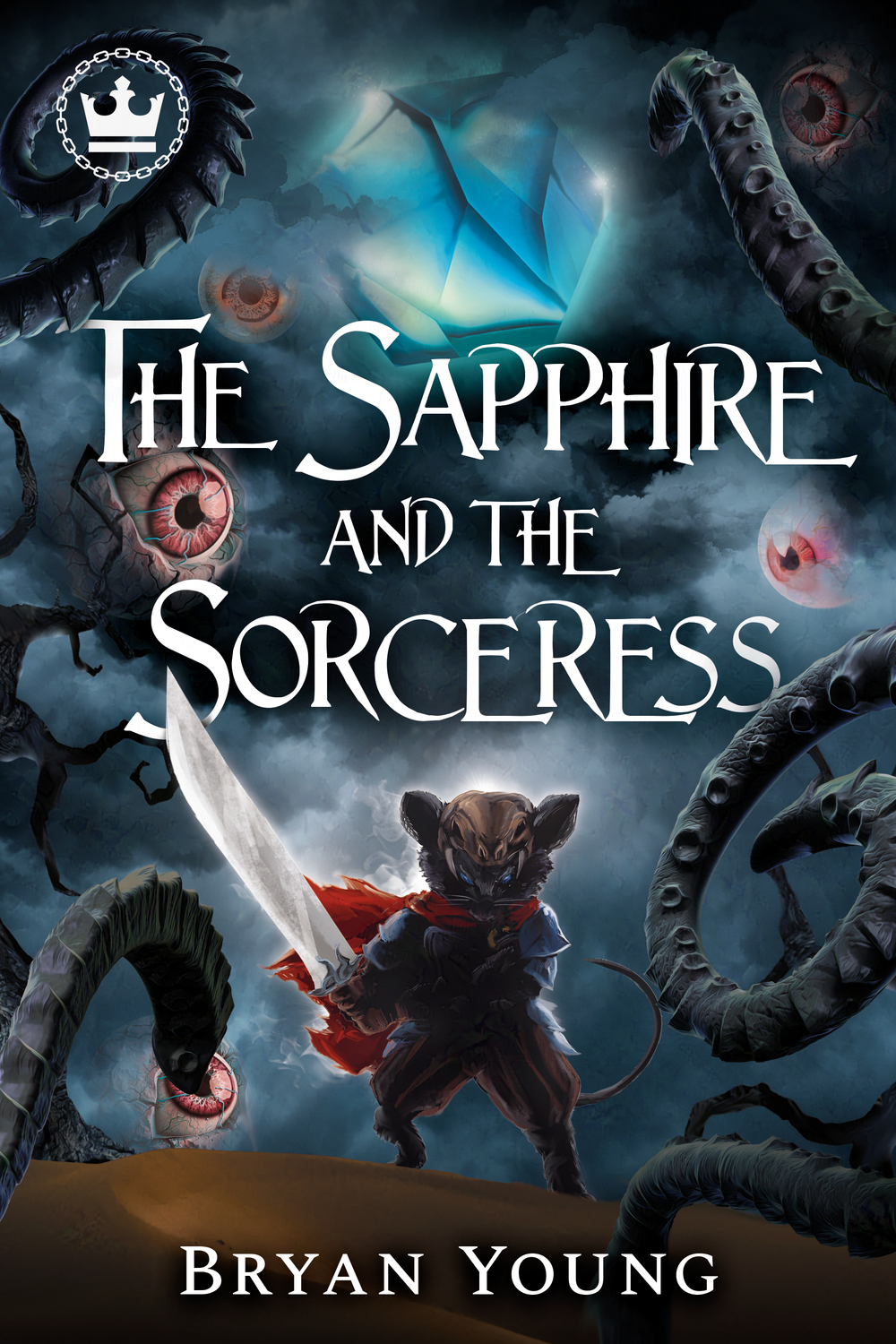
As with all good heroes, Pip does not shrink from danger and adventure. Still, there are times when it would be good to relax at home. But Pip is far from home, and is searching for a powerful sorceress who can help him on his way.
17 January 14, 2026 Terror Above Icehenge Malcolm T. NorthTo reach her, however, he’ll have to venture through the Chaos Realm and, as every true hero knows if you undertake that journey lightly, it will end quickly. But Pip has no choice, and therein our adventure begins.
16 December 31, 2025 Demonfire: A Tale of Shintaro Oba C. L. WernerA forbidden ritual conducted in secret, bathed in blood and death enables a demon to grasp unimaginable power—the power to destroy all enemies and raise himself above all others.
15 December 24, 2025 In The Land of the Giants, Bryan YoungA Samurai, whose duty calls for him to hunt down such a creature. A destiny he must pursue even as the world burns around him.
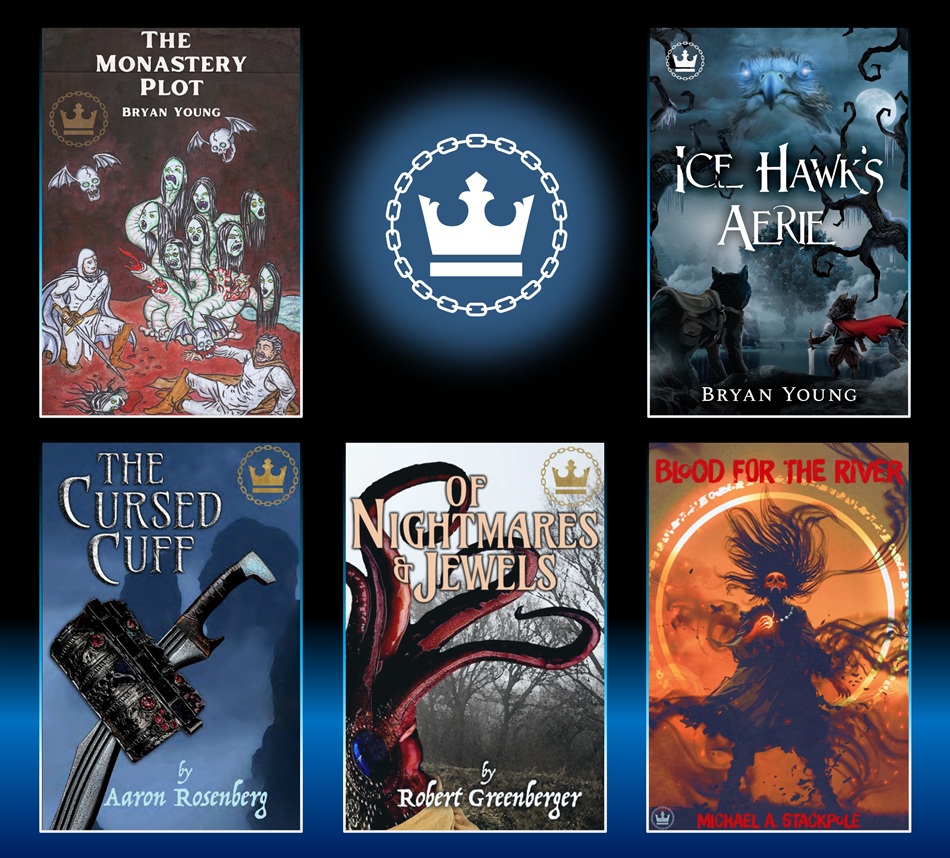
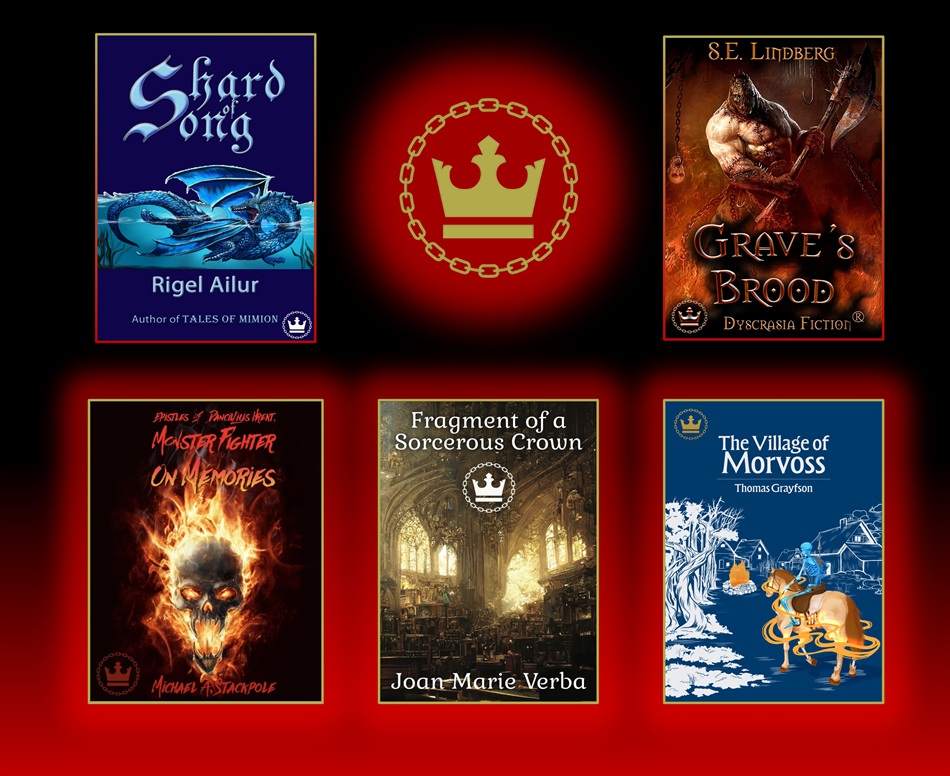
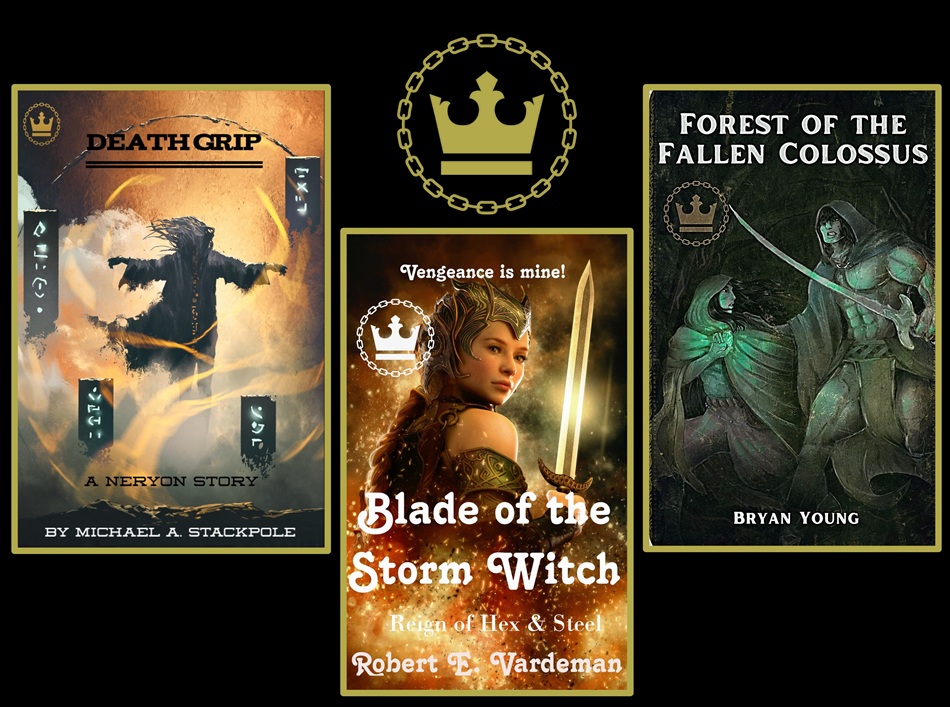
14 December 10, 2025 Blight Katherine Monasterio Forest Ranger Hazel Boncliff is a Green Speaker, a person with the magical ability to commune with plants. When the king summons Hazel and her assistant to the capital to heal the strange blight affecting his hunting grounds, she’s reluctant to help—least of all because he’s insisting his inexperienced secretary go along for the journey. But with a reward she can’t refuse and the blight’s effects more harrowing by the moment, she’ll take all the help she can get. 13 November 26, 2025 Ice Hawk’s Aerie Bryan Young A chance meeting in the dark forest. A tale of woe and injustice.Pip Strongpaw, the last of the fabled Great Catriders, must once again wield the runed-sword Feathersbane, to end the chilling menace threatening to destroy the hamlet of Riveroak. A menace of sorcerous origins against which even the bravest of heroes may not prevail. 12 November 12, 2025 Blood for the River Michael Stackpole Chased into a swamp by homicidal cultists, Kellach and Serinna encounter a fire mage who saves their lives, and then leads them on an adventure that is sure to get them killed. 11 October 14, 2025 Of Nightmares & Jewels Robert Greenberger Something drew the mage onward, always toward the northwest, through restless evenings and dark dreams of ill portent. Yet when Jareth’s traveling companion, the swordswoman Talin, asks him why, he has no idea.
And then they reached a tiny town at the edge of nowhere, wherein lurked an evil with roots sunk deep in times beyond remembering; an evil that has chosen their visit as a time to awaken. 10 October 14, 2025 The Cursed Cuff Aaron Rosenberg She came to them spinning a tale of woe. An army of undead lay siege to the Manor she called home. She had barely escaped and sough adventurers brave enough to free her people.
But to do that Birr Blackjaw and his companions would have to wrest an ancient artifact from the hands of a cult leader who had his own army, and a hellish pet none could hope to defeat. 9 October 1, 2025 The Monastery Plot Bryan Young Shield Maiden and legendary sleuth Sister Agatha, accompanied by her faithful initiate, Brother Dominguez, sought to enjoy peace and quiet at the Monastery of St. Maryam.Despite their desires, they soon find themselves investigating twin murders. Murders which become all that much more bizarre when the name Tarru-Syn turns up, and their search leads them into the very bowels of the earth, to face a foe from beyond their reality. 8 September 24, 2025 On Memories Michael Stackpole Dancillius Hrekt is fairly new to the world of Monster Fighting. All he wants to do is to make a good impression with his peers. And all they want is for him and his best friend to die. 7 September 10, 2025 The Village of Morvoss Thomas Grayfson In this new Kavion adventure, our tormented knight clings to the last threads of family and sanity as he navigates the mysterious Village of Morvoss. Haunted by fractured memories, he must confront the darkness around him—and within. 6 August 27, 2025 Fragment of a Sorcerous Crown Joan Marie Verba In this tale from the Chronicles of the Library of Sorcery, the sorcerers investigate a dangerous magical artifact of mysterious origin. Can the sorcerers uncover the truth?Sorcerer Serena is called to investigate an enormous, carnivorous plant. She finds that a mysterious magical artifact is behind the phenomenon. To find out where the artifact came from and what its properties might be, she consults the Library of Sorcery, where she uncovers the answers, but not on the Library shelves. Can the artifact be banished from the sorcerous regions before it becomes a more deathly threat? 5 August 13, 2025 Grave’s Brood S.E. Lindberg Doktor Grave sends Brood to recover a crown from the Red Orchard, only for Brood to find it is the source of a bloody plague caused by Grave’s experiments. Facing vampiric plants and their loyal clan, Brood must confront his past and question whether he can trust Grave or escape the nightmare himself. 4 July 28, 2025 Shard of Song Rigel Ailur Two wizards search desperately for a way to stave off a vicious magical-musical attack before the dragons succumb. A powerful relic ancient beyond memory calls to them, but do they dare use it? 3 July 16, 2025 Forest of the Fallen Colossus Bryan Young A dying robber hands Laila and Zaki a mysterious artifact in the middle of a fae-haunted wood. “Danger,” the robber manages before dying. Suddenly sister and brother find themselves safeguarding an unwanted gift—on the run for their lives in the Forest of the Fallen Colossus. 2 July 3, 2025 Death Grip Michael Stackpole The man hadn’t died easily.A smoking hole sat where his heart should have been. Terror twisted his features, and he clutched an emerald reeking of magick as if would somehow save him. Neryon and Magistrate-Martial Logan find themselves in a race to find the killer before he has a chance to harvest more victims. But, with the amount of power used on his first target, there was a big gulf between finding and stopping; and no guarantee he wouldn’t kill them, too. 1 July 3, 2025 Blade of the Storm Witch Robert E. Vardeman Her vengeance became elemental! The Conqueror-King’s minion murdered her pirate husband. The Lady Rennata was condemned to follow him into a watery grave—until wind and wave swept her to a magical blade that commands all of Nature.
S.E. Lindberg is a Managing Editor at Black Gate, regularly reviewing books and interviewing authors on the topic of “Beauty & Art in Weird-Fantasy Fiction.” He has taken lead roles organizing the Gen Con Writers’ Symposium (chairing it in 2023), is the lead moderator of the Goodreads Sword & Sorcery Group, and was an intern for Tales from the Magician’s Skull magazine. As for crafting stories, he has contributed eight entries across Perseid Press’s Heroes in Hell and Heroika series, and has an entry in Weirdbook Annual #3: Zombies. He independently publishes novels under the banner Dyscrasia Fiction; short stories of Dyscrasia Fiction have appeared in Whetstone Amateur S&S Magazine, Swords & Sorcery online magazine, Rogues In the House Podcast’s A Book of Blades Vol I & II, DMR’s Terra Incognita, the 9th issue of Tales From the Magician’s Skull, Savage Realms Magazine, and Michael Stackpole’s S&S Chain Story 2 Project.
Categories: Fantasy Books
Two More Sword & Sorcery Anthologies: Savage Heroes edited by Eric Pendragon, and Heroic Fantasy, edited by Gerald W. Page and Hank Reinhardt
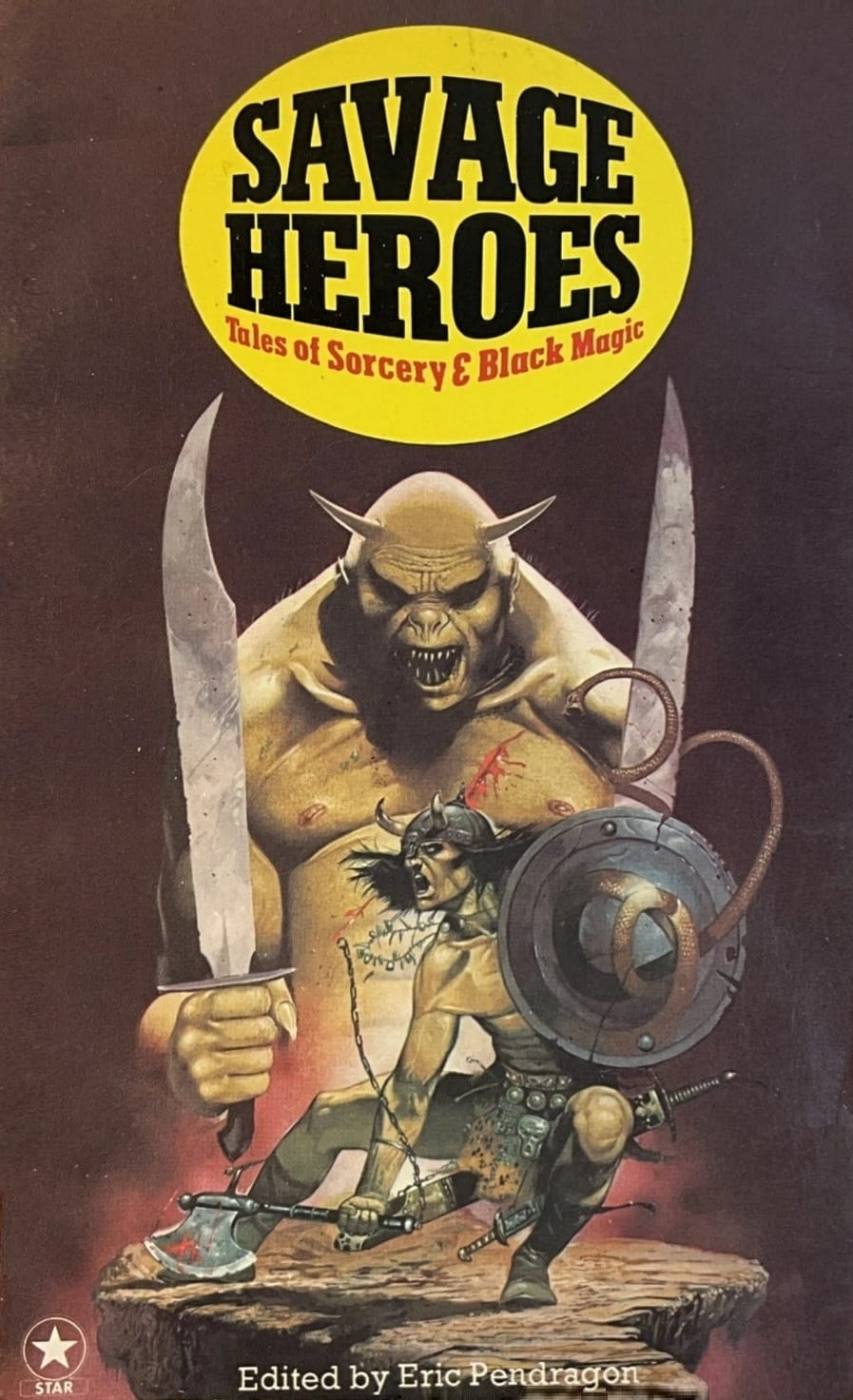
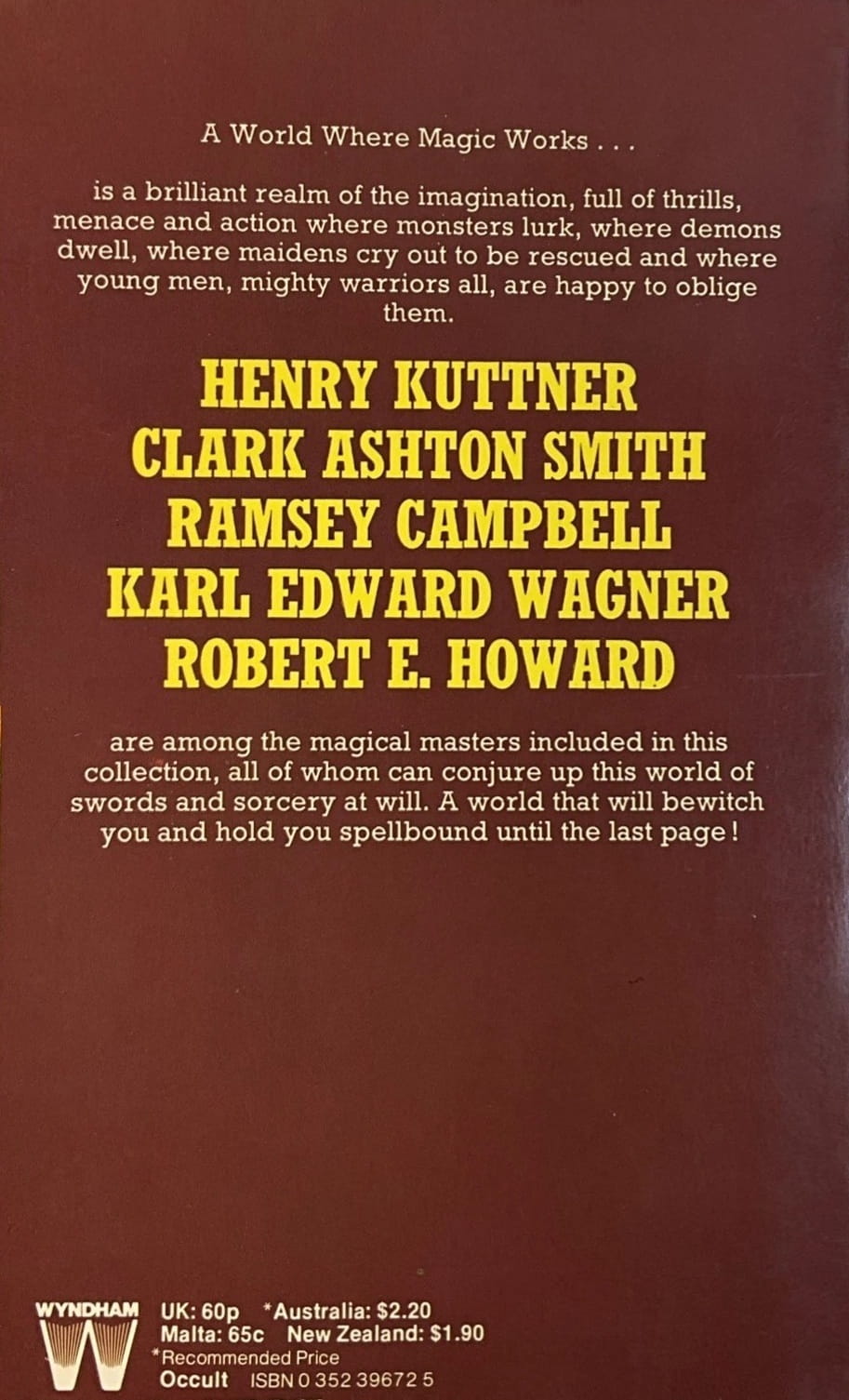
Savage Heroes (Star, February 1977). Cover by Les Edwards
A couple more Sword & Sorcery anthology reviews: first up is Savage Heroes (Subtitled Tales of Sorcery & Black Magic) (1977), from British Publisher Star, edited by Eric Pendragon and illustrated by the great Jim Pitts, who is still working today. The cover looks to have been done by Les Edwards, however.
It contains stories by C. L. Moore (Jirel), Henry Kuttner (Elak), Clark Ashton Smith, Clifford Ball, Ramsey Campbell, Daphne Castell, Karl Edward Wagner (Kane), David Drake, and Robert E. Howard. The REH tale is “The Temple of the Abomination,” a Cormac Mac Art tale.
[Click the images for savage versions.]
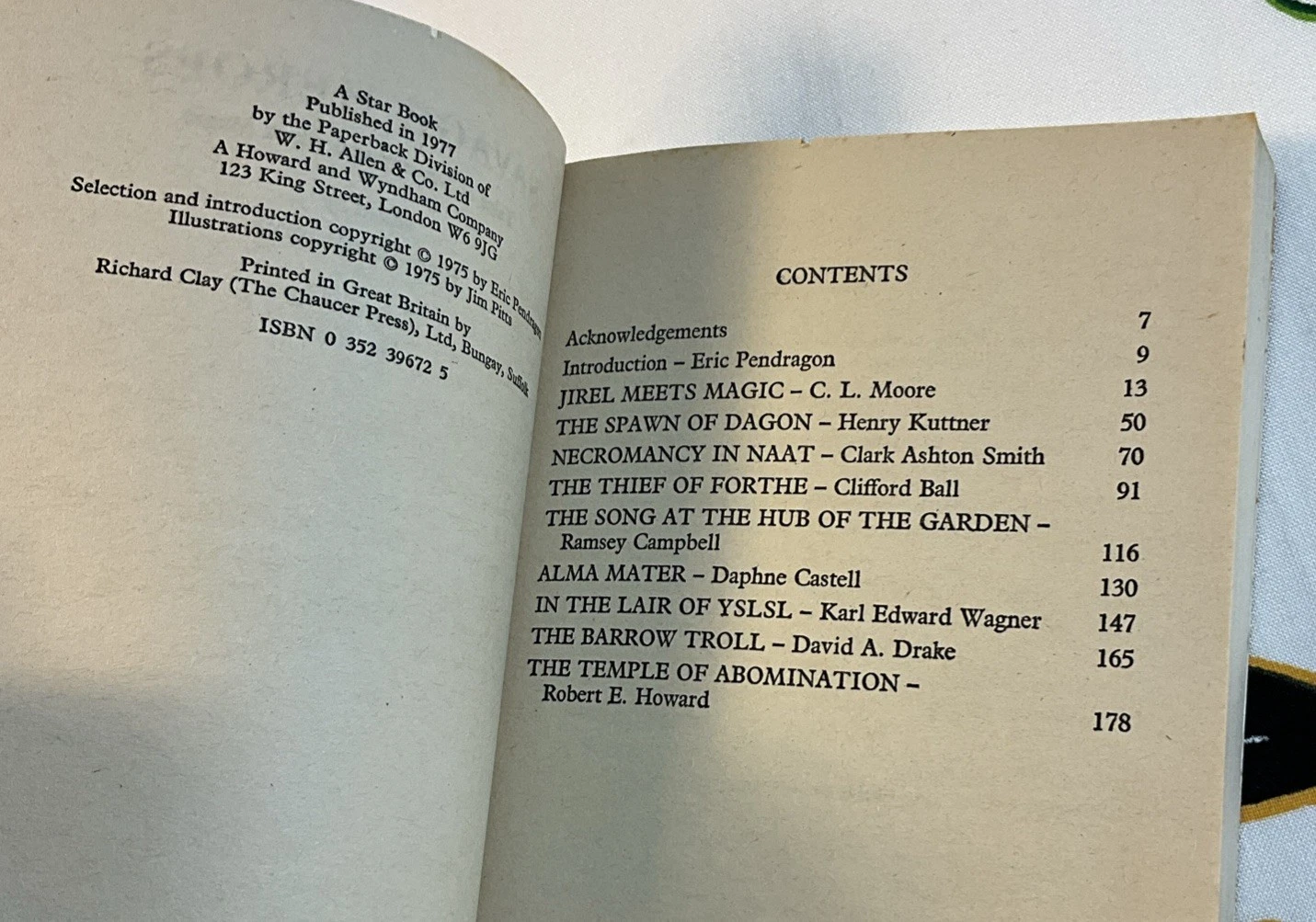 Savage Heroes Table of Contents
A solid collection, though probably not the absolute best stories by these authors. Drake’s “The Barrow Troll” is one of his better ones. I remember being disappointed a little in this collection because I had almost all these stories already in other collections.
Second up, Heroic Fantasy (1979), from DAW with a cover by Jad. Edited by Gerald W. Page and Hank Reinhardt. A much thicker collection than Savage Heroes and it scratched an itch the other didn’t because it was all new heroic fantasy stories (at the time).
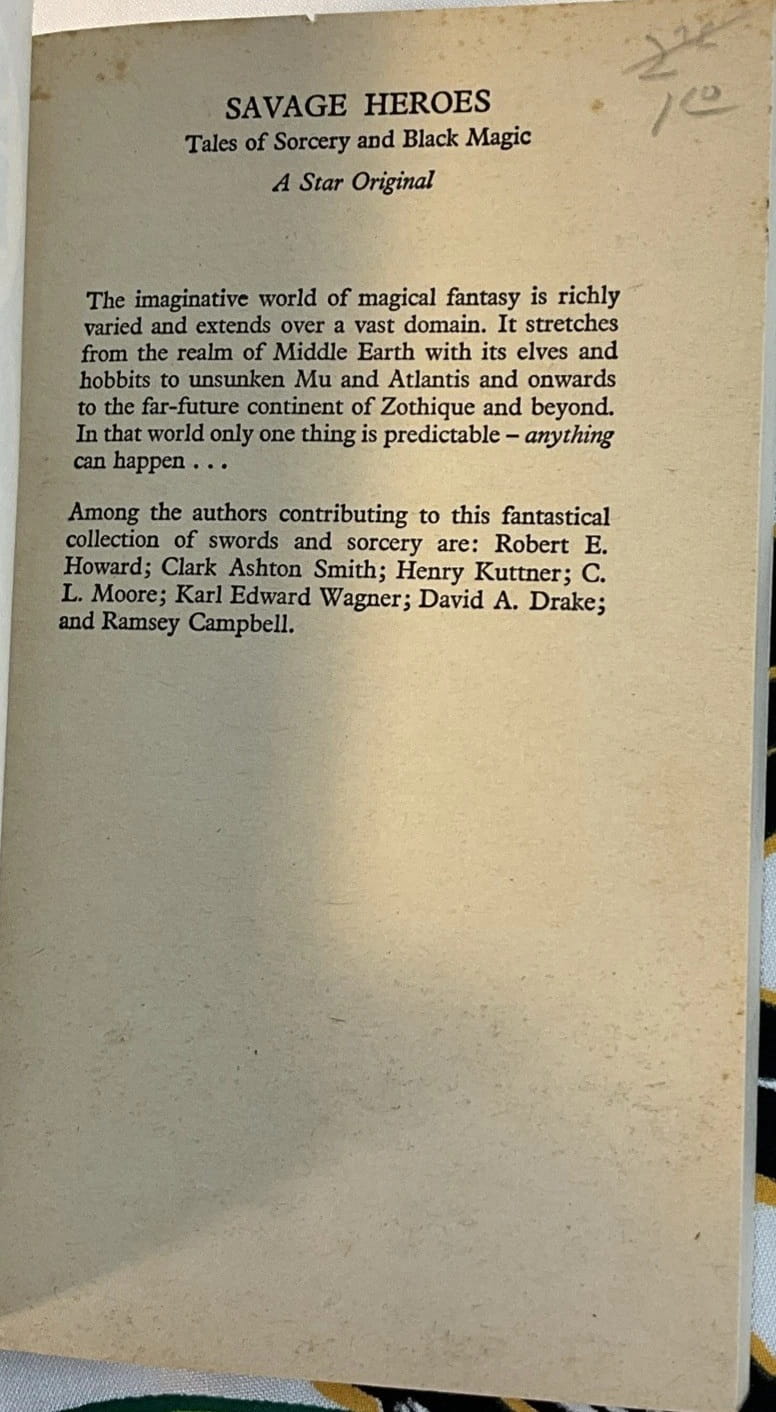
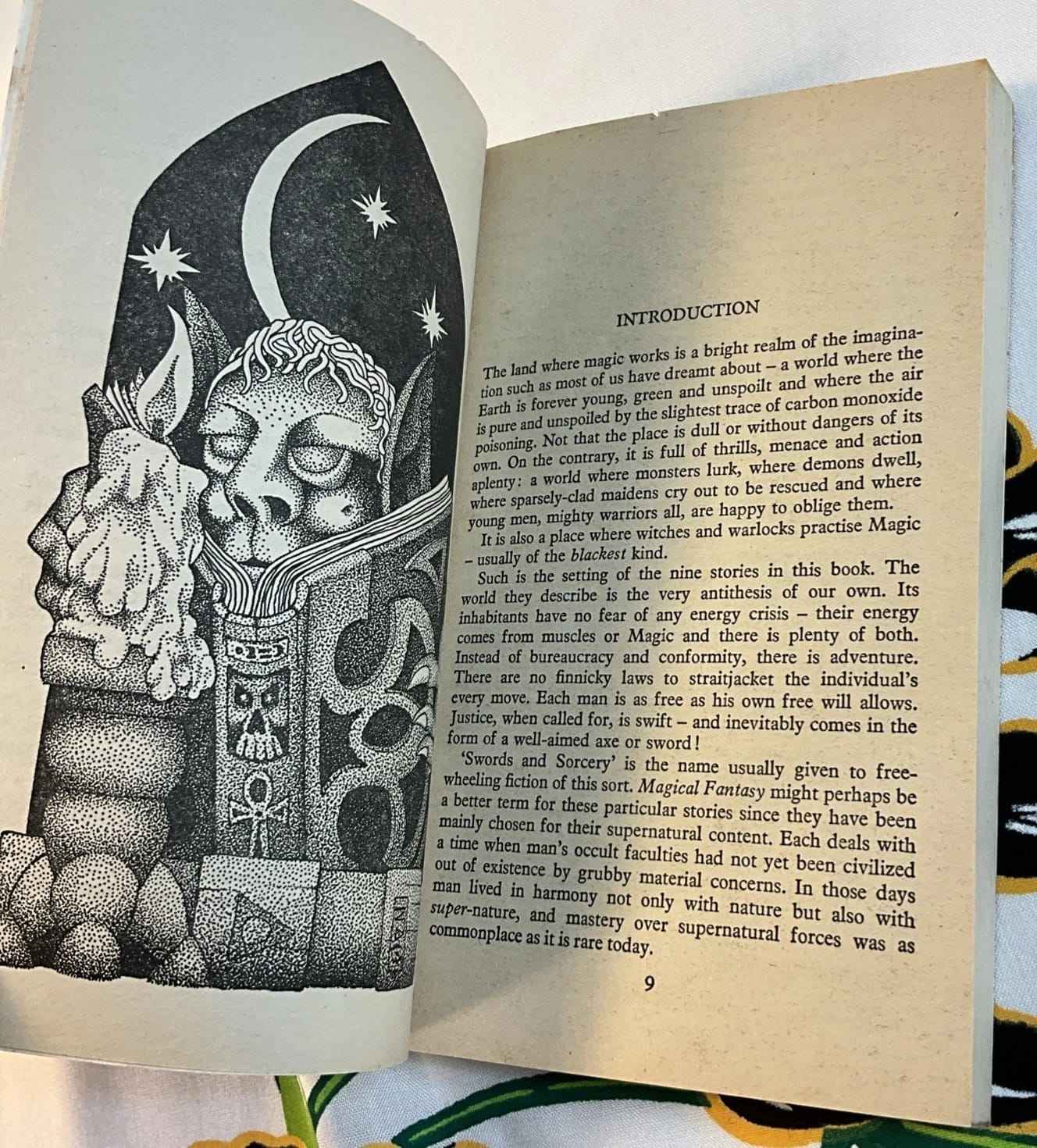
Inside cover and introduction for Savage Heroes. Illustration by Jim Pitts
It contains:
“Sand Sister” by Andre Norton (Witch World)
“The Valley of the Sorrows” by Galad Elflandsson
“Ghoul’s-Head” by Donald J. Walsh, Jr.
“Astral Stray” by Adrian Cole (Voidal Tale)
“Blood in the Mist” by E. C. Tubb
“The Murderous Dove” by Tanith Lee
“Death in Jukun” by Charles R. Saunders (Imaro)
“The De Pertriche Ring” by H. Warner Munn
“The Hero Who Returned” by Gerald W. Page
“The Riddle of the Horn” by Darrell Schweitzer
“The Age of the Warrior” by Hank Reinhardt
“The Mistaken Oracle” by A. E. Silas
“Demonsong” by F. Paul Wilson
“The Seeker in the Fortress” by Manly Wade Wellman (Kardios tale)
It also contained three nonfiction essays, which I liked: Commentary on Swords and Swordplay, Commentary on Armor, and Commentary on Courage and Heroism, all by Hank Reinhardt.
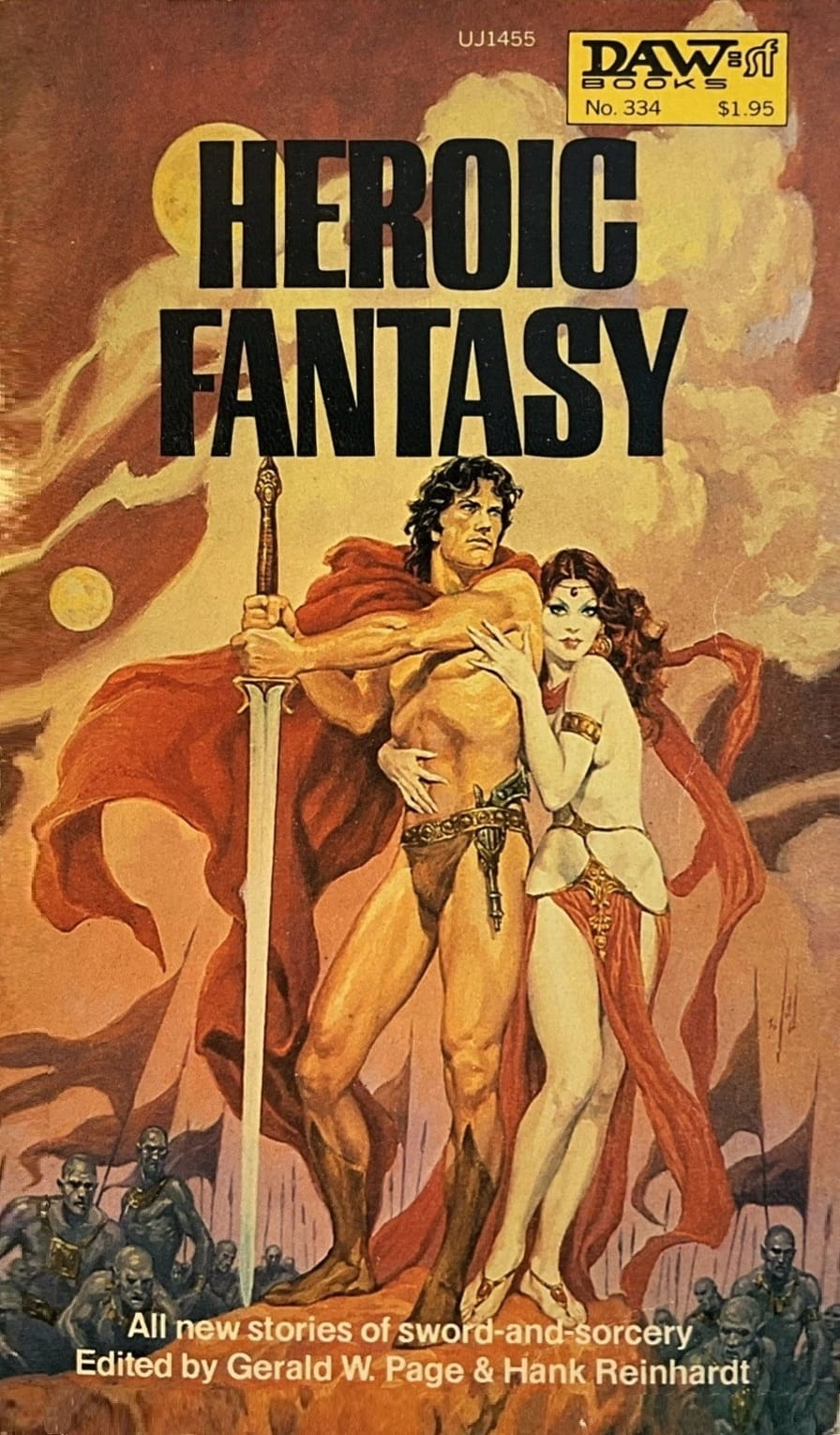
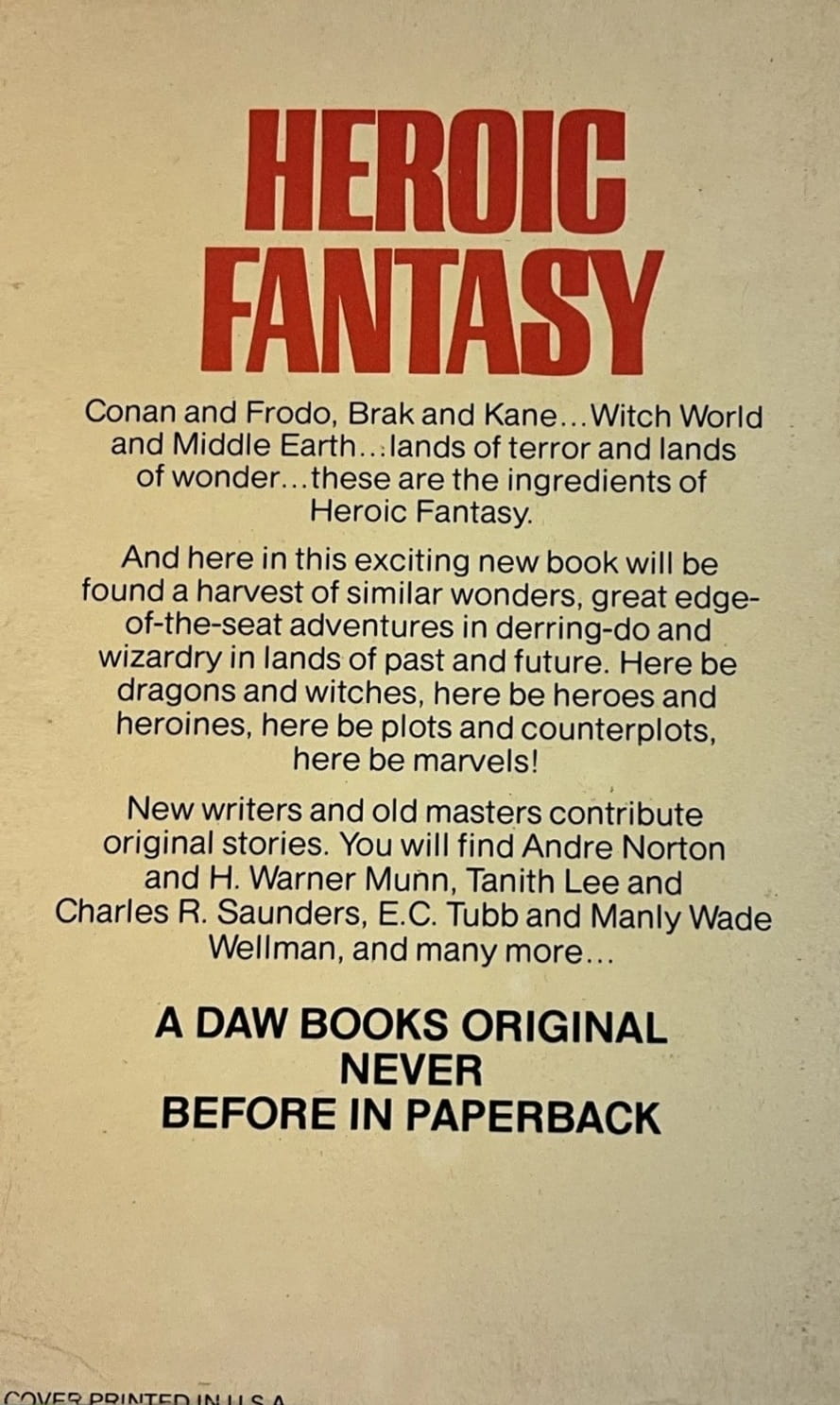
Heroic Fantasy (DAW Books, April 1979). Cover by Jad
This was my first introduction to Charles Saunders’ Imaro character and it was a dynamite story that made me an instant fan. I also particularly enjoyed the Gerald Page and Adrian Cole stories, but my favorite was E. C. Tubb’s tale. I’d read a lot of his Dumarest stories but this was Sword & Sorcery and I loved it. It was third in a series Tubb did about this character, “Malkar.”
The Malkar stories seem to have been gathered in print in 1999 in two volumes, Death God’s Doom and The Sleeping City, but the prices are pretty outrageous so I haven’t bought them. BTW, I thought the weakest story in the book was the ending tale by Manly Wade Wellman.
Charles Gramlich administers The Swords & Planet League group on Facebook, where this post first appeared. His last article for us was A Sword and Planet Quiz. See all of his recent posts for Black Gate here.
Categories: Fantasy Books
Is There Indeed a Change in the Air?
 Image by Gerd Altmann from Pixabay
Good afterevenmorn, Readers!
Since the release of Iron Lung, the independent film adaptation of the equally independent video game of the same name, I have been awash in articles, interviews and reviews about the piece. The algorithm has decided that that’s all I’ll get for now until the end of time. Well, that and general tarot readings, for some reason. I must admit, I have been following the story for a while, so it’s partially my fault. And it has also let me down the wonderful warren that is upcoming video game adaptations. And I want to talk about it.
Some of these are from games might all recognise – video games by the big studios that are or have been part of the cultural milieu for a while now – Mortal Kombat, Sonic the Hedgehog, Street Fighter, Silent Hill (the return to which released early this year and was not well-received. I did not watch it, so I can’t comment). The list goes on.
With the exception of Mortal Kombat (the most recent movie was meh, but I am absolutely going to go see this next one, due out in May. I think attaching Karl Urban to the lead role, and following Johnny Cage will make for a fun, if ultimately frivolous movie-going experience), I’m not particularly excited about any of these releases. I am incredibly excited for others, though. Ghost of Tsushima was an excellent game, with a brilliant story that I cannot wait to share with my non-gaming father. I will be at the cinema when it is released. And I will be dragging him with me. I am equally excited about God of War. The original games were fun nonsense, but the reworking of Kratos and his story in the 2018 game (and on) was a brilliant piece of storytelling as well as being a fantastic game. I will be there will bells on whenever that series is released (2027 is the projected year, with filming to begin in March of this year).
Both of those games rank among my top five games I’ve played.
I have to admit, my excitement is a little tempered. Not all video game adaptations have been much good. In fact, very few of them are, I feel. But that is changing. The Last of Us has proven that video games can become really brilliant television shows, giving me hope of God of War. While not for everyone, I thought Iron Lung was excellent, and with the director attached to Ghost of Tsushima (Chad Stahelski of John Wick fame), I’m optimistic about that film being something as special as the game was.
The point is, good adaptations of video games are possible. They key here, I think, is to respect the original games and their stories. Not all film makers can or will. But I’m certain that as long as they do, the adaptations will be good.
That’s not really why I’m here, though. I’m here to cheer on the independents. A surprising number of these promised adaptations are of independently produced video games; passionate work by passionate people who don’t have the benefit of recognisable studios or distributors behind them. This is glad tidings for me; not because I’ve played these games, necessarily, but because it proves that if people are left alone to craft what they want to, and not what some suit relying on sterile numbers demands, excellent stories can and will be produced. There is hope for story-telling out there; in every medium.
So, here is a couple of independent video games (other than Five Nights at Freddie’s, which is another independent success story) that have been or will be given adaptations that I am thrilled to see, even if I may not check them out:

First up is The Exit 8 (also sometimes just called Exit 8). Developed and published by Kotake Create/Kotakenotokeke, this game is essentially a spooky spot the difference. Seen through the player’s perspective (first person), the player is given simple instructions: If everything looks normal or is the same as before, continue to the next level/exit. Otherwise, turn back. The differences can range between jump scares to just the extremely creepy. The game is simple enough, but very atmospheric. I did not think it would be enough for an adaptation, but I was mistaken. It was given one. Directed and co-written by Genki Kawamura, the film released in Japan August of last year. And it is coming to cinemas this year. Distributed by Neon, it will be released in April.
I think I will make this one my April date-for-one movie. I’m not a horror girly by any stretch, but this looks to be more psychological, and I’m keenly interested in seeing how they managed to make this simple game into a film.

Phasmaphobia is another independent game (by British independent studio Kinetic Games) that has rumours of an adaptation surrounding it. I say rumours because although it’s been reported that Blumhouse has acquired the rights for adaptation, development hell exists, so until it starts filming, I will remain hopeful but realistic. Designed to be a multi-player co-op game, the team is hired to investigate haunted locations and, depending on the evidence they accrue, identify the thing that is haunting the place. Presumably so that someone else can go in to perform the correct exorcism? I don’t know. The players are not expected to exorcise the thing, just identify it.
I have not played this game, but is has given rise to one of my favourite gaming moments that I have ever had the pleasure of watching:
It still makes me laugh. Really hard.
While a fun game to play, there really isn’t a defined story in this one; just a bunch of missions/jobs. Still, it is easier is see how it would be adapted into a film; provided that the writers are good (there has been a writing problem in films of late. Perhaps I’ll rant about that in a later post, if I’m feeling cranky enough about it). It is also a much more traditional horror, so I might give this one a miss when it comes out. This is the kind of thing that would give me nightmares. If the story can manage to be compelling enough, however, maybe I’ll just suck it up. I’m undecided. The script will be everything here.
Perhaps the biggest independent title being given an adaptation is the 2025 smash hit RPG game Clair Obscur: Expedition 33 .
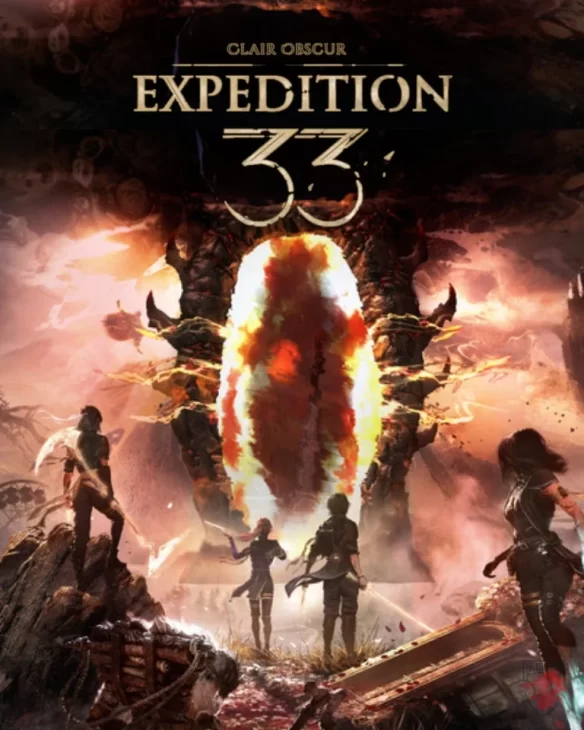
Developed by French studio Sandfall Interactive, this game made waves in the scene. It won nine awards, including Game of the Year in the Game Awards 2025, was nominated for a slew of others in other awards, winning five of their eight nominations, including Game of the Year again for the Academy of Interactive Arts and Sciences. This is one I have not yet played (though I really want to), but I have heard nothing but exceptional things from the gamers I have in my life. I don’t know much about the plot of this one. I have been trying very hard not to learn too much about it, because I want to discover it for myself when I finally do get to play it. You know, when I can finally afford a PS5.
Anyway, I’m really excited about this one, just because I’ve heard so many good things about the game.
This is just a few examples of video game adaptations that are in the works. Granted, that list is still dominated by the big name games from the big game studios, but the prevalence of independent games getting seen and (dare I hope) respected by those who are adapting the stories from video games. While the opportunity to make bank is still the biggest deciding factor, I feel, I am also seeing an openness to those stories that capture the imagination, and a willingness to listen to voices that don’t have the biggest budgets behind them. This lets me hope that some people do still care about craft and story, and not just their wallets.
It’s heartening.
Are there any adaptations you’re particularly looking forward to? I’d be interested to hear. I know I’ve missed many.
When S.M. Carrière isn’t brutally killing your favorite characters, she spends her time teaching martial arts, live streaming video games, and sometimes painting. In other words, she spends her time teaching others to kill, streaming her digital kills… and sometimes relaxing. Her most recent titles include Daughters of Britain, Skylark and Human. The Timbercreek Incident is free to read on Wattpad.
Categories: Fantasy Books
Cape Fear: John D. MacDonald is BACK!!!!!
 I have not been active in the John D. MacDonald world for awhile. Time is limited, and interests are many. I recently jumped down the Columbo rabbit hole (I wrote about him back in 2016, and I’ve got a big project in the works for 2027). And I’ve been watching that seventies show, Emergency!. That holds up way better than you might expect!
Which is all to say, I actually exclaimed in joy last week when I discovered a new ten-episode streaming series of Cape Fear is coming!! (You can see I’m still excited!). It will air on Apple TV, every Friday from June 5 through July 26.
Hopefully you’ve read some of my John MacD writings here at Black Gate. I even have a landing page where I collected my writings on him. I was late to the Robert E. Howard party, and Two-Gun Bob has risen to number two on my all-time favorite writers list. But John D. MacDonald is the one author he hasn’t passed. And I don’t think he ever will.
THE EXECUTIONERS
There was a writers community in Sarasota, Florida, in the fifties. MacDonald moved there in 1951, and the dean of the group was MacKinley Kantor, who wrote the Pulitzer Prize winner, Andersonville. He became JDM’s friend, and mentor. In 1957, at one of the gatherings, Kantor was needling MacDonald about the quality of his writing. All he wrote were mysteries and other paperback trash. Why didn’t he write a real book?
MacDonald got mad. He bet Kantor $50 that he would write a book within thirty days. A book that would be serialized in magazines, be a book club selection, and be turned into a movie. Kantor accepted.
MacDonald had written almost two dozen books, mostly paperback originals. MacDonald was popular, but the books were of a type. British critic and novelist Julian Symons later called his books “…production line efficient fast-moving American thrillers.” But he also said, “..there are interesting ideas about the nature of corruption and the increasingly mechanical form of life in America.”
Kantor saw that MacDonald had more in him. Something that would stand out from the good but similar book after book (I like what he was writing, but I’m also not a Pulitzer Prize winner, either).
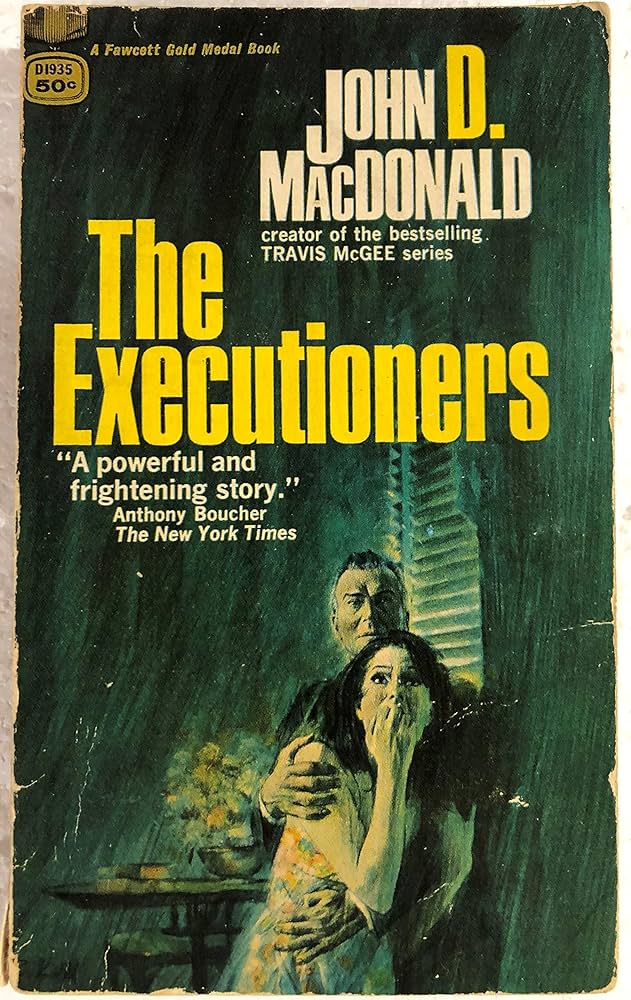
 There were a a few notable thriller writers, like Dorothy B. Hughes (In a Lonely Place), David Goodis (Dark Passage), and of course, Cornell Woolrich. I think of it as these works as the transition from Hardboiled to Noir (this isn’t the place for THAT deep discussion).
MacDonald took the noir thriller and moved it from urban streets to the suburbs. And he did it with The Executioners. It’s a quick, absorbing, scary read. Thrillers use suspense, not horror, to induce fear. Alfred Hitchcock was the master of this. The building fear and suspense in The Executioners bears witness to MacDonald growing as a writer. Kantor was correct.
The book is readily available in paperback, digital, and audio form. Though, under the title Cape Fear.
CAPE FEAR (1962)
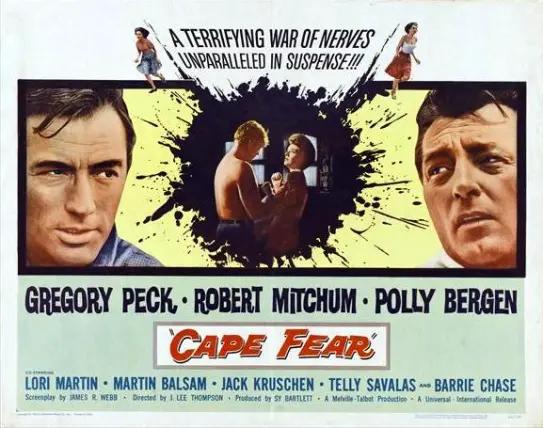
That’s right – it became a movie, which was part of JDM winning his bet with Kantor. Gregory Peck (Sam Bowden) and Robert Mitchum (Max Cady) starred in a 1962 big screen effort (88% on Rotten Tomatoes). I’ve seen this once, and it’s a good movie. Director J. Lee Thompson directed The Guns of Navarone, and two of the Planet of the Apes movies. He masterfully builds up the tension and the suspense, step-by-step.
And Robert Mitchum is a dastardly villain. If you like black and white thrillers, this is one that you should check out. When you’ve got Peck and Mitchum at the top the bill, you’re going to see some damn good acting. Peck was a huge star, and he co-produced it through is own production company. He was a fan and wanted this movie to be made.
I’m on record as a HUGE JDM fan. But I’m not a fanboy, and I’ve called him out in writing for his ‘bitter old man’ intro to Norbert Davis’ works. Likewise, he was snobbish towards this movie.
MacDonald was like many writers who disapprove of adaptations of their works. “…a dreary moving, I mean unmoving picture.” And “…Artistically, the movie warped the concept of the novel.”
In fact, he holds forth rather obnoxiously in a 1965 letter about ‘artistic control in other mediums.’ He’s not the first nor the last author to look down on what other people did with his work. Clive Cussler (who I love) was another. Whatever.
CAPE FEAR (1991)
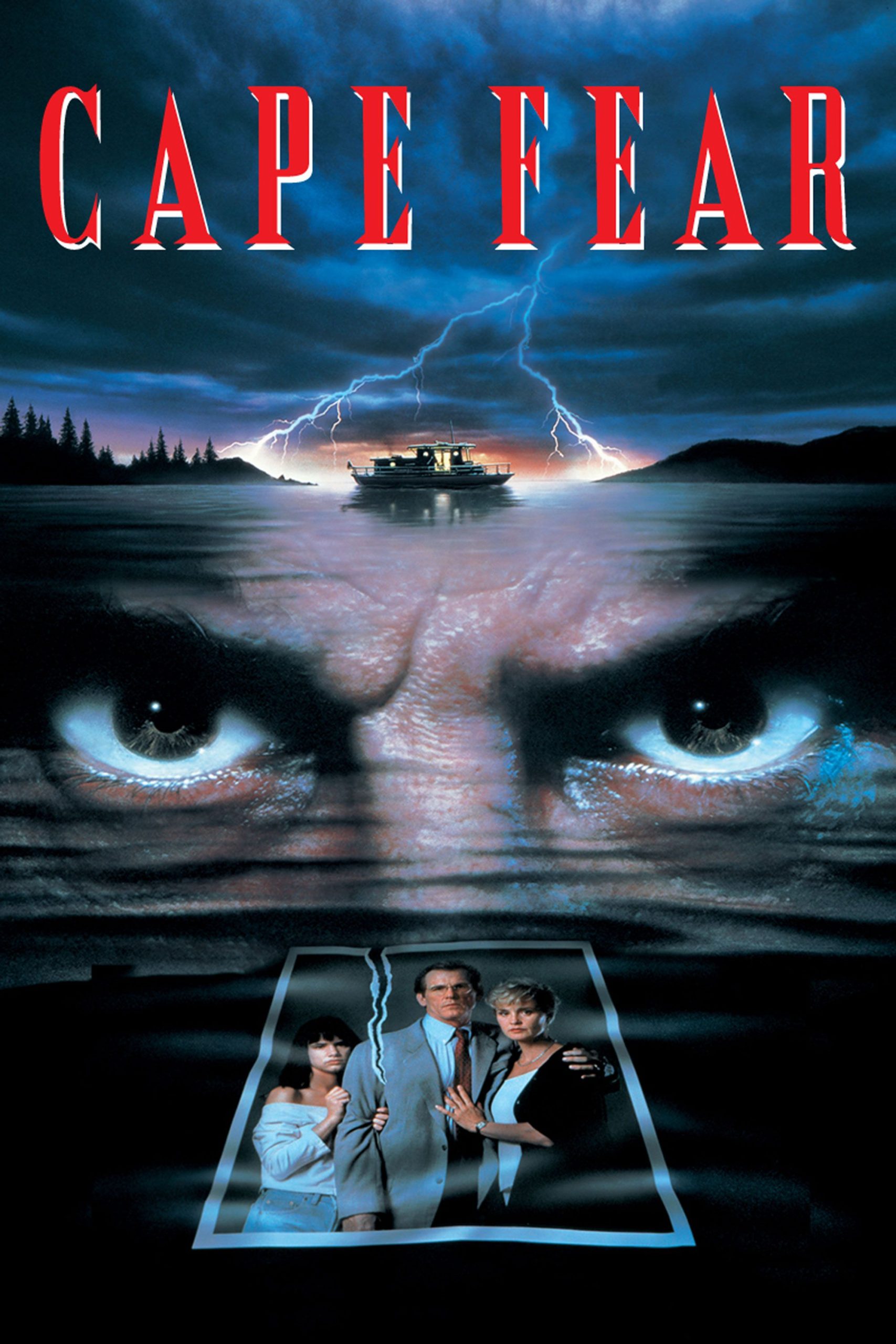 Martin Scorsese is one of the legends of our lifetime. 1990 saw the release of Good Fellas. The following year, he directed the remake of a 29 year-old black and white movie (Steven Spielberg was an uncredited executive producer).
And in a brilliant casting decision, Robert DeNiro was selected for the Mitchum role. Nick Nolte was perfect to succeed Peck. But few who have seen this movie can forget DeNiro’s masterpiece of evil.
And an 18 year-old Juliette Lewis launched her career to star level.
Scorsese included Peck, Mitchum, and also Martin Balsam, from the prior version, which was a wonderful move. If you’ve never seen this movie, you’re missing out on a classic thriller. Proving that box office results don’t tell the whole story, it finished #18 in domestic gross, about $2 million behind Kindergarten Cop (ugh). But with Silence of the Lambs, and Sleeping With the Enemy, it was a good year for the suspense thriller.
If you’ve seen Cape Fear, you know what a standout this is. I’m not gonna reveal spoilers. Other than to point out that there is one significant difference between the book and the two movies. In the novel, the final confrontation takes place at a farmhouse. It works fine in the book. And I wouldn’t think about it being anywhere else.
Except I do think about it being elsewhere. Because the 1962 movie moved it to a houseboat. The remake adds a terrific storm to that. And visually, the houseboat is a better choice than the farmhouse. The finale of the DeNiro movie is absolutely spellbinding to watch.
SUMMER 2026
Scorsese and Steven Spielberg are executive producers of the new Apple+ series. That is a high-level title. Think a creative and fiscal role. And sometimes it’s a financial incentive or reward. It’s not uncommon for someone who was involved in a movie to be given that credit when it is remade.
The Producer actually manages the movie day-to-day. So, this isn’t Scorsese and Spielberg making a movie together, one directing on set. But having said that, it’s from Amblin Television, which Spielberg founded as part of his movie-making empire. Given their history with the 1991 film, I think it’s safe to say they were involved in how this project was developed, and what we’re gonna see on screen.
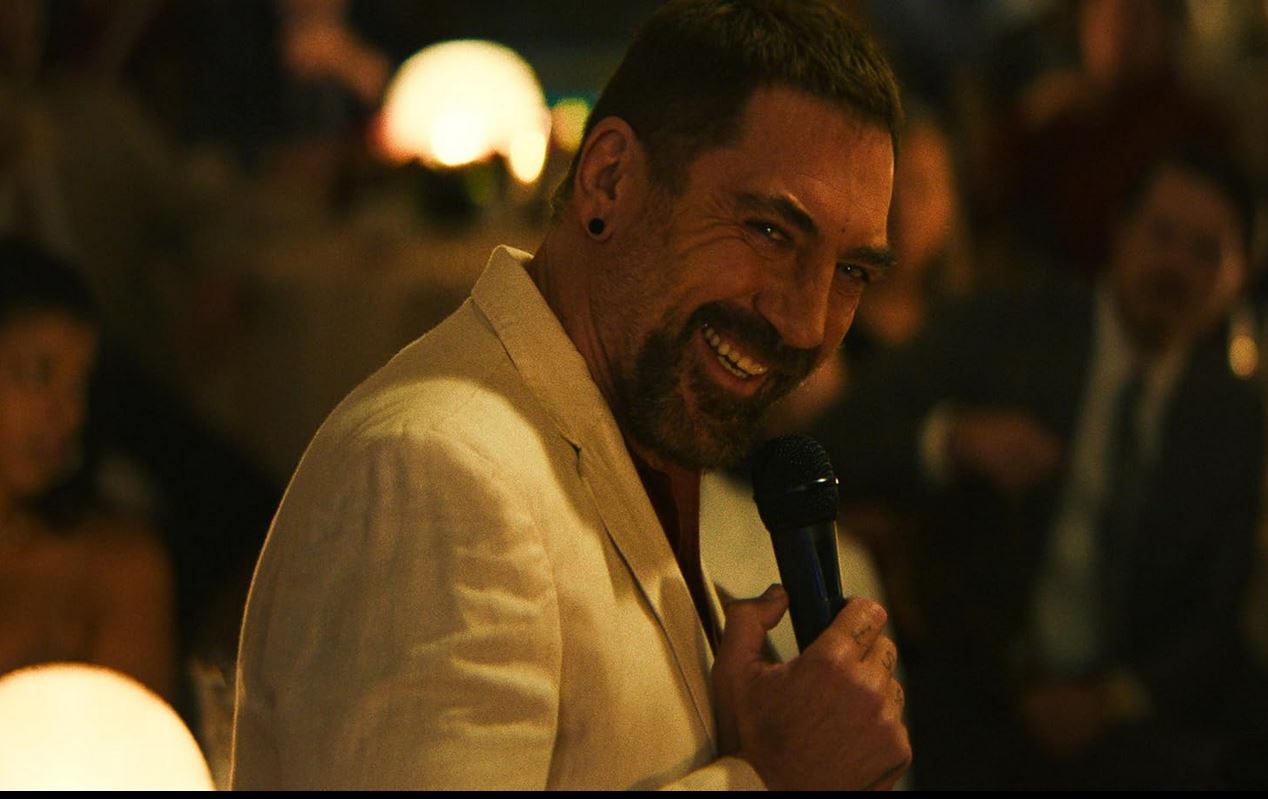
 Amy Adams is touted as the star, which is interesting. Anna Bowden is Tom Bowden’s wife. That’s at best the third main character. Jessica Lange had the part in 1991. Javier Bardem is Max Cady. It’s been nineteen years, but the bad guy from No Country for Old Men, certainly qualifies him for this part. Interesting she’s the lead over him. Patrick Wilson is Tom (not Sam) Bowden. I’ve seen him in things like Aquaman, but I had to look him up. No clue on name alone. It’s not Gregory Peck, or Nick Nolte, star power.
I don’t know much about the new production. But I’m sure as heck looking forward to it. Good book, good movie, great movie. That’s a pretty good pedigree – though no guarantee of success of course.
There have been quite a few MacDonald adaptations over the years, but none since 1993. That was Linda, based on Border Town Girl, and starring a sultry Virginia Madsen. For a guy who reportedly sold 75 million books before he died (in the pre-Internet age), he’s been forgotten. I am really excited to see this project.
Christian Bale was cast as Travis McGee for The Deep Blue Goodbye, when he tore his ACL. By the time things shook out, he couldn’t do the Leonardo DiCaprio project, and it was scrapped. They had even made a Busted Flush and shipped it to Florida for filming.
You can read this link to see what I think about MacDonald’s writing. I SO hope this is a good version.
And all of my JDM-related posts are here at this page.
And one more note: The Simpsons did a brilliant homage, Cape Feare, with Sideshow Bob after Bart. I will NEVER forget Bob explaining away his ‘Die, Bart, Die’ chest tattoo as just German for ‘The, Bart, The.’
Bob Byrne’s ‘A (Black) Gat in the Hand’ made its Black Gate debut in 2018 and has returned every summer since.
His ‘The Public Life of Sherlock Holmes’ column ran every Monday morning at Black Gate from March, 2014 through March, 2017. And he irregularly posts on Rex Stout’s gargantuan detective in ‘Nero Wolfe’s Brownstone.’ He is a member of the Praed Street Irregulars, and founded www.SolarPons.com (the only website dedicated to the ‘Sherlock Holmes of Praed Street’).
He organized Black Gate’s award-nominated ‘Discovering Robert E. Howard’ series, as well as the award-winning ‘Hither Came Conan’ series. Which is now part of THE Definitive guide to Conan. He also organized 2023’s ‘Talking Tolkien.’
He has contributed stories to The MX Book of New Sherlock Holmes Stories — Parts III, IV, V, VI, XXI, and XXXIII.
He has written introductions for Steeger Books, and appeared in several magazines, including Black Mask, Sherlock Holmes Mystery Magazine, The Strand Magazine, and Sherlock Magazine.
You can definitely ‘experience the Bobness’ at Jason Waltz’s ’24? in 42′ podcast.
Categories: Fantasy Books
Recent comments