
Fantasy Books
7 Author Shoutouts | Authors We Love To Recommend
Here are 7 Author Shoutouts for this week. Find your favorite author or discover an…
The post 7 Author Shoutouts | Authors We Love To Recommend appeared first on LitStack.
Categories: Fantasy Books
Marvel’s Conan Paperbacks
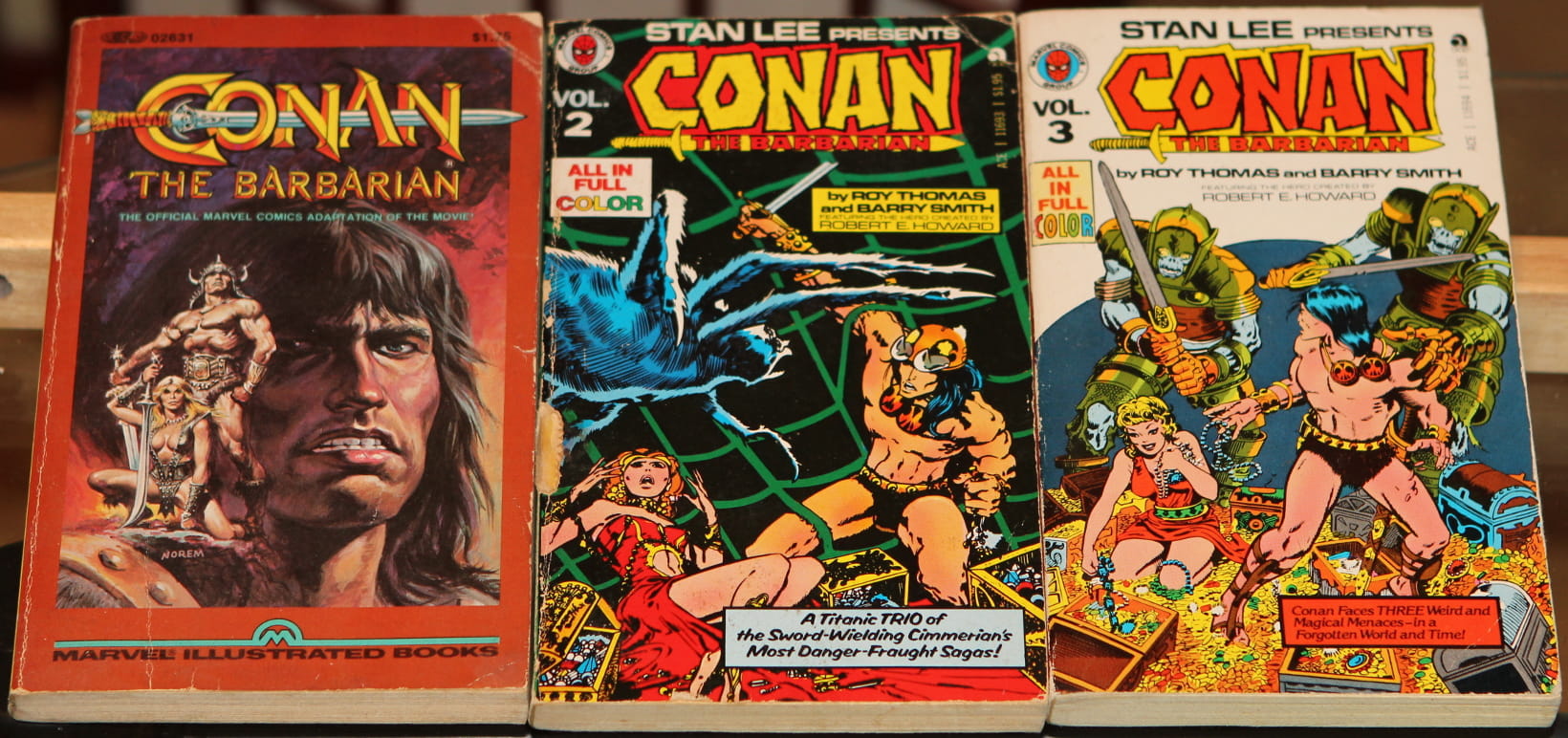 Marvel’s Conan paperbacks: Conan the Barbarian: The Official Marvel Comics Adaptation of the Movie by Michael Fleisher and John Buscema (1982), and Stan Lee Presents Conan the Barbarian, Volumes 2 and 3, by Roy Thomas and Barry Windsor-Smith (Ace Books, 1978). Covers by Earl Norem and Barry Windsor-Smith
I don’t systematically collect comic book materials but I pick up Edgar Rice Burroughs or Robert E. Howard related stuff when I see it. Found all three of the Marvel paperbacks above at various book sales.
Conan the Barbarian: The Official Marvel Comics Adaptation of the Movie stayed true to the movie plot. Being a Howard purist, I wasn’t a big fan of the movie when it came out, but it’s grown on me over time. I just don’t really think of it as a Howard Conan movie. Earl Norem did the cover for this one, based on movie images.
The Stan Lee Presents Conan volumes are in color. I don’t have Volume 1 and likely won’t be getting it since it lists at 250 bucks on Amazon, but here are 2 and 3, which I bought for a buck or so. Both were written by Roy Thomas (1940 – ) and drawn by Barry Windsor-Smith (1949 – ).
[Click the images for Conan-sized versions.]
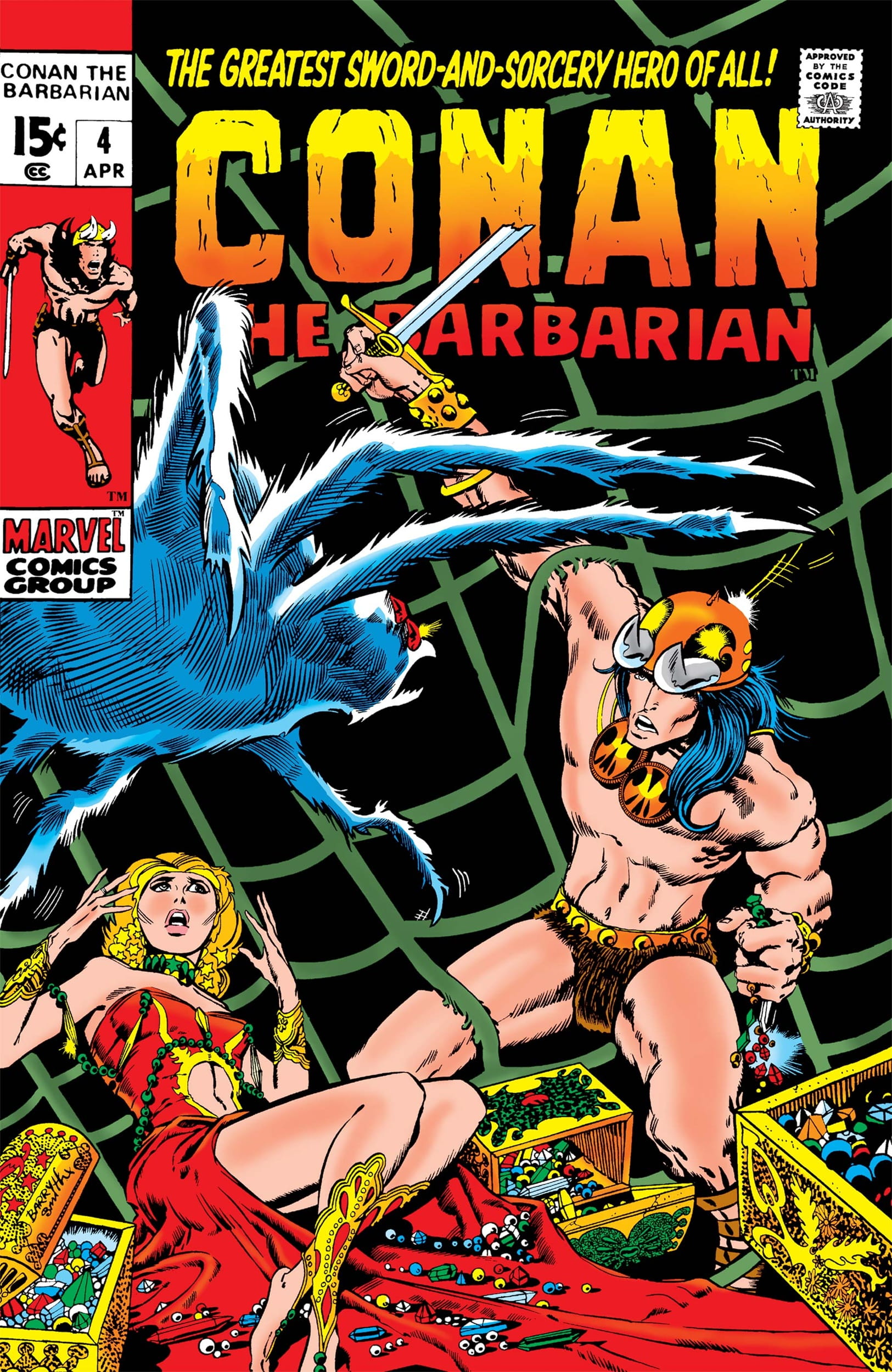
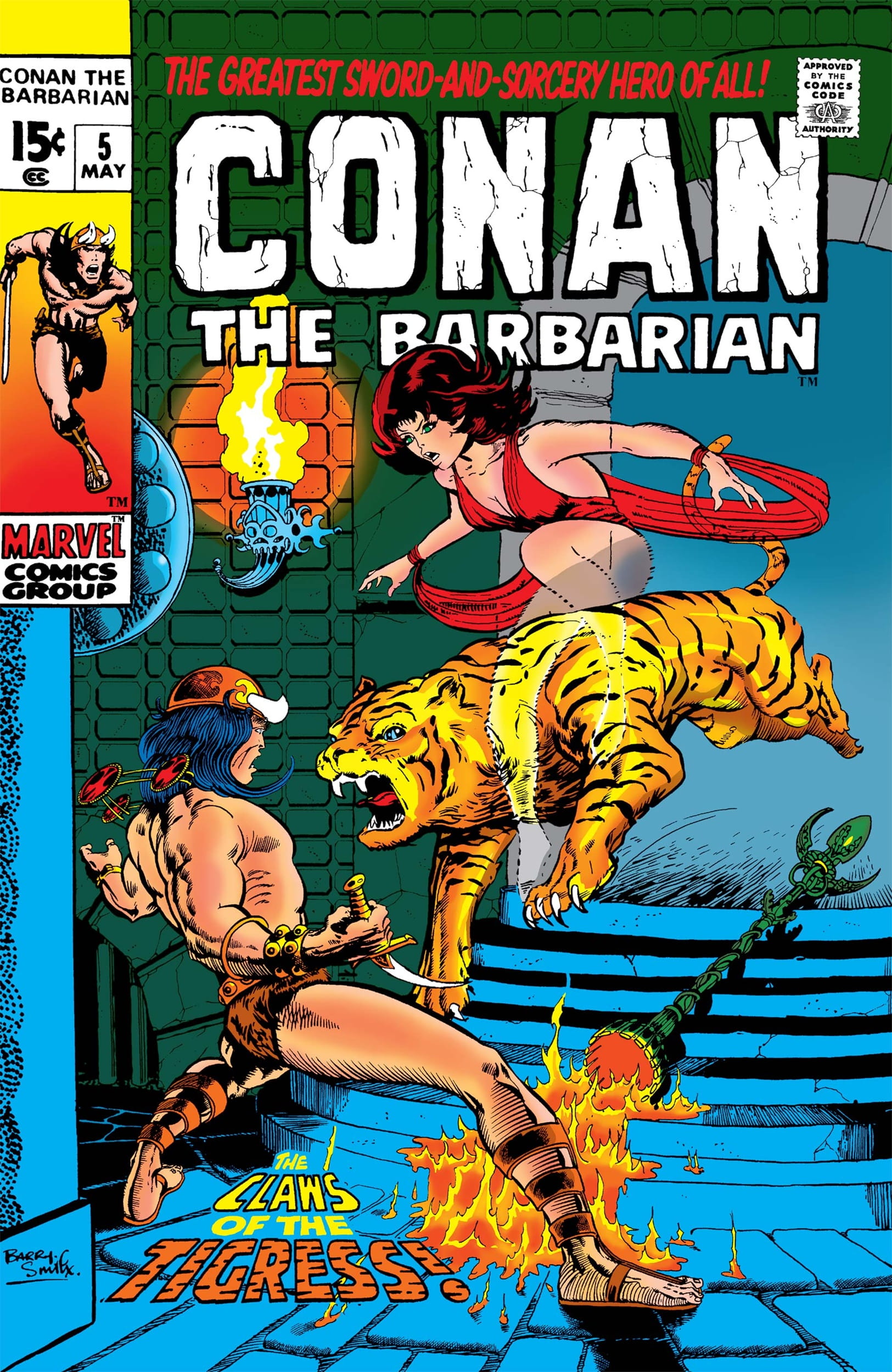
Conan the Barbarian #4 & 5, by Roy Thomas and Barry Barry Windsor-Smith
(Marvel Comics, April and May 1971). Covers by Barry Windsor-Smith
Volume #2 collects issues 4-6 of Marvel’s Conan the Barbarian comic, including an adaptation of Howard’s Conan story called “The Tower of the Elephant,” a story expanded from Howard’s poem “Zukala’s Hour,” which did not feature Conan, and a final piece called “Devil Wings Over Shadizar,” which is a new story not directly connected to Howard. It was nominated in 1971 for best story by “The Academy of Comic-Book Arts,” and is interesting for its use of two characters named Fafnir and Blackrat.
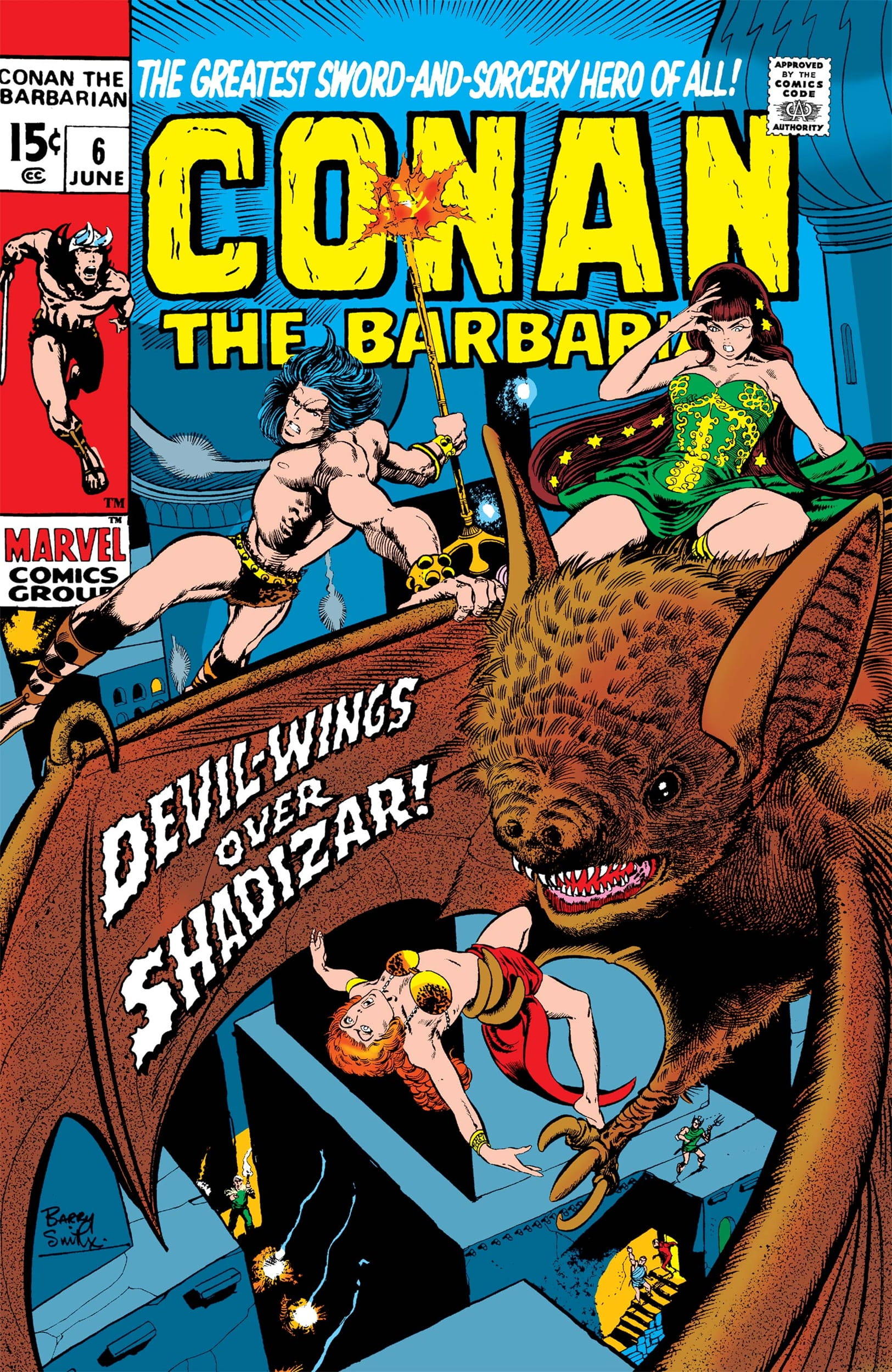 Marvel’s Conan the Barbarian 6 (June 1971). Cover by Barry Windsor-Smith
Fafnir = big man, dressed as a barbarian, heavy red beard. Blackrat = little man, called rodent, more fancy in dress and in swordsmanship. Remind you of anyone? Maybe the story should have been called “Ill Met in Shadizar.”
Volume #3 reprints issues 7-9 of Conan the Barbarian, including “The Lurker Within,” which was adapted from Howard’s “God in the Bowl,” a Conan piece, “The Keepers of the Crypt,” loosely based on a Howard synopsis, and “The Garden of Fear,” which transforms Howard’s story of the same name into a Conan tale. The original featured the character of James Allison, who is remembering his past life as Hunwulf the Wanderer.
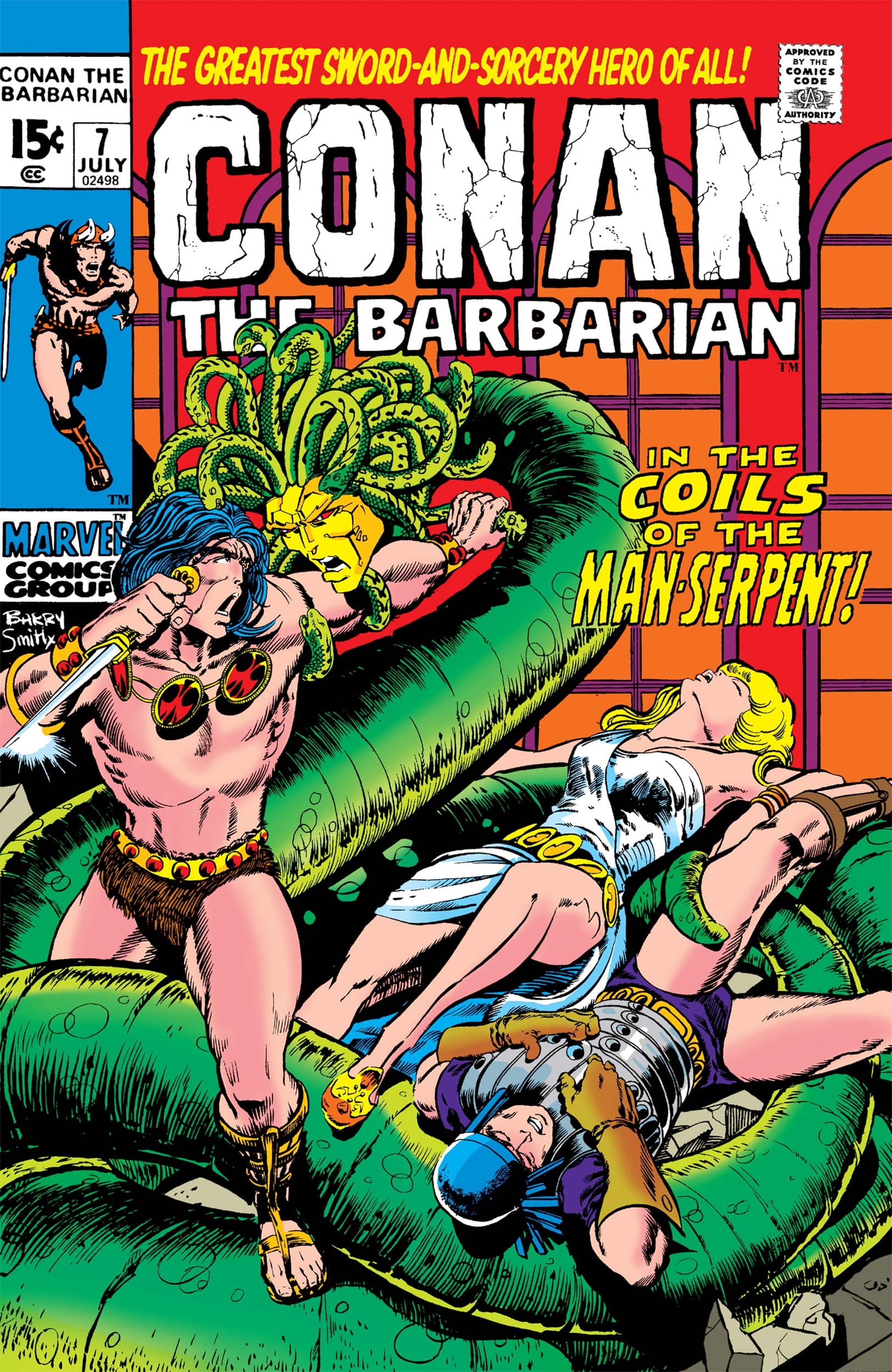
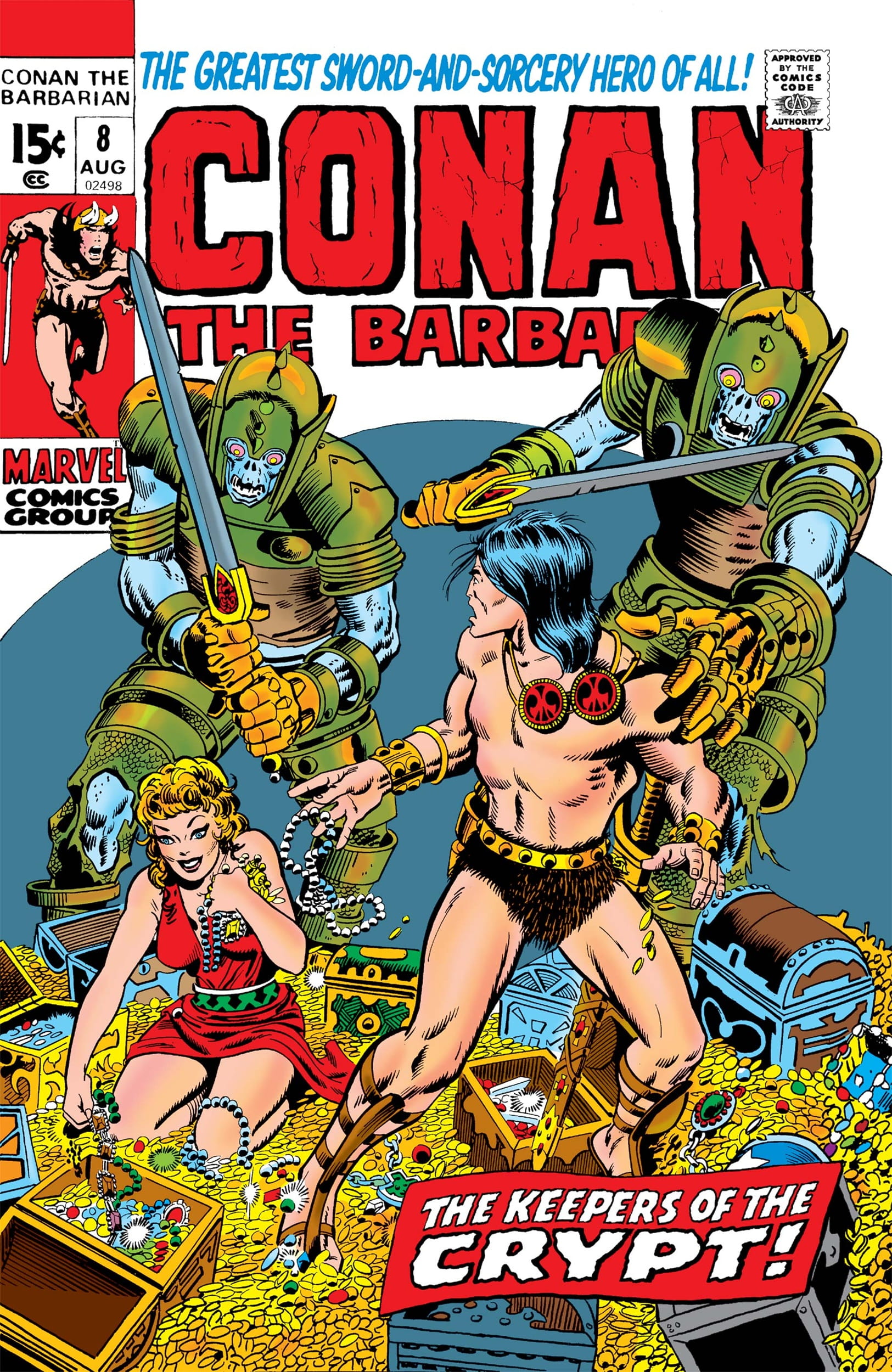
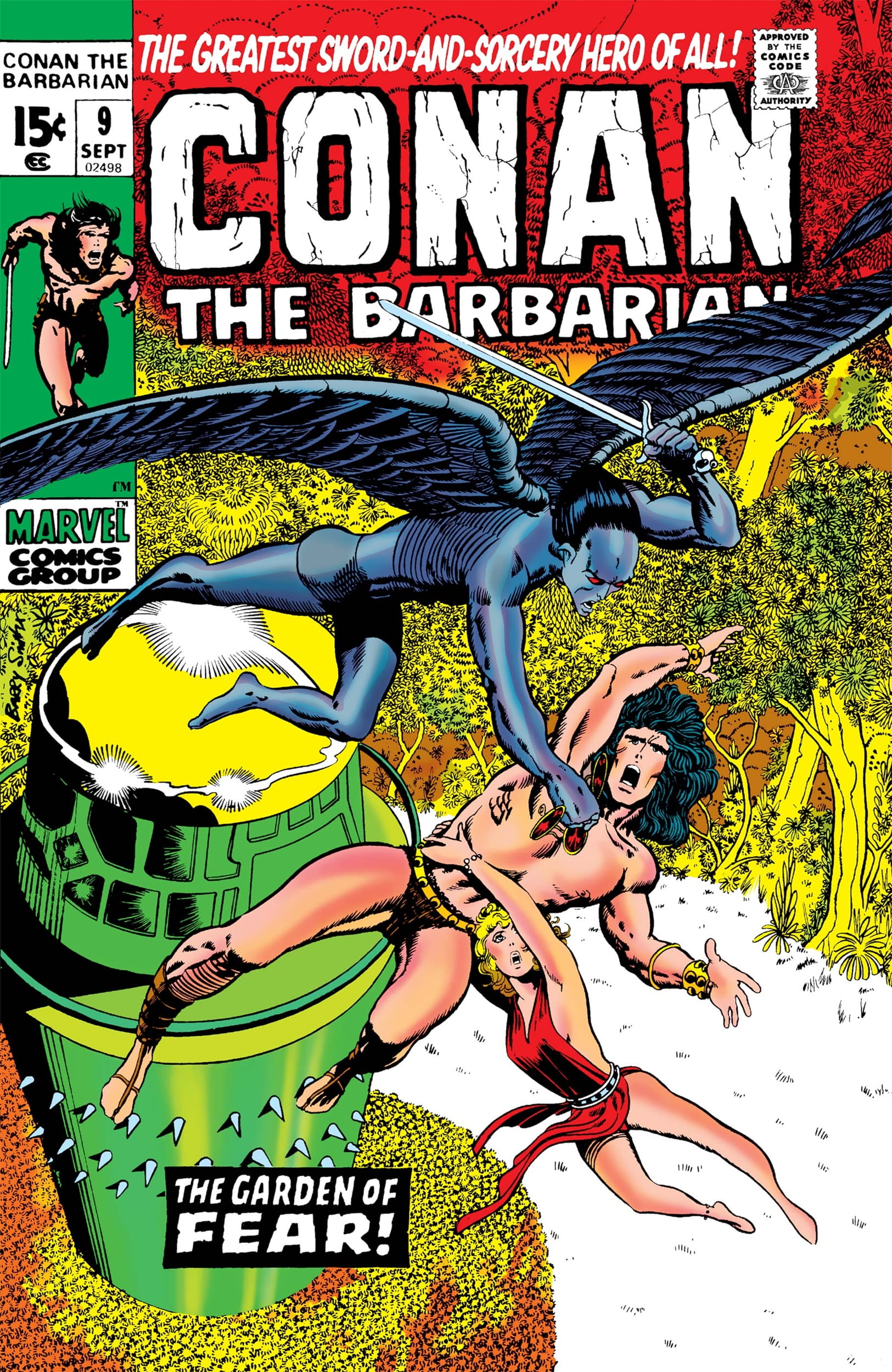
Conan the Barbarian #7-9, by Roy Thomas and Barry Barry Windsor-Smith
(Marvel Comics, July-September 1971). Covers by Barry Windsor-Smith
The stories were enjoyable. Roy Thomas, who I briefly met, seemed to have a pretty good feel for Conan, and Windswor-Smith has long been identified with his Conan art.
Charles Gramlich administers The Swords & Planet League group on Facebook, where this post first appeared. His last article for us was a review of two Sword & Sorcery anthologies, Savage Heroes and Heroic Fantasy. See all of his recent posts for Black Gate here.
Categories: Fantasy Books
Early Review – Agnes Aubert’s Mystical Cat Shelter by Heather Fawcett (5/5 stars)

Reading Level: Adult
Genre: Historical Fantasy
Length: 356 pages
Publisher: Del Rey
Release Date: February 17, 2026
ASIN: B0F92B9CCF
Stand Alone or Series: Stand Alone
Source: eGalley from NetGalley
Rating: 5/5 stars
“Agnes Aubert leads a meticulously organized life, and she likes it that way. As the proudly type-A manager of a cat rescue charity, she has devoted her life to finding forever homes for stray cats.
Now it’s the shelter that needs a new home. And the only landlord who will rent a space to a cat rescue is a mysterious man called Havelock—who also happens to be the world’s most infamous magician, running an illegal magic shop out of his basement. Havelock is cantankerous and eccentric, but not not handsome, and no, Agnes absolutely does not feel anything but disdain for him. After all, rumors swirl about his shadowy past—including whispers that his dark magic once almost brought about the apocalypse.
Then one day a glamorous magician comes looking for Havelock, putting the magic shop—and the cat shelter—in jeopardy. To save the shelter, Agnes will have to team up with the magician who nearly ended the world . . . and may now be trying to steal her heart.
Havelock is everything Agnes thinks she doesn’t need in her life: chaos, mischief, and a little too much adventure. But as she gets to know him, she discovers that he’s more than the dark magician of legend, and that she may be ready for a little intrigue—and romance—in her life. After all, second chances aren’t just for rescue cats. . . .”
Series Info/Source: This is a stand alone book. I got this on ebook through NetGalley for review.
Thoughts: I really enjoy Fawcett’s Emily Wilde series and expected (given the subject matter) I would enjoy this as well. I really loved this book right from the start. This is set in a vague Victorian type of fantasy world (at least it felt vaguely Victorian to me) where magicians exist.
Agnes is trying to find a new place for her cat shelter after dueling magicians blew up her last cat shelter. She finally finds a place that seems too good to be true….and….it is too good to be true. The new location harbors a horrible evil magician. However, as events play out, Agnes and the magician learn that they can support each other and maybe even make this new situation work to their advantage.
This was very well done with an intriguing world, interesting characters, lots of cats (obnoxious and cute ones), and lots of magic. There are some politics here and some light romance as well.
I thoroughly enjoyed this story about a normal woman who just wants to rescue cats and ends up thrown into the middle of a magical battle of sorts instead. The writing flows well, is easy to read, and is humorous, entertaining, and heartfelt. This is a self-contained story but I would love to see more books in this world.
My Summary (5/5): Overall I really loved this story. I enjoyed the characters, the magic, the cats, and how cozy this feels. Yes, there is danger and action, but in the end this is about Agnes finding a home for herself, her cats, her employees, and maybe even an evil magician. I loved the glimpse into this world and would love to see additional stories set here. If you are a fan of cozy Victorian fantasy, magic, and cats, definitely pick this one up. I am eagerly awaiting Fawcett’s next book!

Categories: Fantasy Books
The 13th Warrior: Twelve Vikings and an Arab Walk into a Bar
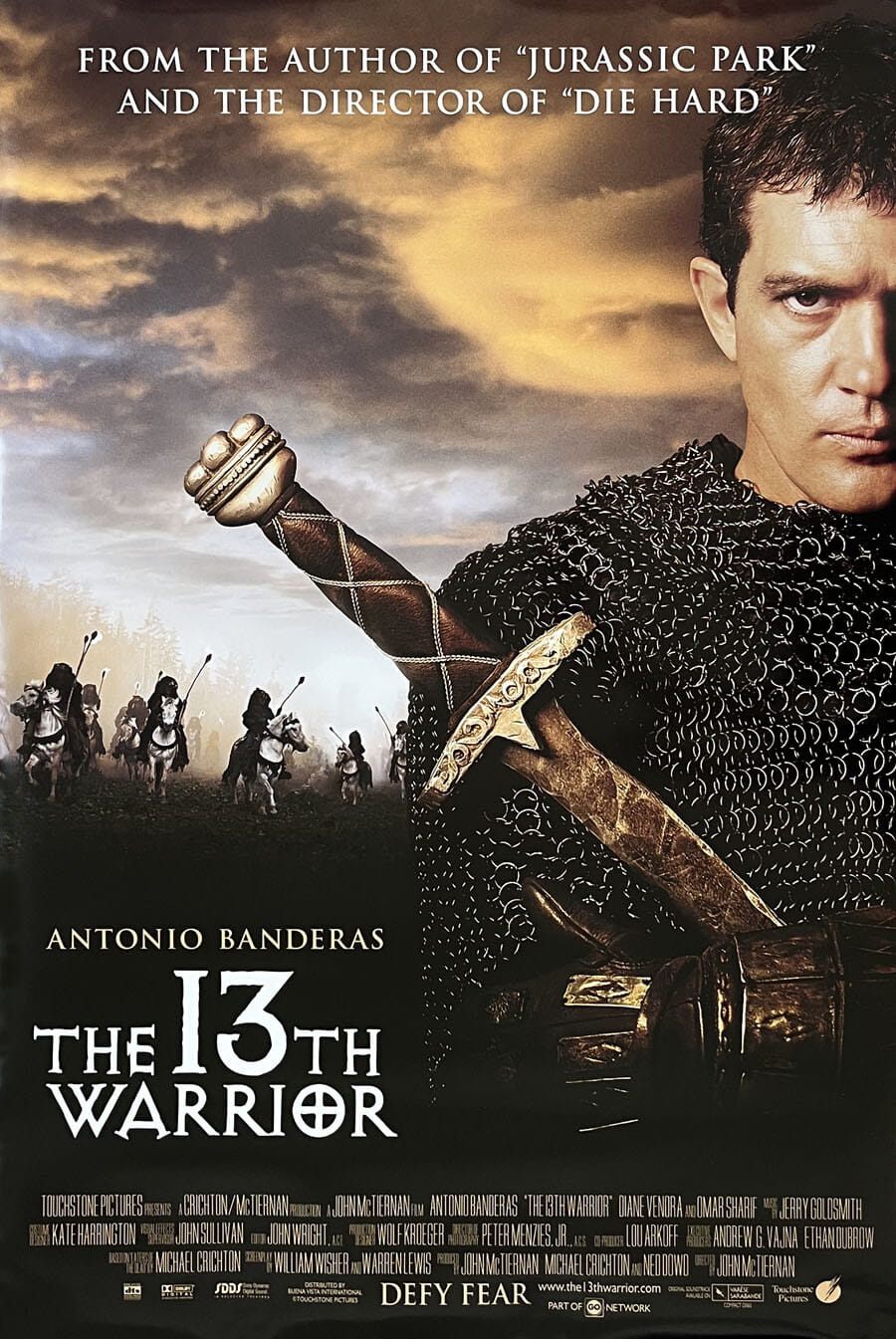 The 13th Warrior (Touchstone Pictures, August 27, 1999)
The 13th Warrior (102 minutes; 1999)
The 13th Warrior (Touchstone Pictures, August 27, 1999)
The 13th Warrior (102 minutes; 1999)
Written by William Wisher and Warren Lewis. Directed by John McTiernan
Based on the novel, Eaters of the Dead, by Michael Crichton, who also served as a producer and uncredited director.
What is it?A version of the Beowulf story, as witnessed by an aristocratic Arab who accompanies a dozen Viking warriors into battle against a mysterious army of cannibalistic cavemen.
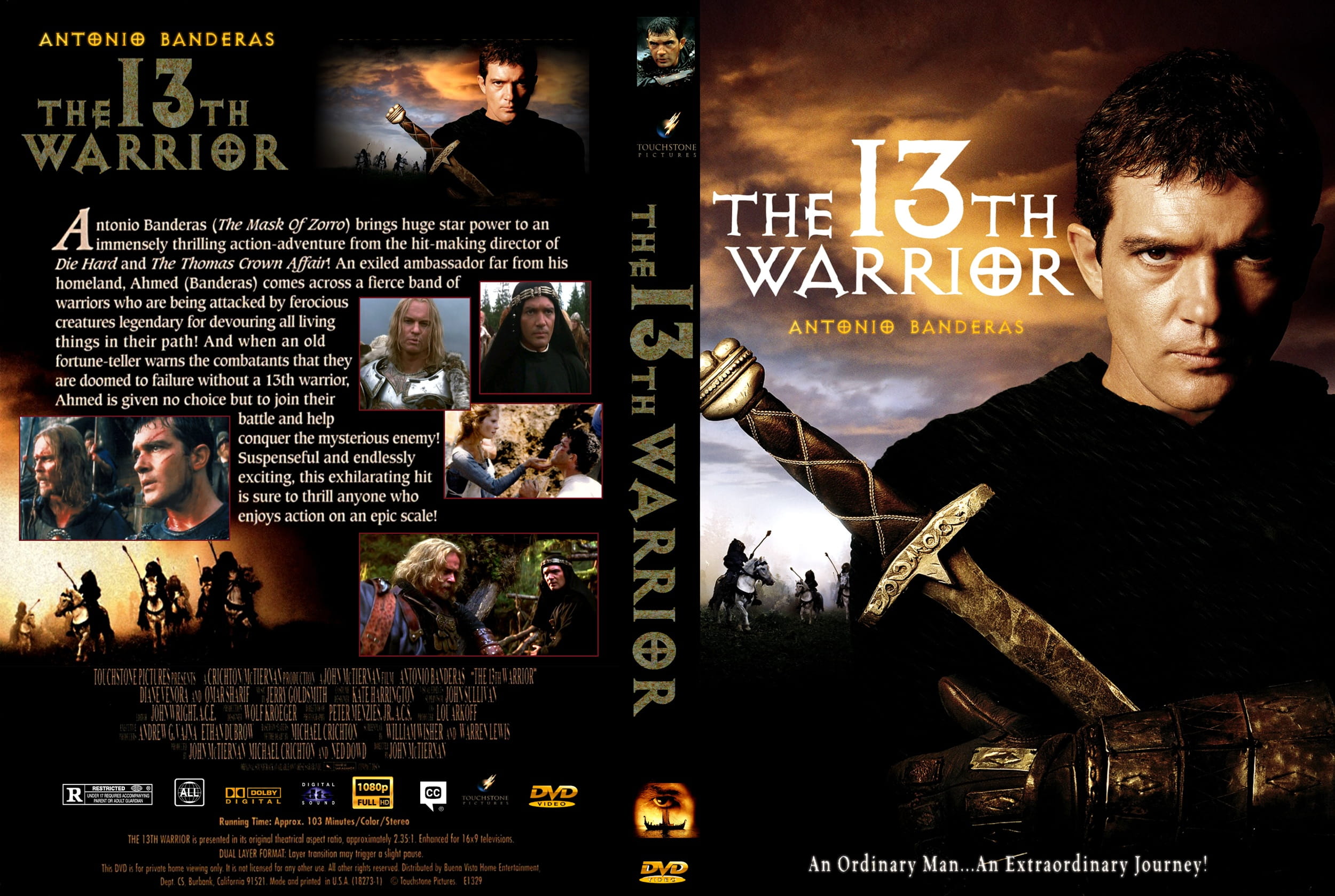
Touchstone Films produced The 13th Warrior as a vehicle for star Antonio Banderas, bringing in John McTiernan (Die Hard) to direct. When test audiences proved unhappy with the results, famed writer Michael Crichton, who had penned the novel on which it was based, took over production. He reshot numerous scenes and took a broadsword to what McTiernan had already filmed. He even went so far as to toss out the… let us be charitable and say “interesting” musical score by Graeme Revell and replace it with unquestionably great new compositions by Jerry Goldsmith. The result is a film that is uneven in places, as one might expect from having multiple cooks in the kitchen, but spectacular in others.
The studio shelved the finished product for roughly a year, before unceremoniously shoving it out under a different title and with little fanfare to theaters in the summer of 1999. There it was promptly given a Viking funeral at the box office by bigger fish such as The Matrix, The Phantom Menace and The Mummy, despite it being better than any of those.
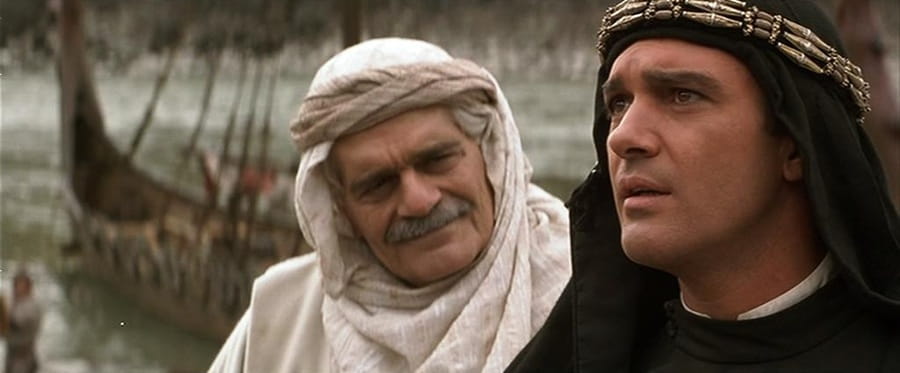 Omar Sharif and Antonio Banderas in The 13th Warrior
Banderas plays the central character, Ahmed Ibn Fahdlan, known to his Viking cohorts as “the Arab” and “Ibn.” The film also stars Scandinavian actors Dennis Storhoi and Vladimir Kulich, with Diane Venora as the queen – one of the very few female characters in the movie – and Tony Curran (Gladiator; League of Extraordinary Gentlemen) as one of the Vikings. The great Omar Sharif (Lawrence of Arabia; Dr Zhivago) appears briefly in the opening scenes as an aide to Banderas’s character.
Michael Crichton wrote the novel Eaters of the Dead in 1976 as a “found manuscript” supposedly composed by Ahmed Ibn Fahdlan, a real person who actually did journey up the Volga River and encounter Vikings during Medieval times. In Crichton’s fictional telling, the king of those Vikings is called Buliwyf, better known today as Beowulf. Fahdlan travels with them and documents their adventures.
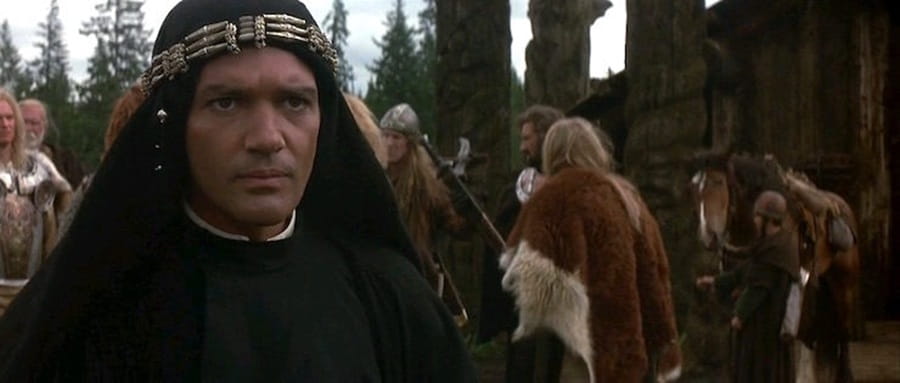
An exiled Arab diplomat (and dandy) finds himself among a group of Vikings led by King Buliwyf. He is chosen to accompany them on a journey to save a distant Viking kingdom from attack. That kingdom is menaced by a mysterious, perhaps supernatural force called “The Wendol.” (“Stop saying it,” warns one survivor of their attack, who fears even the mention of their name.)
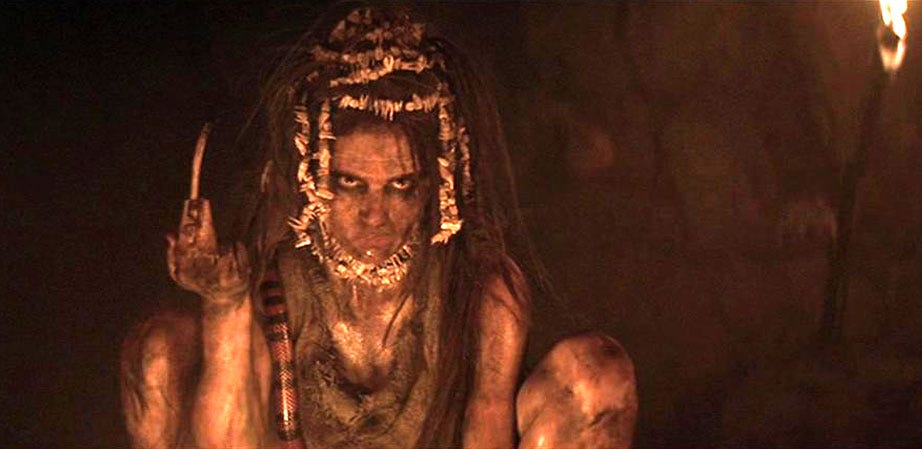
The Wendol turn out to be a group of mysterious, cannibalistic cave-dwellers. Crichton cleverly has them stand in for the “Grendel” creature of Beowulf fame, and in his novel suggests that they are from some other branch of humanity; perhaps the last of the Neanderthals, surviving into Medieval times.
During his travels and travails with the Vikings, Fahdlan grows tremendously as a warrior and as a man. He learns the Viking language, improves his fighting skills, and impresses the rugged men around him with his growing tenacity, courage and determination.
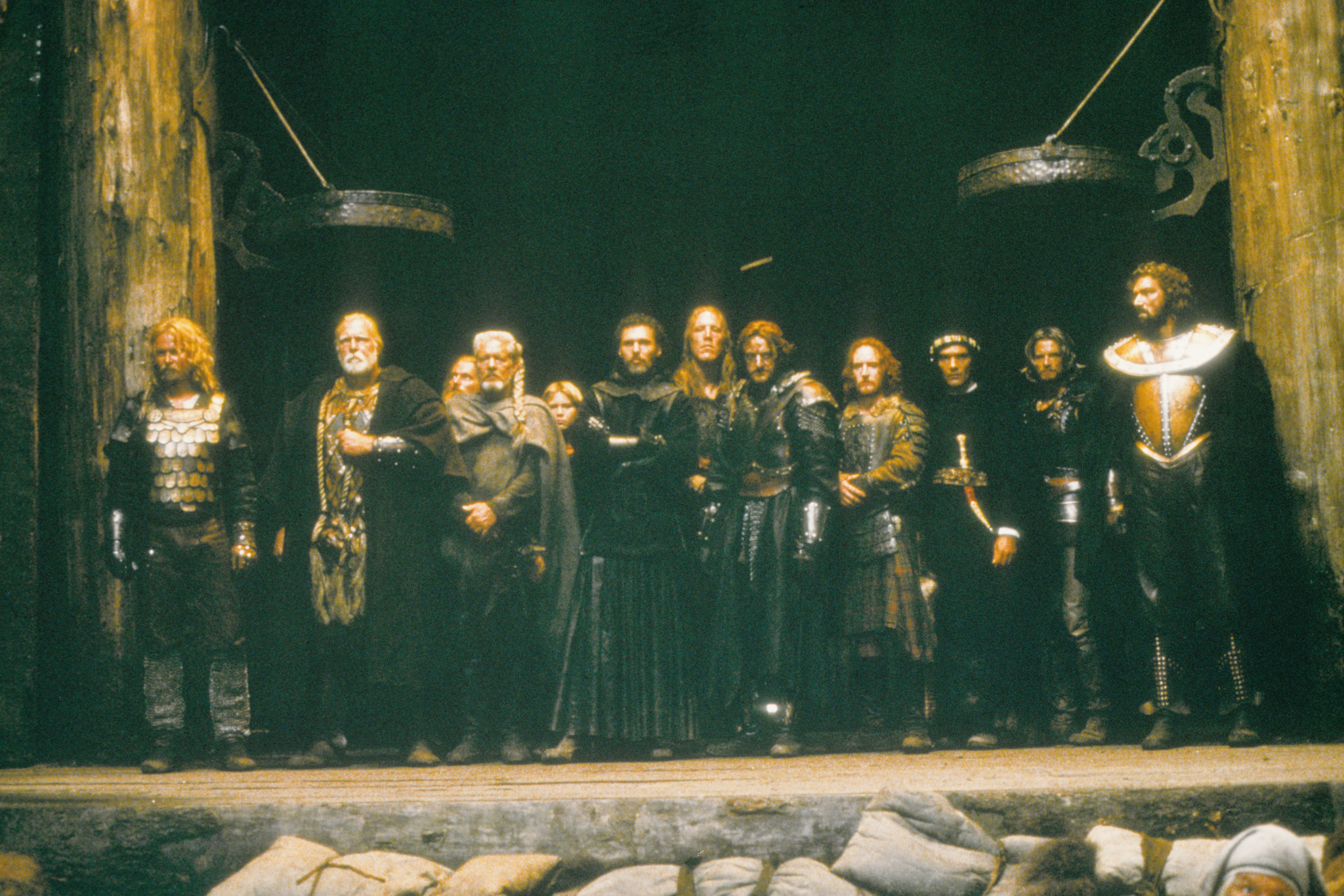
They fight off attacks by the Wendol against the Viking village, battle them deep in their creepy underground caves, and face them one last time on the surface.
At last, Ibn Fahdlan sails away for home, probably destined to chronicle the story of Beowulf. He has earned the friendship and the respect of the Vikings and, more importantly, his own self-respect.
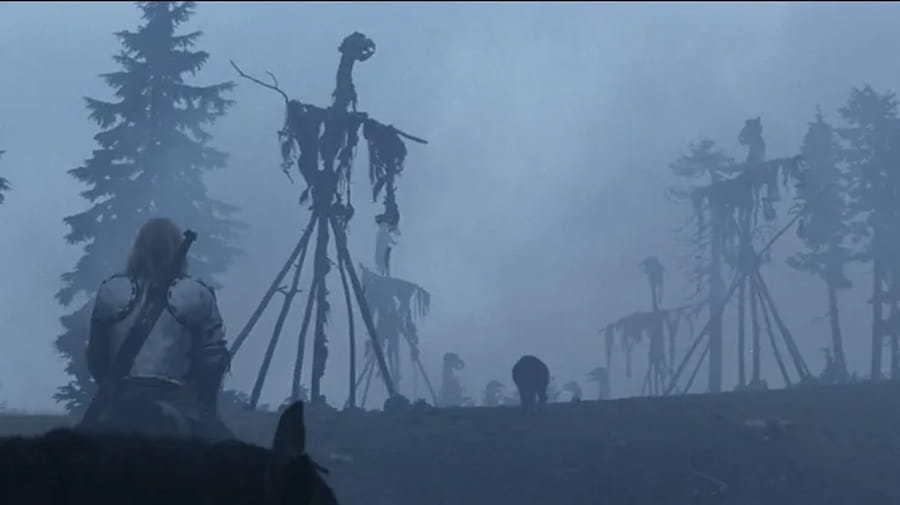
Some would argue that Fahdlan learning to speak with the Vikings so quickly, simply by listening to them during their travels together, constitutes some kind of magic. For my part, I think the movie simply doesn’t make it clear enough that an enormous amount of time passes during this journey. Time enough for the Arab to pick up the basics of their language.
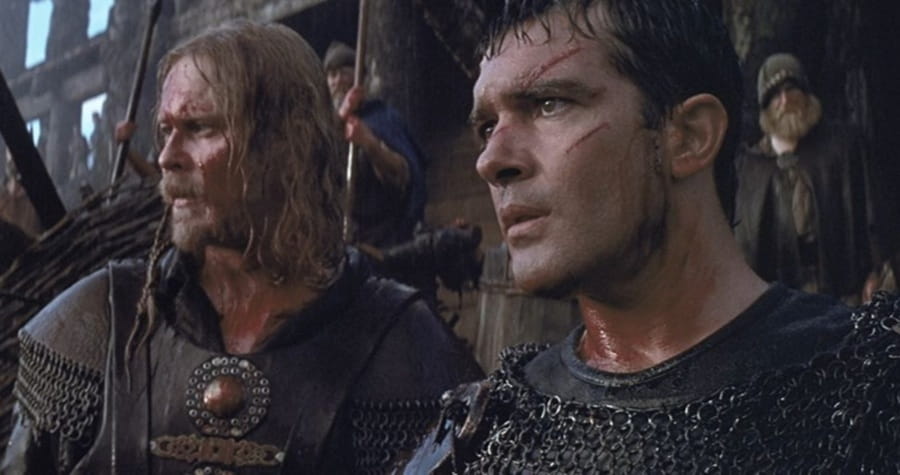
There’s sorcery by the “old woman” who rolls the bones and chooses Fahdlan to accompany the Viking squad on their mission, and there’s sorcery by “the Wendol’s mother” down in her cave. But this is all fairly light stuff. What this movie really is, at its heart, is a buddy-cop team-up quest. Fahdlan, a fish out of water (or rather, out of desert), finds himself having to accept the ways of a civilization he initially looks down on, and learn fighting skills from them, in order to survive and succeed against a truly terrifying enemy.
And we do get some fantastic battles between Vikings and cannibals! I mean, it’s not Pirates vs Ninjas, but still…!
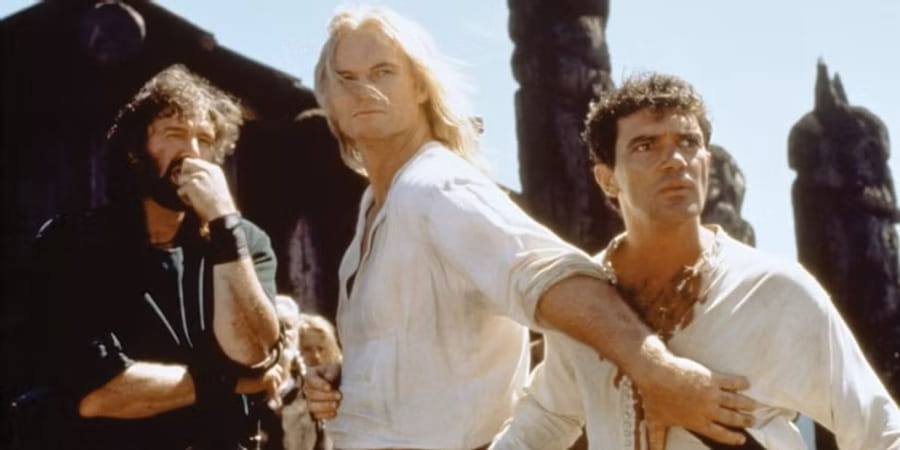
After fighting off the Wendol hordes the first time, Builwyf chooses to take the fight to them. He leads his band of warriors down into the cave network where they lurk. There we get a great set of underground battle scenes to rival those in the Mines of Moria in The Fellowship of the Ring, with climbing, running, swinging over chasms, jumping and swimming – all while being pursued by an army of cannibalistic half-men! Hell yes!
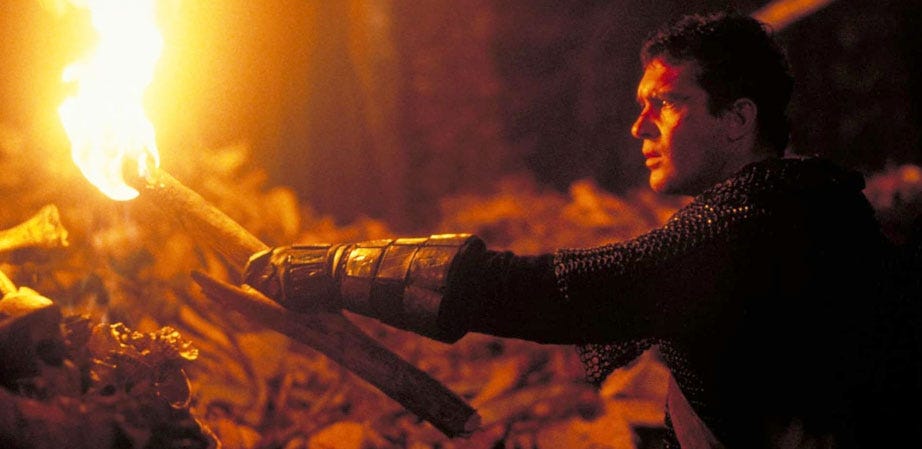
The very beginning and the final act are both uneven, resulting from rewrites and reshoots by Crichton. It’s easy to see that a great deal of the opening, including much of Omar Sharif’s time in the film, was cut. Similarly, the final battle in the village feels tacked on in a way, as if we needed to see one more heroic stand by the team, and check off the box for one more victory by Buliwyf, to properly put a bow on things.
The original McTiernan cut of this movie might well be weaker than the version we got. But I’d still like to compare them, to find out for myself who was right – if only the McTiernan cut would ever be released. That “interesting” Revell score, however, is available for listening on YouTube.
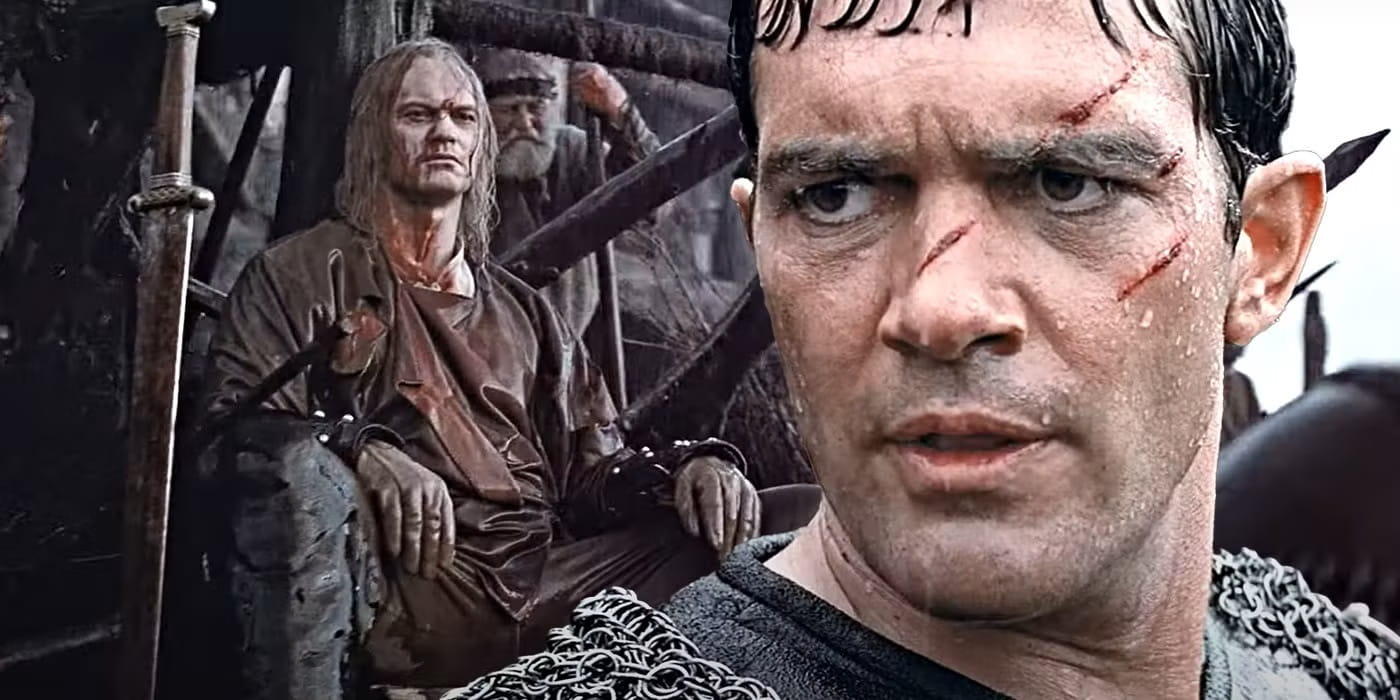
Dennis Storhoi plays the Viking translator, Herger (or “Joyous”), who befriends Banderas’s character first. His performance is indeed joyous. He brings energy, warmth and light to the film, reacting to every situation, no matter how dire, with an upbeat sense of optimistic fatalism – if that can be called a thing. In other words, his attitude from start to finish is, We’re probably all going to die on this crazy mission, but let’s have fun in the meantime!
His attitude is summed up when he admonishes a terrified Fahdlan, “Go and hide in a hole if you wish, but you won’t live one instant longer. Your fate is fixed. Fear profits a man nothing.”
Later, a Viking tosses the Arab a huge sword, and Fahdlan complains that he can’t even lift it. Herger’s response is instantaneous, his solution all too logical and delivered with a warm smile: “Grow stronger!”
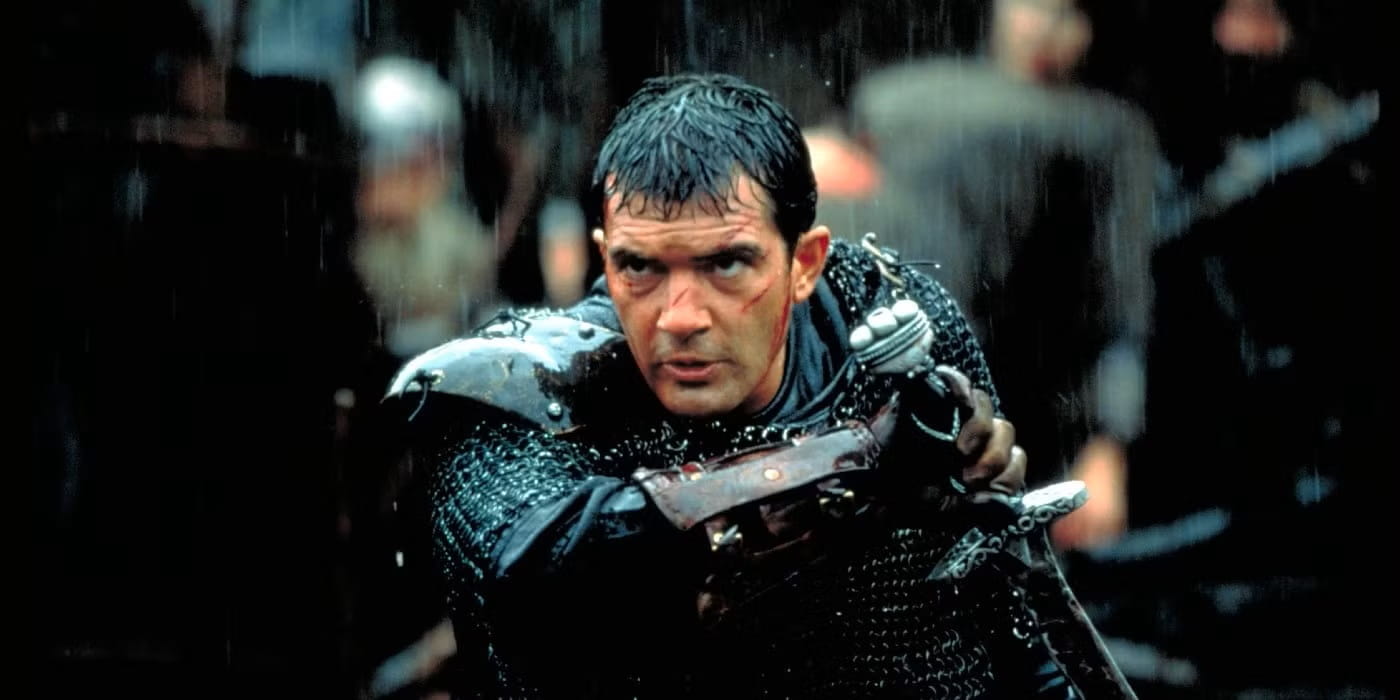
The 13th Warrior might, in some ways, be a mess of a movie. But it is a glorious, delightful, and extremely fun mess! Let’s be honest: There are many worse ways to spend a couple of hours than watching Antonio Banderas and his merry band of Vikings fight the Wendol.
The Wendol?
Stop saying it!!
Van Allen Plexico is a member of the Science Fiction and Fantasy Writers of America (SFWA), a Grand Master of Pulp Literature (2025 class) and a multiple-award-winning author of more than two dozen novels and anthologies, ranging from space opera to Kaiju to crime fiction to superheroes to military SF. Find his works on Amazon and at Plexico.net.
Categories: Fantasy Books
Review: This Kingdom Will Not Kill Me by Ilona Andrews

Buy This Kingdom Will Not Kill Me
Read Mihir's Review!
OVERVIEW/ANALYSIS: While waiting long years for the third and final book to come out in her favorite dark fantasy series, Maggie has had plenty of time to obsessively read the first two books in the trilogy. Which is why when she wakes up in an unfamiliar city, it doesn't take her long to realize she's in the world of Kair Toren - and the events of book one are just beginning to happen. With no clues as to how to return to her own world, Maggie decides she might as well try to help Kair Toren out and prevent a deadly civil war that will destroy the city and many of her favorite characters. Of course, Maggie's knowledge only helps her figure out things written in the books...and as she quickly remembers, this is a series with an unwritten ending....
This Kingdom Will Not Kill Me is a smart and engaging portal fantasy that grounds the story by taking the stakes of its fantasy world seriously. When we meet Maggie, she's been in Kair Toren for a few days, and has already come to terms with the fact that somehow, some way, she's in a fantasy setting, one that is every bit as brutal as it is portrayed in the book. Maggie doesn't try to carelessly pull shenanigans or run off to romance a tall dark handsome hero. Instead, she decides that if she accepts that this world and these people are real, then she has to do everything in her power to stop the deadly future that will destroy countless lives.
One thing I really liked about the approach to this story is that Maggie doesn't set herself up in the castle in the middle of the limelight. She decides to work from the shadows, hoping to nudge events while staying unnoticed. She rallies a crew, establishes some connections, and tries to become a credible source of information without drawing too much interest. In this game of intrigue, Maggie knows all the story threads; it's just a matter of figuring out which ones to pull.
There were a few times I felt like Maggie's "trick" of knowing things about people or events was a little overdone, occasionally making her feel like a one-trick pony as she rattles off another monologue detailing intimate knowledge of a character's backstory. But there's enough other things going on that those were minor bumps in the road. There's still so much skullduggery, blackmail, and tense negotiations that I frequently found myself forgetting that Maggie was from our world, until an occasional throwaway line would reference Netflix. It does genuinely feel like another gripping dark fantasy novel, which is key to making this story work.
The other slight hiccup was the romance subplot. While there were many parts of the romance in this book that I liked, it also started to veer into a trope that isn't my favorite. Time will tell how things play out in the long run, but I definitely preferred some sections over others.
(For those curious, this is a no spice story, and the romance subplot IS a subplot. This is not a fantasy romance.)
For a story featuring a protagonist who should know how everything is supposed to go, This Kingdom Will Not Kill Me had plenty of twists and turns. The more Maggie meddles, the more unexpected things become as events unfold differently. I have a feeling we'll be fairly off the rails when the second book comes around, and I am absolutely dying to see where things go.
Categories: Fantasy Books
THE BODY by Bethany C. Morrow
A young couple – Mavis and Jerrod – have what seems to be a wonderful marriage despite the tension that has been simmering for years between Mavis and her parents. The novel’s action kickstarts early when Mavis gets into a very bad car accident. The first oddity she realizes is that she knew the other…
Categories: Fantasy Books
Spotlight on “The Keeper” by Tana French
Titles by Tana French LitStack has spotted some other books to add to your TBR…
The post Spotlight on “The Keeper” by Tana French appeared first on LitStack.
Categories: Fantasy Books
Once We Were Spacemen
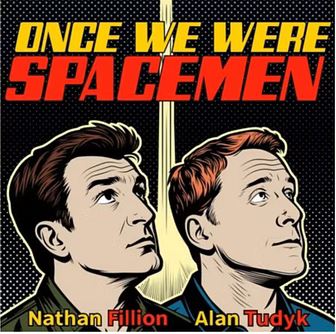 Nathan Fillion and Alan Tudyk have become geek icons. A Knight’s Tale, Castle, Dr. Horrible’s Sing-Along Blog, Resident Alien, The Rookie: they’ve built successful careers over the years. Their real-life friendship, and their nerdy idol status, tracks back to Firefly.
Some day I’ll go in depth on this ill-fated cult classic. Fox aired the episodes out of order, switched nights, then canceled it with some episodes unaired. A ‘tie up some loose ends’ movie (Serenity) followed. Firefly developed a dedicated following and Fillion and the actors became popular at fan conventions around the country. Fillion’s profile skyrocketed when Castle ran for eight hit seasons on ABC. And as his mainstream popularity soared, he became one of the most recognizable figures in the geek world.
Tudyk and Fillion had worked together several years ago on Alan’s hilarious web series, Con Man (mentioned below). Three months ago, they started a podcast together, and it’s fantastic. Episodes of Once We Were Spacemen are 45 minutes to 1 hour long, and it’s two long-time buddies hanging out. They share stories from their friendship, acting careers, and geek experiences. And they are as likable and funny as you hoped. Even more so.
There have been 16 episodes so far. It’s a two-hander about half the time, with a guest about every other show. So far, they’ve brought on Jewel Staite (FF– Kaylee), Gina Torres (FF – Zoe), Mark Addy (A Knight’s Tale), Alexi Hawley (Showrunner, The Rookie), Melissa O’Neill (Lucy, The Rookie), Seth Green (Austin Powers), Sean Maher (FF – Simon), and Summer Glau (FF – River).
There is so much laughter, so many funny stories. Their guests legit love these two guys, who seem to be genuinely awesome people. Hearing Fillion ‘make’ Tudyk get a Playstation when they became friends, so Alan could play Halo with Fillion’s buddies, on a LAN, shows these are real guys. Not Hollywood twits.
The insights into acting, and steps along their career paths, is terrific. Tudyk was an ass during one audition. And later, that very nearly kept him from getting Resident Alien. Just cool stuff.
 I only discovered this show last week, and I’m ten episodes in. I’ve loved every one. Time flies. I watch The Rookie, and Fillion talking about that with his boss, and then also with a co-star, was neat. And the bonds formed during Firefly bleeds out with those guests.
If you are a fan of either actor (and you should be), and/or one of their shows or movies, you’re gonna like this. It’s all podcast; no video. I Youtube it. They add special effects, and fill in missing info in post-edit.
I hope there’s some Dr Horrible’s Sing-Along Blog content. Maybe get Neil Patrick Harris, or Felicia Day. But I can unreservedly recommend this podcast.
UPDATE – Also, Nathan Filion is, currently, going around and visiting the actors from Firefly, in little Instagram reels. He has visited Zoe, Simon, River, and Inara. All with the message “Is it happening?” “Oh, it’s happening.”
Fillion later added it’s not a convention, podcast, or cross-over. I doubt it’s a reboot of Firefly. There are new Firefly Funkos coming out (announced last Summer). But the 2014 ones are still available. It will be disappointing if that’s all this is about. But it’s fun so far. I twas told Jewel is commenting on the reels.
CON MAN
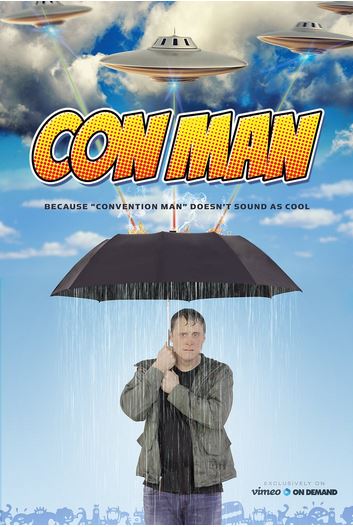
Somewhat related, I’ll talk a little about Con Man. Tudyk talks about the making of this 2015-2017 web series, which was crowd funded and cost him his agents at the time. There are 25 episodes of about 12-15 minutes each, and it’s a pure homage to sci-fi/geek fandom. There are a TON of cameos (mostly sci-fi, but Sean Astin and Lou Ferrigno have big parts, for example). It’s very much a Firefly tribute, with Tudyk and Fillion’s characters’ having starred in a short-lived cult classic called Spectrum. Season two is about a Spectrum reunion, which every Firefly fan can relate to. There’s an amusing scene where Sean Mahan (as himself) corrects Tudyk’s character: “It’s Firefly. Serenity is the movie.” And Tudyk is like “Yeah, whatever.”
Casper Van Dien keeps popping up as the bartender (in different bars), and it’s a Who’s Who of sci-fi faces. Alan’s manager, played by Mindy Sterling, is beyond insanely funny. Amy Acker, Felicia Day, Tricia Helfer – some folks are in multiple episodes.
These are short, easy to binge episodes. Tudyk is simply fantastic (he yearns to be in a Clint Eastwood Western, not this sci-fi stuff). Tudyk had a superb one-episode guest stint on Justified (no humor at all), and he references that in his character’s woes. This is a really funny show which I appreciate on multiple levels.
I’ve watched it multiple times and am still looking for cameos. I know it streams on Prime, and the Roku Channel.
OTHER PODCASTS
 I’m gonna write about two other geek podcasts (one ongoing, one dead) sometime.
The Psychologists are In is my all-time favorite podcast. It’s a dream come true. Maggie Lawson (Juliet) and Timothy Omundson (Lassiter) go through my all-time favorite show – Psych – episode by episode. Plus they do some other stuff. Partners on show, they are real life best buds, and it couldn’t come through more.
The behind-the-scenes info on Psych is priceless, and they have a slew of guests on. If a Psych fan asked for a podcast about the show, this is the best they could have hoped for. I love it.
The Friendship Onion was Lord of the Rings nerd heaven. Billy Boyd (Pippin) and Dominic Monaghan (Merry) are also real life friends who hang out together in LA. They did a video podcast which was nerd-filled fun. As a weekly feature, they had listeners suggest a food to try. They would picks something they’d never had, and record their reactions to it.
Behind-the-scenes money issues led to the show’s cancellation. Sounds like corporate shenanigans. They did well over a hundred episodes, and they really had fun. If you like the hobbits, or LoTR, you should go back and listen to the show. There’s a LOT to hear.
 Bob Byrne’s ‘A (Black) Gat in the Hand’ made its Black Gate debut in 2018 and has returned every summer since.
His ‘The Public Life of Sherlock Holmes’ column ran every Monday morning at Black Gate from March, 2014 through March, 2017. And he irregularly posts on Rex Stout’s gargantuan detective in ‘Nero Wolfe’s Brownstone.’ He is a member of the Praed Street Irregulars, and founded www.SolarPons.com (the only website dedicated to the ‘Sherlock Holmes of Praed Street’).
He organized Black Gate’s award-nominated ‘Discovering Robert E. Howard’ series, as well as the award-winning ‘Hither Came Conan’ series. Which is now part of THE Definitive guide to Conan. He also organized 2023’s ‘Talking Tolkien.’
He has contributed stories to The MX Book of New Sherlock Holmes Stories — Parts III, IV, V, VI, XXI, and XXXIII.
He has written introductions for Steeger Books, and appeared in several magazines, including Black Mask, Sherlock Holmes Mystery Magazine, The Strand Magazine, and Sherlock Magazine.
You can definitely ‘experience the Bobness’ at Jason Waltz’s ’24? in 42′ podcast.
Categories: Fantasy Books
Book review: Daughter of Crows by Mark lawrence

Book links: Amazon, Goodreads
ABOUT THE AUTHOR: Mark Lawrence was born in Champaign-Urbana, Illinois, to British parents but moved to the UK at the age of one. After earning a PhD in mathematics at Imperial College London, he went back to the US to work on a variety of research projects, including the “Star Wars” missile-defense program. Since returning to the UK, he has worked mainly on image processing and decision/reasoning theory. He never had any ambition to be a writer, so he was very surprised when a half-hearted attempt to find an agent turned into a global publishing deal overnight. His first trilogy, The Broken Empire, has been universally acclaimed as a groundbreaking work of fantasy, and both Emperor of Thorns and The Liar’s Key have won the David Gemmell Legend Award for best fantasy novel. Mark is married, with four children, and lives in Bristol.
Publisher:Ace (March 24, 2026) Length: 416 pages Formats: all
I’ll read anything Mark Lawrence writes. This is partly loyalty, partly curiosity, and partly trust. Mark never writes the same book twice. His series always feel different from each other. Daughter of Crows might also have his best cover yet (which is impressive, given how good the Library trilogy looked). It’s also his best novel so far.
Now. I love The Book of the Ancestor with my whole heart, but this? This is bloody brilliant.
Rue is the reason. She is sharp, furious, stubborn, and held together by scars and bad memories. Fantasy rarely gives us elderly female leads, and almost never ones this dangerous or this compelling. I loved watching her limp, calculate, remember, and kill. The other half of fun is figuring out who she used to be.
The book runs on two timelines: present-day Rue hunting the mercenaries who destroyed her quiet life, and past Rue being forged into what she became. The past sections take us through a childhood that would make a nightmare ask for a night-light, and then to the Academy of Kindness - a school whose definition of kindness involves death rates. One hundred girls enter. Three leave. The rest, well, they contribute to the curriculum.
Interestingly, the past sections add backstory but also continue to reframe everything. The twists are all strong, starting early and tightening as the timelines converge. You can play detective if you want; the clues are there, but chances are just when you think you’ve solved it, another revelation will prove you were wrong.
I loved how Lawrence played with mythology here. Daughter of Crows incorporates a fascinating take on Furies, vengeance cults, divine bargains, and afterlife journeys. A heady mix, but it’s done well. The world runs on old laws, older gods, and the idea that justice and cruelty might be the same blade held at different angles. That theme shows up everywhere, from the Academy’s philosophy to Rue’s own moral math.
Daughter of Crows is dark. Children die. Mercy is rare and some scenes edge into horror. At times, it makes other grimdark novels look like they brought a candle. And yet the book still finds space for dry, perfectly timed humor. My favorite line comes when Rue considers bringing proof of her kills:
“She had considered bringing the heads from Debban's hut and tossing them before her when challenged, but the brothers had been balding beneath their caps, and heads without hair were awkward to carry.”
That line tells you everything about Rue. Practical. Violent. Mildly inconvenienced by logistics.
The story moves when it should and slows down only when it matters. The violence hits hard but never feels there just for shock value. The prose is sharp and purposeful. Lawrence always seems to know when to let a moment breathe and when to end it.
I finished it with one clear thought: I may have just found my favorite book of 2026. It’s going to take something extraordinary to beat it.
Categories: Fantasy Books
Review – The Glowing Life of Leeann Wu by Mindy Hung (3/5 stars)

Reading Level: Adult
Genre: Magical Realism
Length: 299 pages
Publisher: Alcove Press
Release Date: November 18, 2025
ASIN: B0DMTN56GS
Stand Alone or Series: Stand Alone
Source: eGalley from NetGalley
Rating: 3/5 stars
“Leeann Wu’s hands have started glowing at the most inconvenient times, and the single mother and midwife doesn’t know why. Could it be perimenopause? A hallucination brought on by a lack of sleep? On top of that concerning development, her daughter is off to university in a few months, her tenuous relationship with her ob-gyn mother is in peril of cracking, and she’s attracted the attention of a younger man who sees far more than she’s comfortable with. Her hands, glowing or not, are already full.
But as widespread insomnia plagues the town and life-threatening accidents begin to pile up, Leeann discovers the glow is not an anomaly at all—rather, she’s part of a long line of women who possess a power unlike anything Leeann’s ever known. Yet, even with the cryptic clues left by her great aunt before her untimely death, Leeann has no idea how to use her new skills.
With her town in imminent danger, Leeann doesn’t have time to waste. She’ll need to make peace with her magical heritage and do whatever it takes to find out if her glow means something more—before it’s too late.”
Series Info/Source: This is a stand alone book. I got this on ebook through NetGalley for review.
Thoughts: This was a strangely timely read for me, with my son having just started college and the main character working on dealing with her daughter heading off for college. I related to the issues the main character was going through and was drawn into the story. However, the writing itself felt a bit jarring, and I didn’t love the ending.
Leeann Wu is trying to deal with her daughter leaving for college, her mother’s opinion that Leeann could be more, the attractive brother of a client who she has a crush on, and…oh yeah, her hands have started glowing. As Leeann tries to deal with life, things are crashing down around her. Accidents and depression are happening more and more as people aren’t able to sleep. Leeann and her daughter and mother have to figure out what this strange power is and if it can somehow be used to solve the insomnia gripping the town.
This story has a very magical realism feel to it rather than straight contemporary fantasy. I normally really like magical realism, but oddly for this book, that was the part of the story that felt awkward to me. I could relate to Leeann’s complicated feelings about her daughter moving away for college (having just gone through that myself). I was also drawn in by Leeann’s self analysis of her life to this point. I can sympathize with her complicated relationship with her mother. I also could relate to her feeling of being at a changing point in life where she could re-invent herself or, in her case, start a new romantic relationship after not being in one for years. However, the whole glowing hands thing was odd and never well explained. The sleeping plague was also fairly vague. I felt I never had a good handle on what was causing it, and the ending of the book left me feeling even more confused and lost about what happened.
This ended up being a fairly quick read for me; the story was engaging enough and the characters felt real. However, the writing itself is a bit awkward, disconnected, and didn’t flow that well. Additionally, the dialogue was unnatural sounding. While I eventually got used to the cadence, I didn’t really enjoy it.
My Summary (3/5): Overall this was a quick read and it was engaging. I did like how it showed a family working through a challenging time and difficult family dynamics to support each other in the end. I think this book resonated with me more because I am in a similar life stage as Leeann than it might have at another time in my life. Those positives didn’t quite offset the fact that the writing felt unnatural and the dialogue did not flow well. In addition to that, the magical realism elements to this book remain vague and unexplained. The ending left me feeling lost and confused. I probably won’t seek out another book from Hung in the future, while I appreciated the subject matter the writing and magical realism elements felt unfinished.

Categories: Fantasy Books
Book Review: Her Last Breath by Taylor Adams
I received a review copy from the publisher. This does not affect the contents of my review and all opinions are my own.
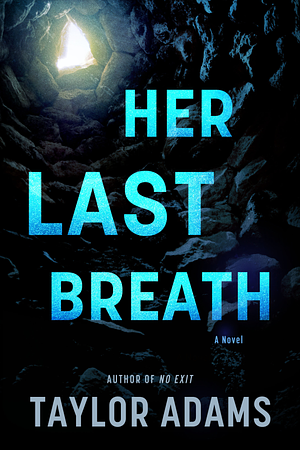 Her Last Breath by Taylor Adams
Mogsy’s Rating: 5 of 5 stars
Genre: Thriller
Series: Stand Alone
Publisher: William Morrow (February 17, 2026)
Length: 323 pages
Author Information: Website | Twitter
I now find myself frantically looking up every single book by Taylor Adams because I genuinely can’t believe I have never read him before now. Her Last Breath was my first, but it will absolutely not be my last. It’s been a while since a thriller gripped me like this; I finished this book so exhilarated I could barely catch my breath.
The story centers on two women, Tess and Allie, whose lives have been intertwined since childhood despite very different beginnings. Tess grew up in an abusive home, and it was Allie’s family who took her in and gave her the stability she desperately needed. From there, they became lifelong friends, though as adults, their paths diverged. Allie’s bold, outgoing personality led her to a career as a successful travel influencer, while Tess, who is more cautious and anxious, stayed closer to home, helping manage Allie’s accounts as a way to pay her way through law school. But after returning from a long period of jet-setting around the globe, Allie suggests a caving trip as a chance for them to reconnect, and Tess reluctantly agrees.
Things get off to a bad start when they arrive and find a strange man lingering near the cave entrance, asking unsettling questions. Then, the encounter quickly spirals into something far more dangerous. As it turns out, the man wasn’t just there by random. He has a purpose, and he’s determined that neither women will leave the cave alive. The real question is why they were targeted in the first place.
The book opens with Tess in a hospital bed, referred to as “the survivor” by the detective interviewing her. The story next alternates between this present-day interrogation and Tess’s detailed account of the women’s harrowing ordeal that occurred underground. It’s a structure that works beautifully, with information carefully revealed and sometimes deliberately withheld. I won’t say much more than this, because Her Last Breath is one of those books that’s best experienced without knowing too much. Just trust that there are plenty of surprises waiting.
The pacing is tight, and once things start moving, they do not slow down. Even the quieter, “safer” interview scenes carry tension because you can feel that something bigger is lurking beneath the surface. There’s a mystery here that won’t be revealed until it’s good and ready, and looking back, I realized all the perspective changes were planned deliberately for maximum effect. The author knew exactly what he was doing, when to give and when to hold back, when to drop a detail that makes the reader rethink everything they just read.
The cave scenes also shredded my nerves. If you’re claustrophobic, or heck, even if you’re not, I would strongly recommend asking yourself if you really want to tackle this book. The writing was so immersive, I actually felt physically uncomfortable reading it. The descriptions of the cramped tunnels, the suffocating darkness, and the cold hard rock pressing in on you from every direction are no joke. The sense of being trapped, of not being able to stand up straight or turn around or even expand your lungs to take a full breath, is so vivid that it’s hard not to feel it yourself.
I also really appreciated the character dynamics. Tess and Allie’s friendship is layered and complex, shaped by years of history but also the differences in their personalities. When met with a challenge or danger, they have different ideas on how to confront it. These emotional currents make the experience feel more personal and lead to uncertainty when questions arise. If you read a lot of thrillers, you might spot a few of the tricks Adams has up his sleeve, but honestly, even though I did catch onto some things, it didn’t lessen the fun I had with this book at all. The suspense, the atmosphere, and the execution were solid and carried the story, not to mention there were still plenty of twists that floored me.
By the end, I was in disbelief at how brilliantly everything came together. Her Last Break is tense and claustrophobic, but also incredibly entertaining. It’s the kind of book that reminds me why I love thrillers and why I will never agree to go caving in a million years. Plus, now I have a new must-read author in Taylor Adams, and I’m very happy about that.


Categories: Fantasy Books
The Translators Enriching SFF
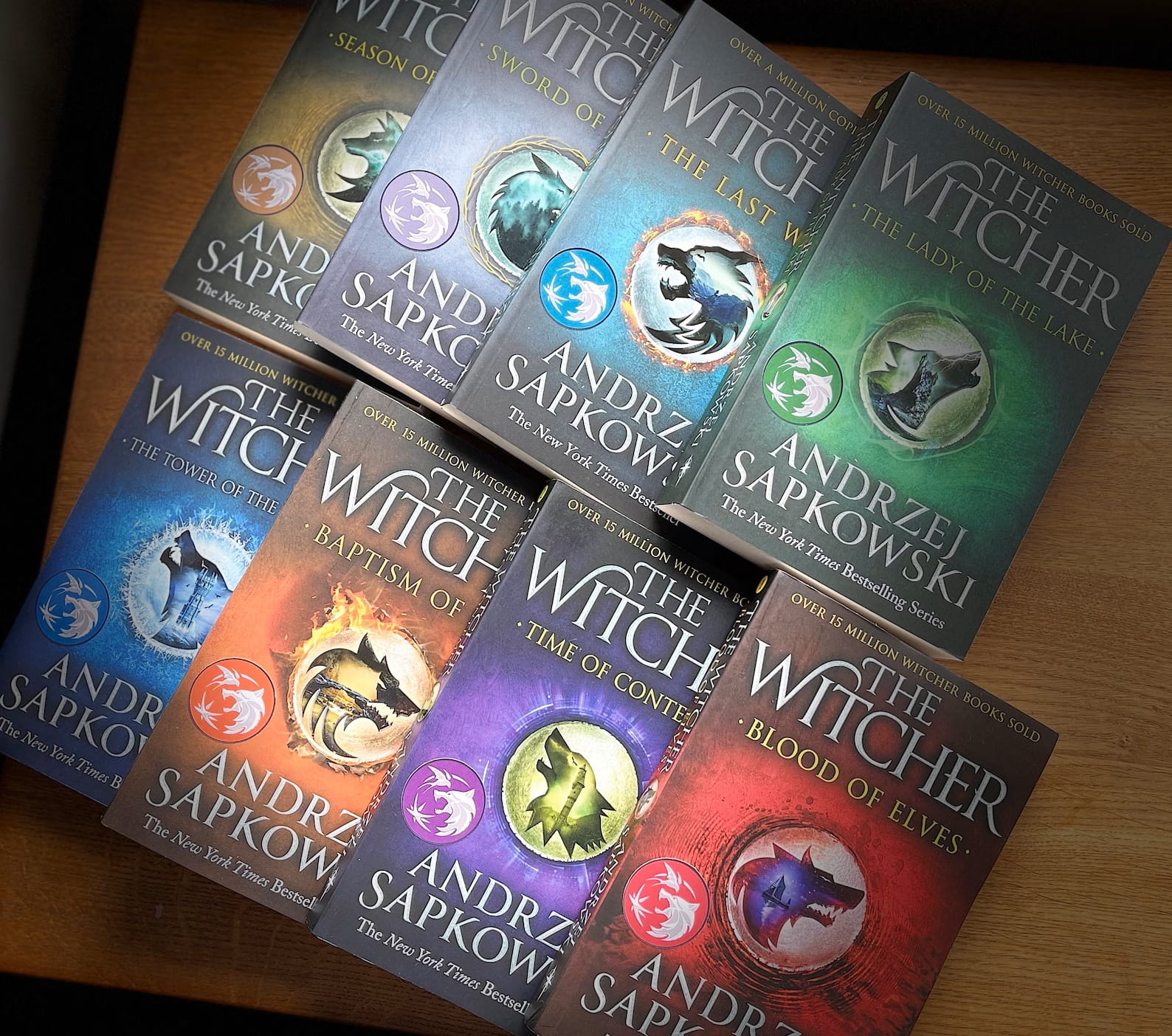 The Witcher series by Andrzej Sapkowski, translated by Danusia Stok and David French (Gollancz editions)
If there is one group of people that deserve more praise in the literary community, it’s translators. Recent years have shown us just how vital they are to our bookshelves and TBR lists. Its them we have to thank for every Roadside Picnic and Eternaut that dares to tantalize English speakers the world over.
Make no mistake, theirs is a challenging, sometimes even thankless job. The difficulty of translating an entire novel into another language should not be underestimated. Finding the right expression, the correct syntax, ensuring the lyricism of a work is properly communicated are just a few of the challenges translators face. Calling it an art of its own would be no exaggeration. And as a result of that art, we as readers, have been gifted a Smaug’s hoard of titles. Think entire subgenres, fresh visions of tomorrow, and treasure troves of inspiration. Our beloved speculative genre is so much richer thanks to the riotous rogues and deadly dames translated works have introduced us to.
Here are seven translators who have had a massive impact on the SFF community over the past two decades.
Megan McDowell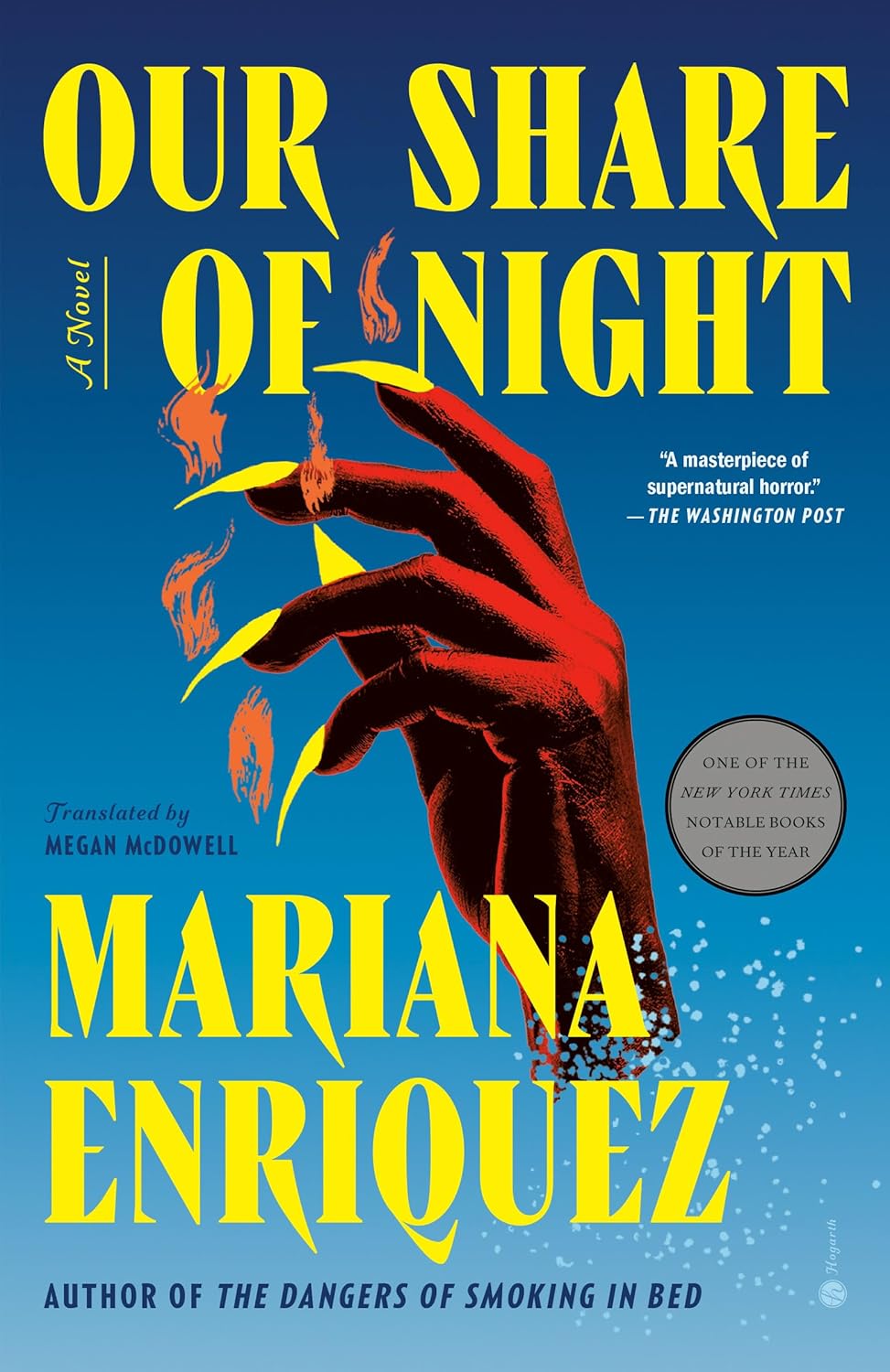
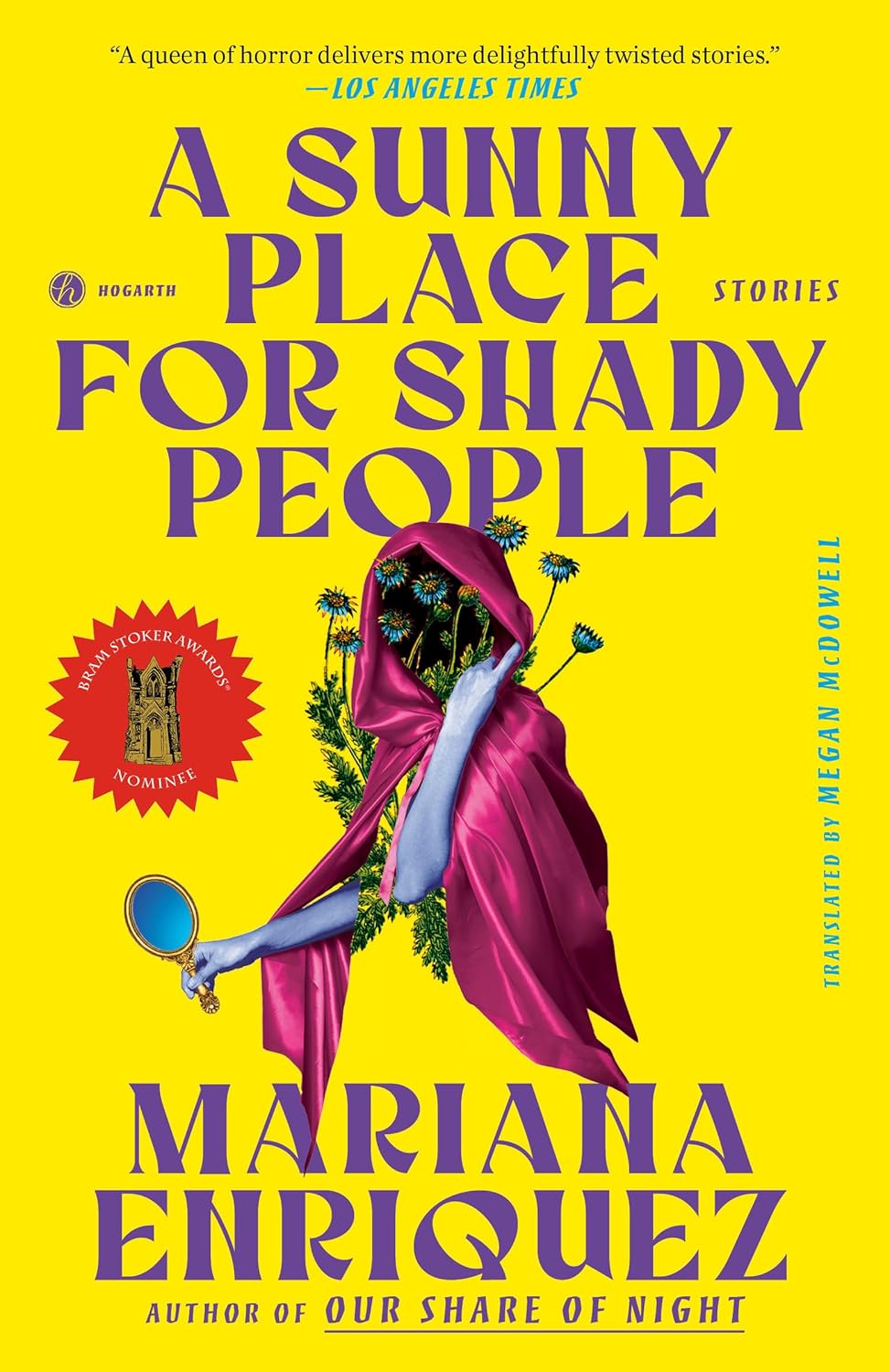
Mariana Enriquez’s work translated by Megan McDowell: the novel Our Share of Night (Hogarth,
February 7, 2023), and collection A Sunny Place for Shady People (Hogarth, September 17, 2024)
Richmond, Kentucky might seem impossibly far from the summit of Latin America’s literary world. But that’s exactly where one of the past decades most prolific translators of South American literature hails from.
Megan McDowell’s translations include long-standing collaborations with writers like Mariana Enriquez and Samanta Schweblin. It’s her work with the former where she has translated some truly remarkable speculative pieces of fiction including Our Share of Night and A Sunny Place for Shady People, which won a World Fantasy Award in 2025.
David French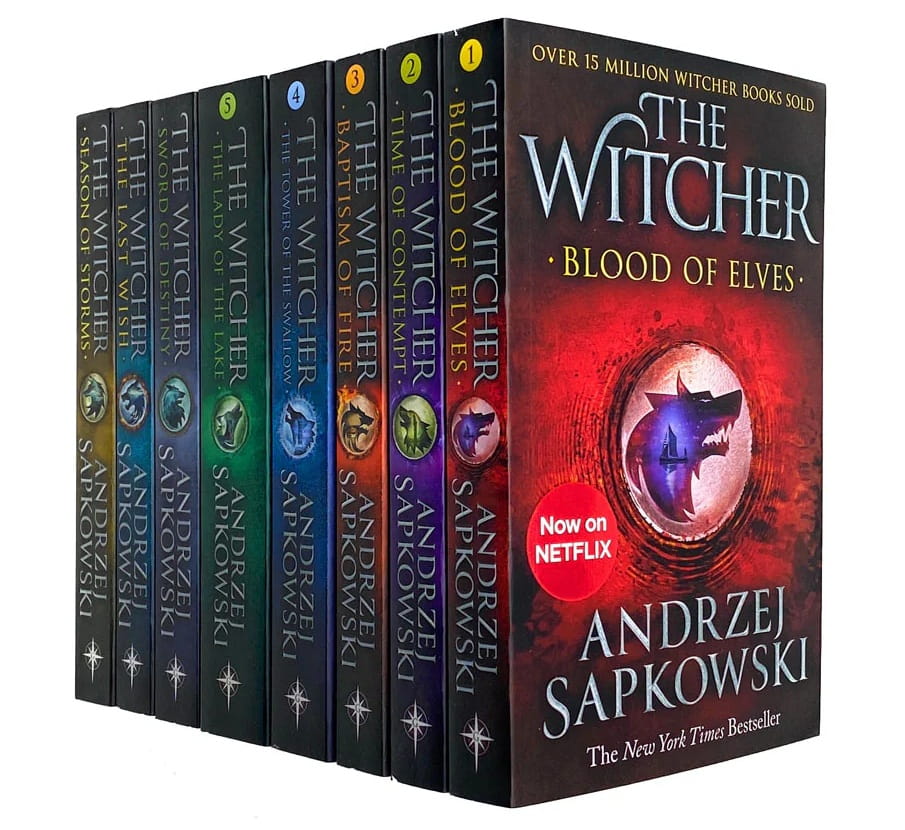 The Witcher series by Andrzej Sapkowski, translated by Danusia Stok and David French (Gollancz editions)
Few franchises of the modern era have had the staying power of The Witcher. Andrzej Sapkowski’s magnum opus has captured the imagination of millions through his much-loved books and the many games based on them. If you have read Sapkowski in English chances are you’ve seen some of David French’s work.
What has turned into a massive translation effort originally began with a young Englishman that made the fateful choice to venture beyond the Iron Curtain. That man was none other than David French. His motivation? As explained in multiple interviews, he began teaching in Poland in 1988 to learn Polish so that he could speak to his paternal aunt Marline in her native tongue.
Years of mastering the Polish language led to opportunities to work as a translator. When Witcher author Sapkowski began looking for a new translator in 2011, French leaped at the chance. He hasn’t looked back since.
To date, French has translated all but two of Sapkowski’s Witcher novels (The Last Wish and Blood of Elves being translated by the wonderful Danusia Stok) as well as the highly underrated Hussite trilogy. It is no exaggeration to say that millions of readers would not know Geralt, Sapkowski’s black humor, or the grim worlds his characters inhabit without the hard work of one man that just wanted to get closer to a loved one.
Lucia Graves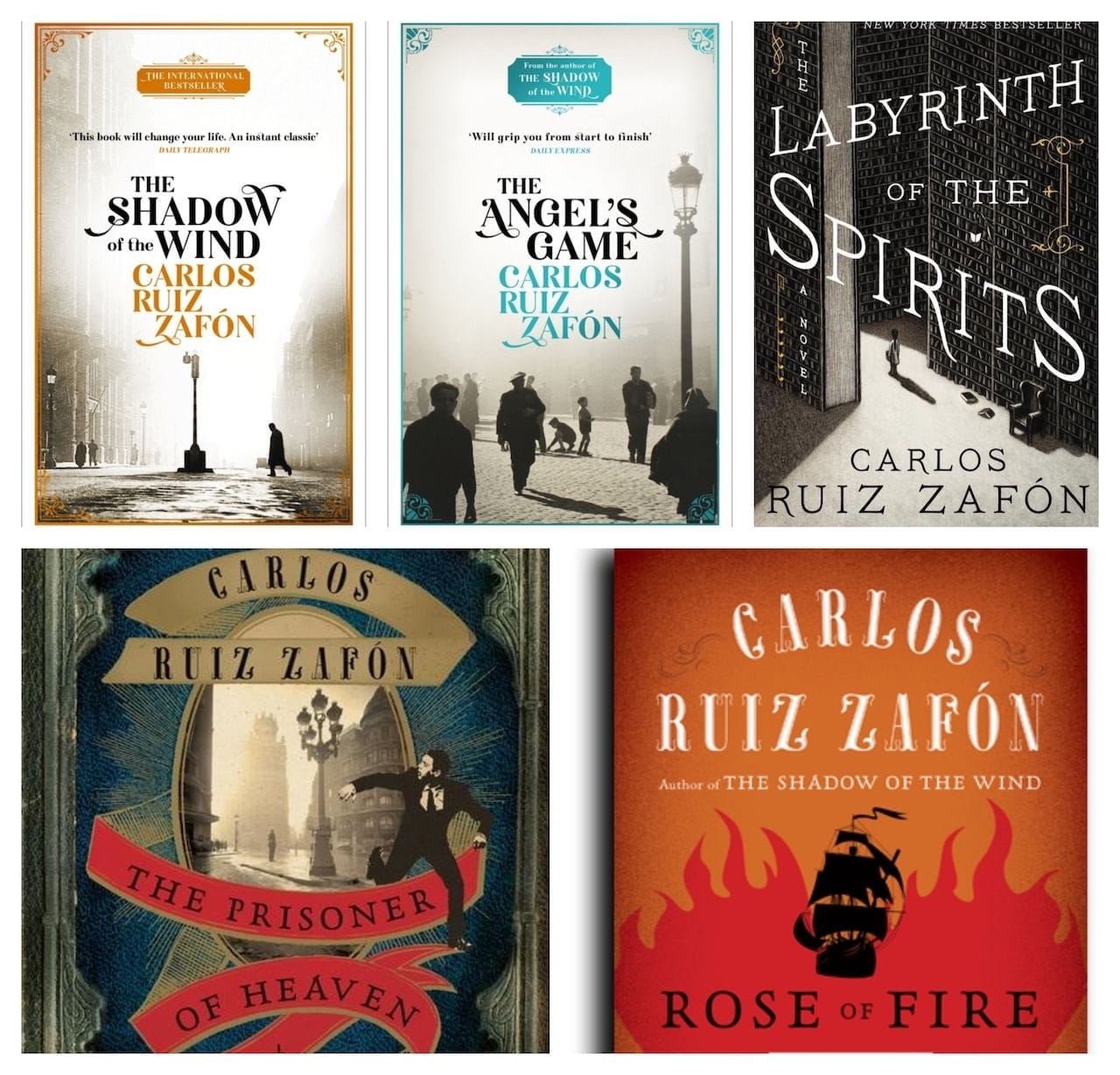 The Cemetery of Forgotten Books by Carlos Ruiz Zafón, all translated by Lucia Graves: The Shadow of the Wind, The Angel’s Game, Labyrinth of Spirits, and The Prisoner of Heaven, plus the short story “Rose of Fire.”
To understand just what makes Lucia Graves such an important translator, you first have to appreciate just how influential the late Carlos Ruiz Zafon was. Despite dying in 2020 at the age of 55, every one of the four books published during his lifetime were celebrated like special events. And every single one was translated into English by Graves.
Graves grew up in Mallorca, Spain, the daughter of legendary British author Robert Graves. According to a 1999 interview with The Independent, the younger Graves was brought up speaking English, Spanish, and Catalan. She would initially make a name for herself translating her father’s books into Spanish. While she has written many books herself, including A Woman Unknown, it is as a translator for Zafon that she is most principally known.
In 2012 she was nominated for a Science Fiction and Fantasy Translation award for her work on Midnight Palace. Since then, she also translated most of the stories in Zafon’s posthumously published book The City of Mist.
Elisabeth Jaquette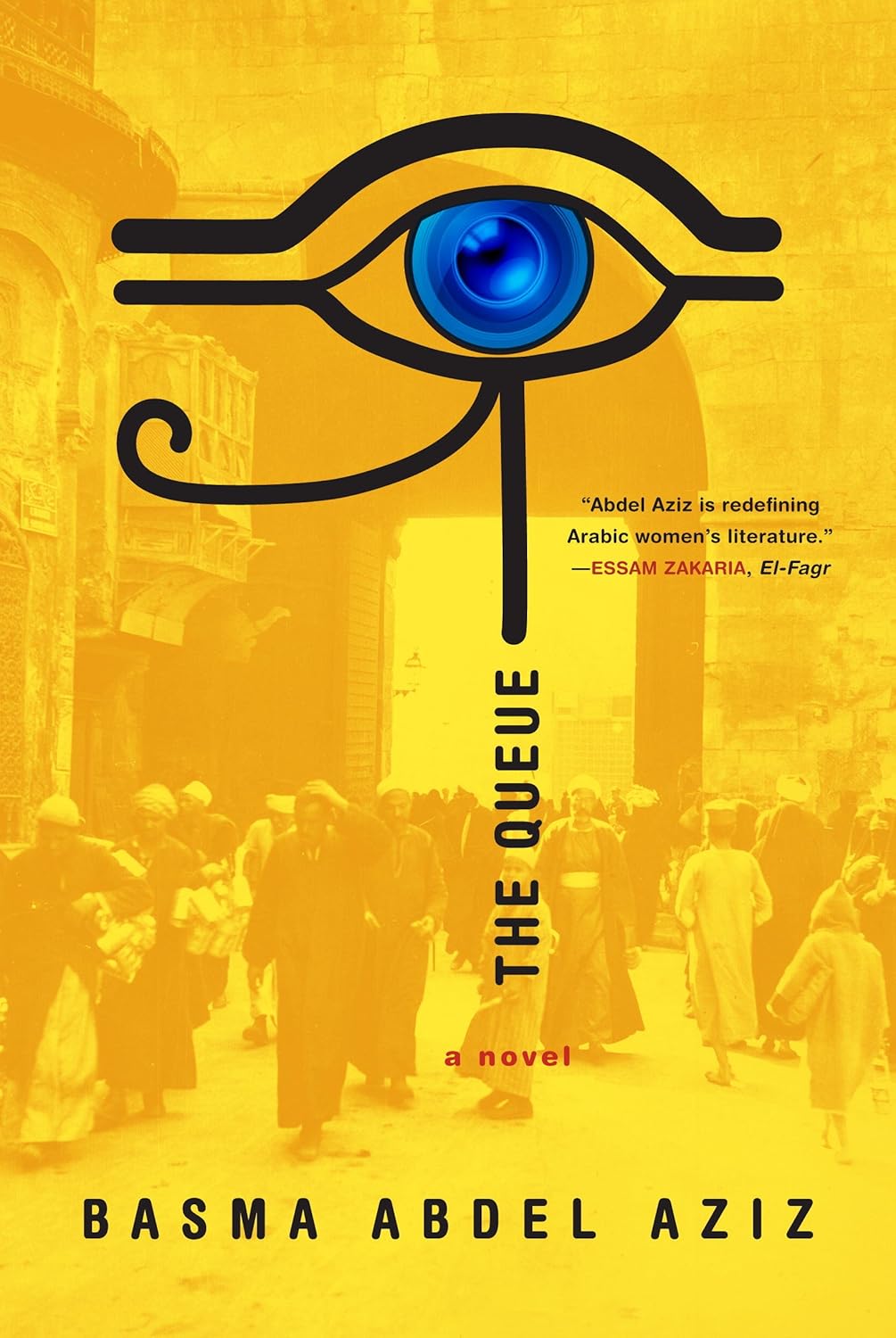
Works by Basma Abdel Aziz translated by Elisabeth Jaquette: The Queue
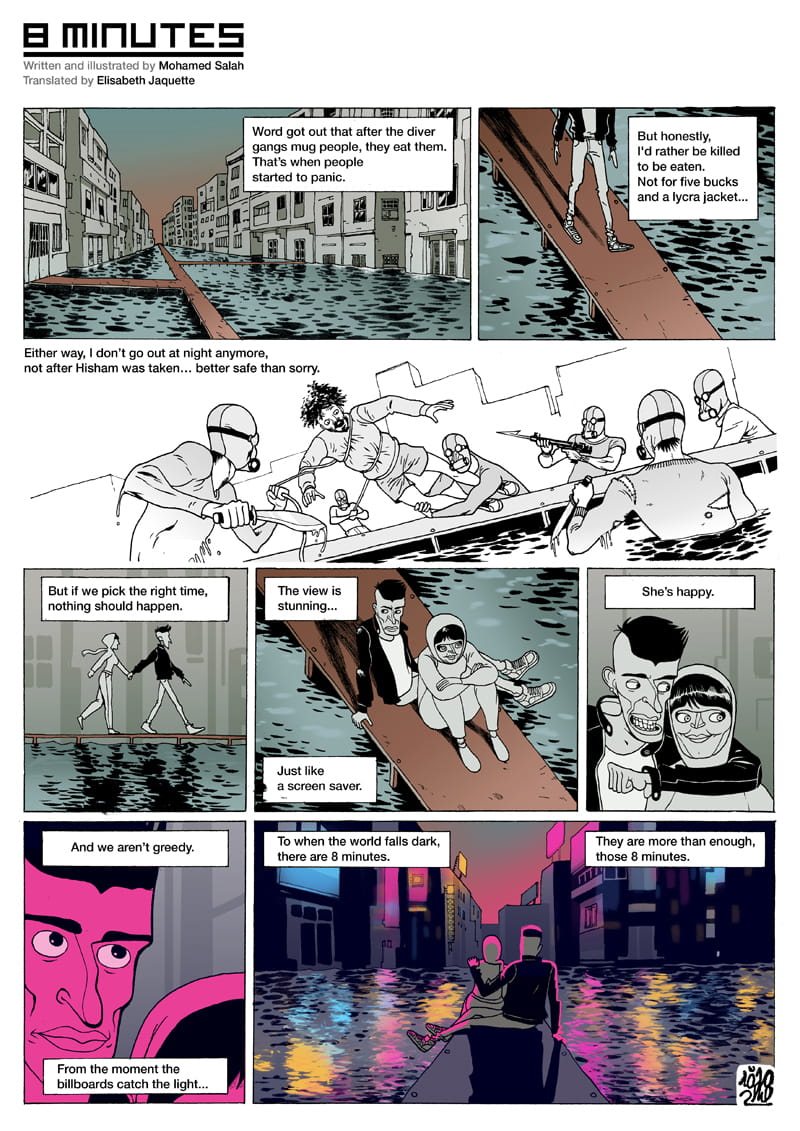
(Melville House, May 24, 2016, cover by Archie Ferguson), and 8 Minutes
The diversity of Elisabeth Jaquette’s oeuvre is impressive. Her Arabic to English translations span multiple genres from sci-fi to nonfiction to political thrillers. Many of her translations offer a window into the post-Arab Spring Middle East. Geographically, they have helped expose readers to authors from North Africa to Yemen.
In 2016, her translation of Basma Abdel Aziz’s dystopian novel The Queue received the English PEN Translates award. Another translation of an Abdel Aziz story was featured in The Apex Book of World Sci-Fi Vol.5. Other speculative works Jaquette has translated include the graphic comic 8 Minutes by Mohamed Salah.
Giuseppe di Martino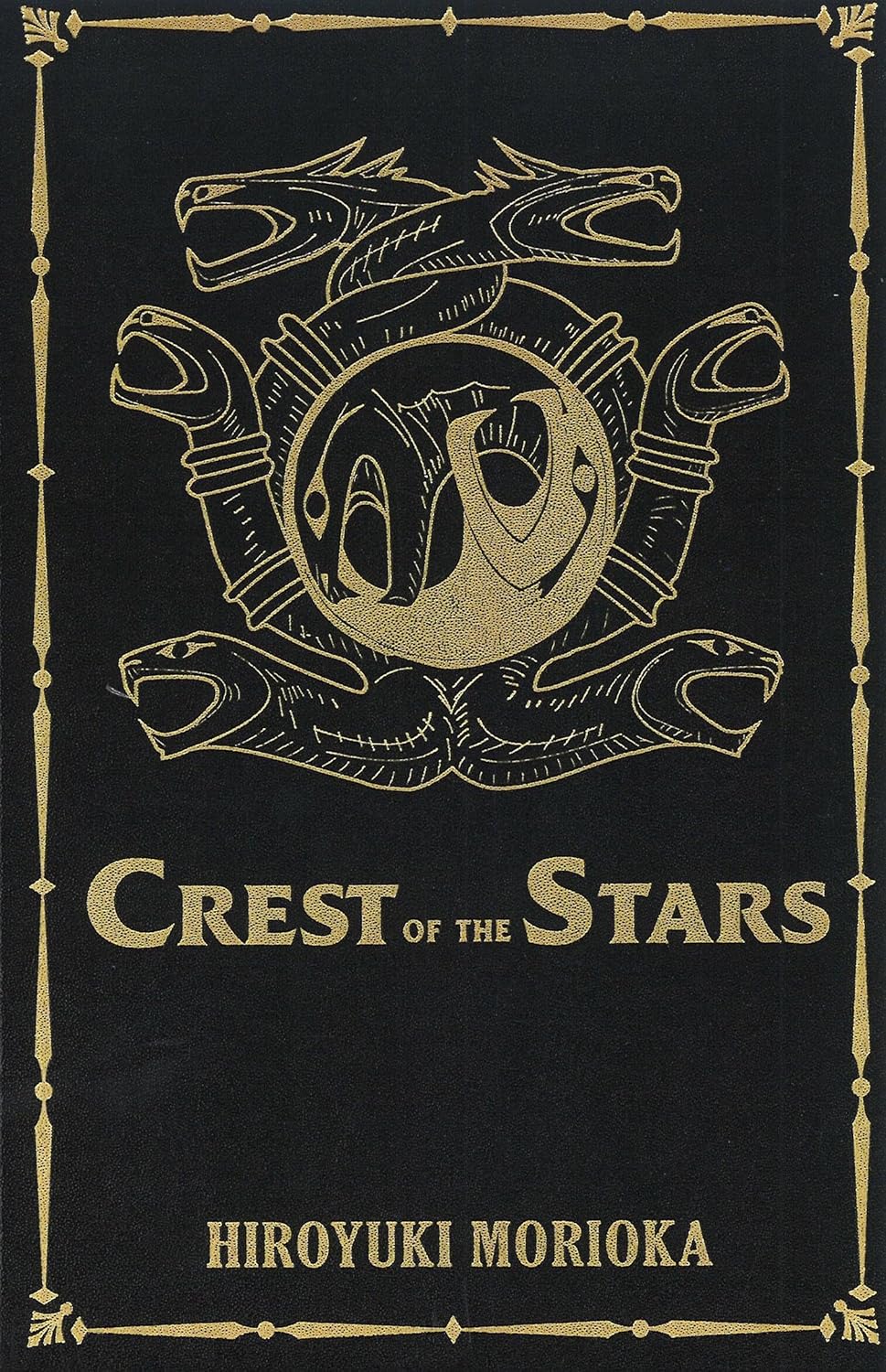
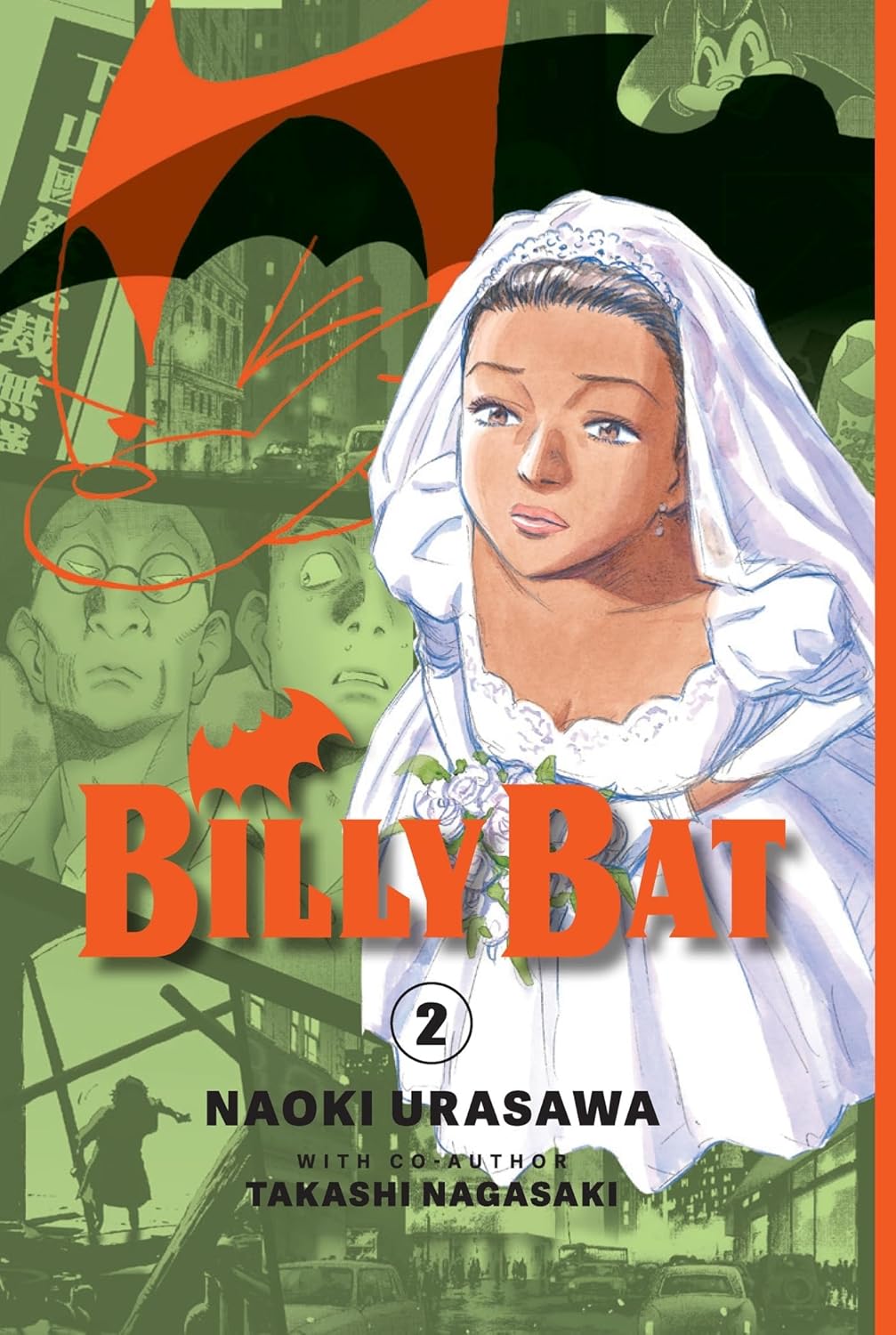
Japanese-English translations by Giuseppe di Martino: Hiroyuki Morioka’s
Crest of the Stars Volumes 1-3 Collector’s Edition (JNC, March 3, 2020), and
Naoki Urasawa and Takashi Nagasaki’s Billy Bat, Volume 2 (Kana, September 1, 2026)
The number of great Japanese-English translators of fiction is so vast, we could spend hours talking about the individuals feeding the world’s hunger for light-novels, short stories, and manga. You have folks like Yuki Tejima (translator of Mizuki Tsujimura’s Lost Souls series), Ajani Oloye (The Deer King by Nahoko Uehashi), Alexander O. Smith (All You Need Is Kill by Hiroshi Sakurazaka) and so many others.
But in terms of speculative novels, Giuseppe di Martino is definitely among the best. He’s translated several of Hiroyuki Morioka’s space operas, such as Crest of the Stars, as well as numerous light-novels. For the more manga-inclined, di Martino is the translator of one of the year’s most hotly anticipated titles, namely volumes two and three of Naoki Urasawa’s Billy Bat.
Anton Hur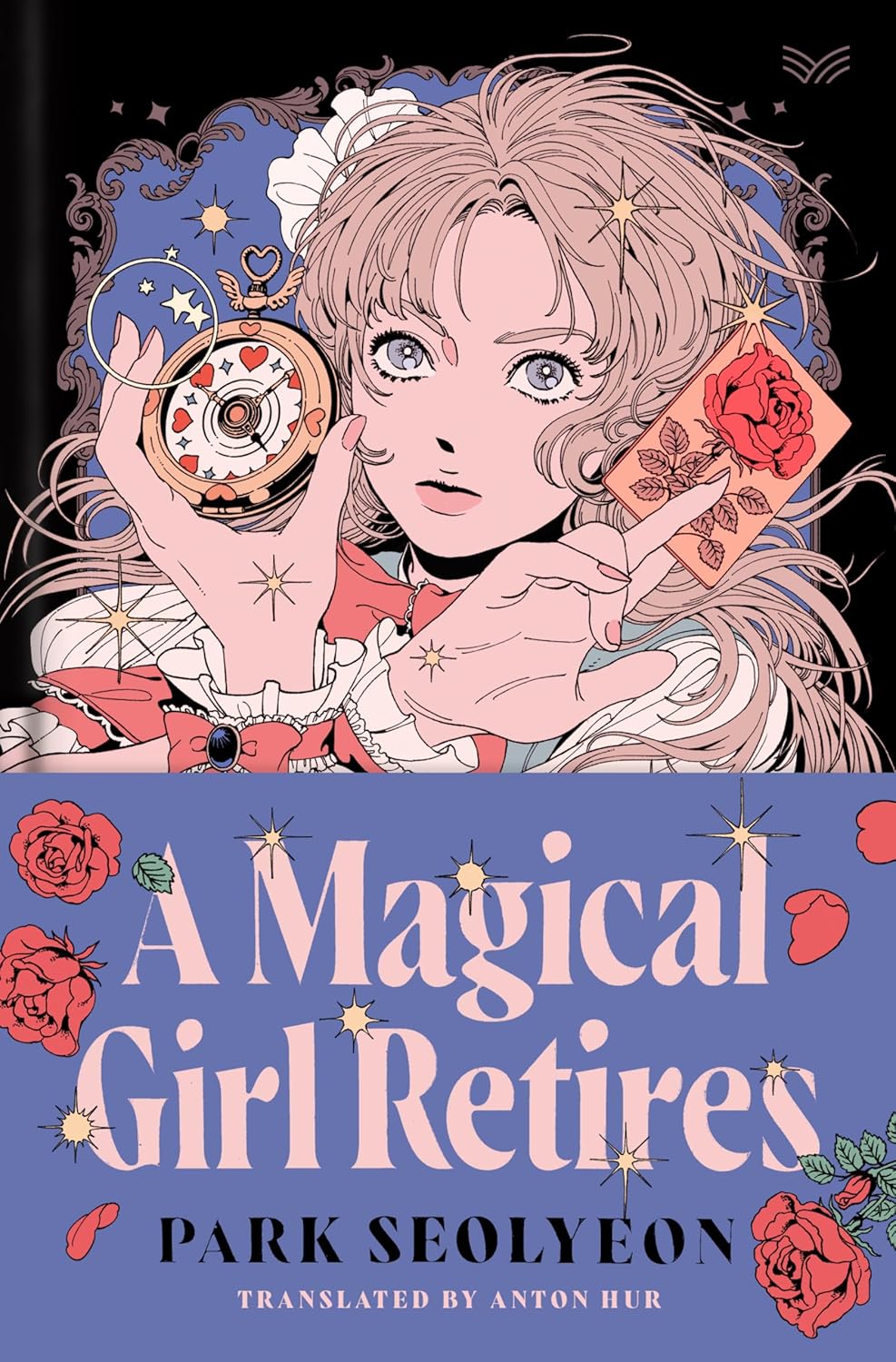

Translations by Anton Hur: Park Seolyeon’s A Magical Girl Retires (HarperVia, April 30,
2024), and Sang Young Park’s Love in the Big City (Grove Press, November 16, 2021)
South Korea has long been a heavyweight in the world of literature and when it comes to the speculative genre, Anton Hur has had a hand in translating some of the nation’s best into English. The Stockholm-born author’s CV reads almost like a ‘Who’s Who’ of South Korea’s most acclaimed works including major prize darlings like Bora Chung’s Cursed Bunny, Park Seolyeon’s A Magical Girl Retires, and Sang Young Park’s Love in the Big City.
This year we’ll have a chance to read perhaps his most ambitious translation yet when The Bird That Drinks Tears is released on June 2. As the first of four books in one of Korea’s wildly popular The Heart of the Nhaga series, don’t be surprised if the novel and Hur enjoy Witcher-levels of success.
Ken Liu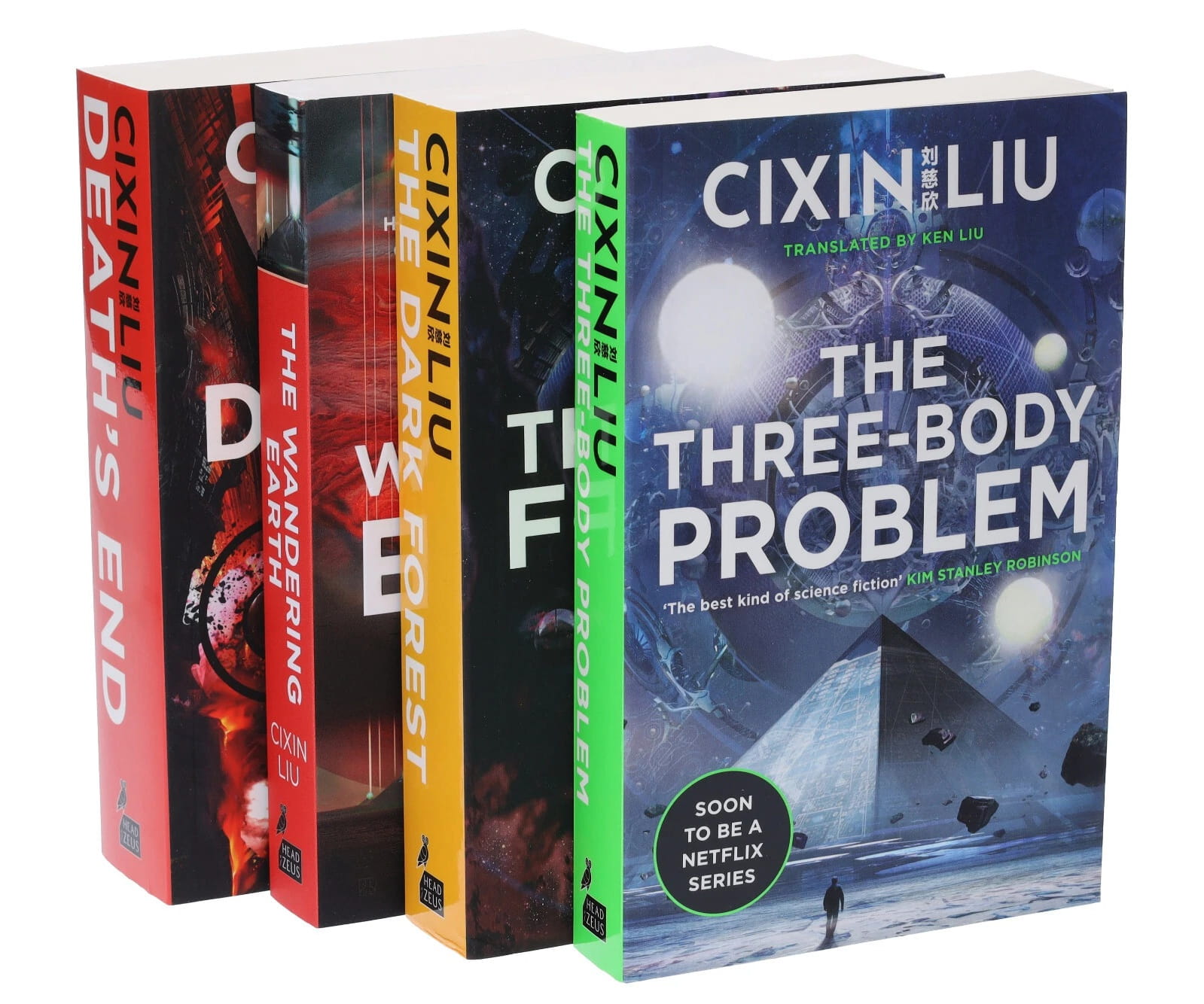 Cixin Liu’s The Three-Body Problem, translated by Ken Liu and Joel Martinsen: The Three-Body Problem, The Dark Forest, Death’s End, and The Redemption of Time (Head of Zeus Press UK editions, 2015-2017)
The author of The Grace of Kings wears many hats. His work to bring greater attention to contemporary Chinese sci-fi has been tremendous, include editing the massive anthologies Broken Stars and Invisible Planets. But most importantly for this list are the large number of translations he has done.
Fiction translated by Liu has appeared in Clarkesworld, The Best Science Fiction of the Year series, SQ Mag, Lightspeed, and Galaxy’s Edge. Some of the finest science fiction authors in China have trusted them with their work, a longlist that includes Chen Qiufan, Xia Jia, and Bao Shu.
It is as the translator of Cixin Liu’s work, however, that Ken Liu is best known. He translated the first, third, and fourth books in the best-selling Three-Body Problem series. Other efforts to bring Cixin Liu’s work to English-speaking audiences include translations of short stories such as The Weight of Memories.
What’s your favorite translated sci-fi work? Let us know in the comments below!
Ismail D. Soldan’s last article for Black Gate was Sci-Fi Dystopias We Should Learn From. He is an author, journalist, and poet. His work has previously appeared in Illustrated Worlds, LatineLit, and The Acentos Review among other publications. A proud explorer of both real and imagined worlds, some of his latest published work include The Right Kind of Royalty (on swordsandsorcerymagazine.com) and Heavenfall (in JR Handley Presents: Contested Landing Volume 2).
Categories: Fantasy Books
Monthly Review – February 2025

I started the following series:
- Quicksilver (Fae and Alchemy, Book 1) by Callie Hart (2/5 stars)
- The Faithful Dark (The Brilliant Soul Duology, Book 1) by Cate Baumer (3/5 stars)
- Mimic & Me (Mimic & Me, Book 1) by Cassius Lange and Ryan Tang, Narrated by Jeff Hays, Various (3/5 stars)
I finished the following series:
- None!
My Favorite Books of the Month Were:
- The Geomagician by Jennifer Mandula (4/5 stars)
The full list of books that I read this month are shown below:
1. Carnival Fantastico by Anglea Montoya (4/5 stars)
2. The Elsewhere Express by Samantha Sotto Yambao (2/5 stars)
3. Operation Bounce House by Matt Dinniman (3/5 stars)
4. Kirkyards & Kindness (A Rip Through Time, Book 4.5) by Kelley Armstrong (4/5 stars)
5. Quicksilver (Fae and Alchemy, Book 1) by Callie Hart (2/5 stars)
6. The Faithful Dark (The Brilliant Soul Duology, Book 1) by Cate Baumer (3/5 stars)
7. Mimic & Me (Mimic & Me, Book 1) by Cassius Lange and Ryan Tang, Narrated by Jeff Hays, Various (3/5 stars)
8. Black Butler Vol 34 by Yana Toboso (4/5 stars)
9. The Geomagician by Jennifer Mandula (4/5 stars)
Categories: Fantasy Books
Tom’s Crossing by Mark Z. Danielewski: A Really Big Book
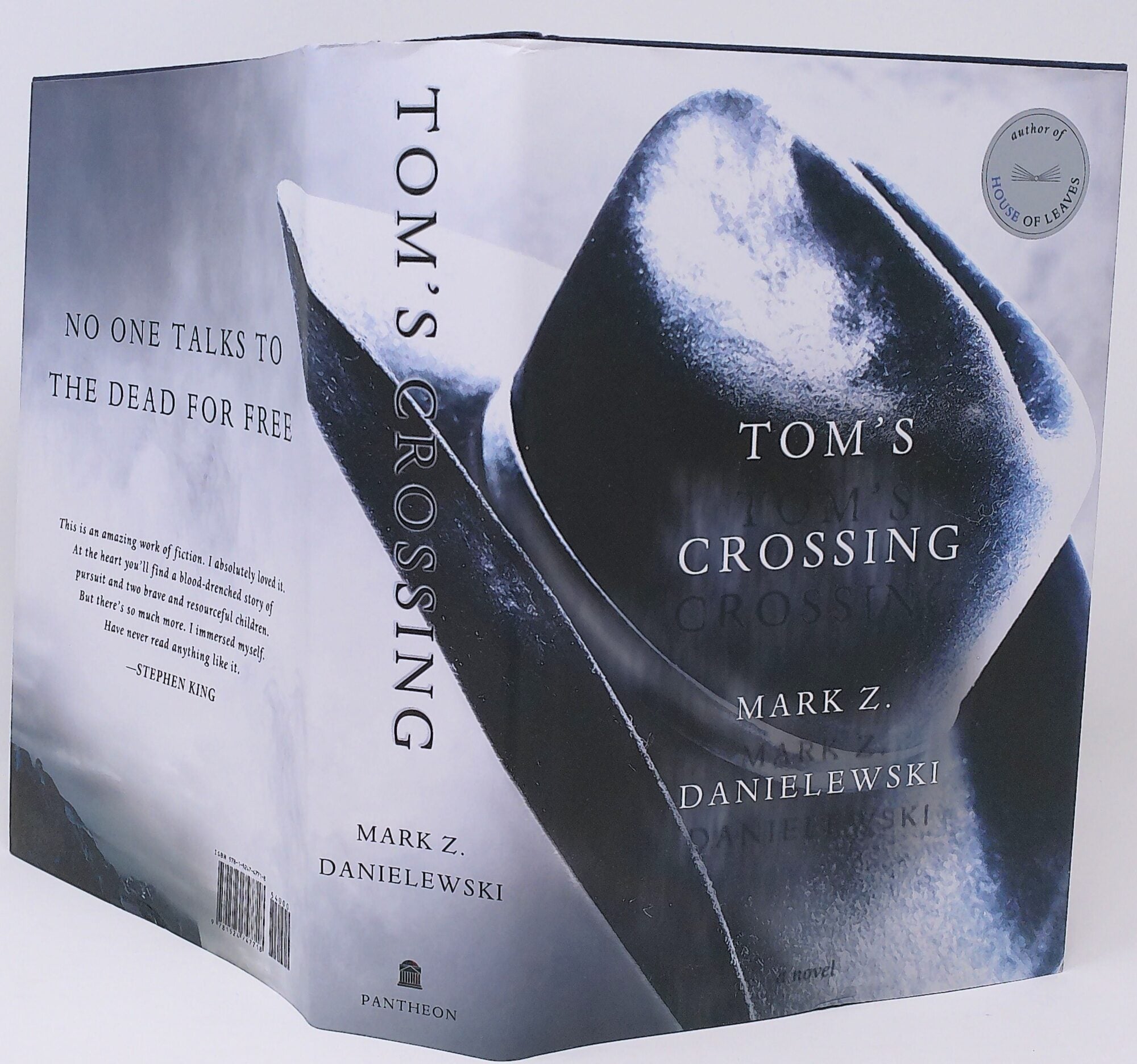
Tom’s Crossing (Pantheon, October 28, 2025)
Every now and then I reach for a copy of Anna Karenina on my TBR bookshelf, but hesitate to wonder, “Do I really have time to get into this kind of heavy reading of some 800 plus pages right now?” So far, the answer has been, “No.” I really do intend to get to it at some point because, well, it’s Anna Karenina. Just not quite now.
Why then, did I pick up the 1,227 page opus by Mark Z. Danielewski, Tom’s Crossing?
Mainly because of the one and only blurb on the book jacket:
This is an amazing work of fiction. I absolutely loved it. At the heart you’ll find a blood drenched story of pursuit and two brave and resourceful children. But there’s so much more. I immersed myself in. Have never ready anything like it.
So, despite what we know about glad-handing you-blurb-my-book and I’ll blurb yours endorsements, this is the only blurb on a book by an author with a low profile and cult status, and the if it’s genuinely that great a read for Stephen King, it’s certainly good enough for me. (And, besides, I was going on a long trip where it made as much sense to take one big book rather than several. Sorry Tolstoy.)
So who is Tom and what is he crossing?
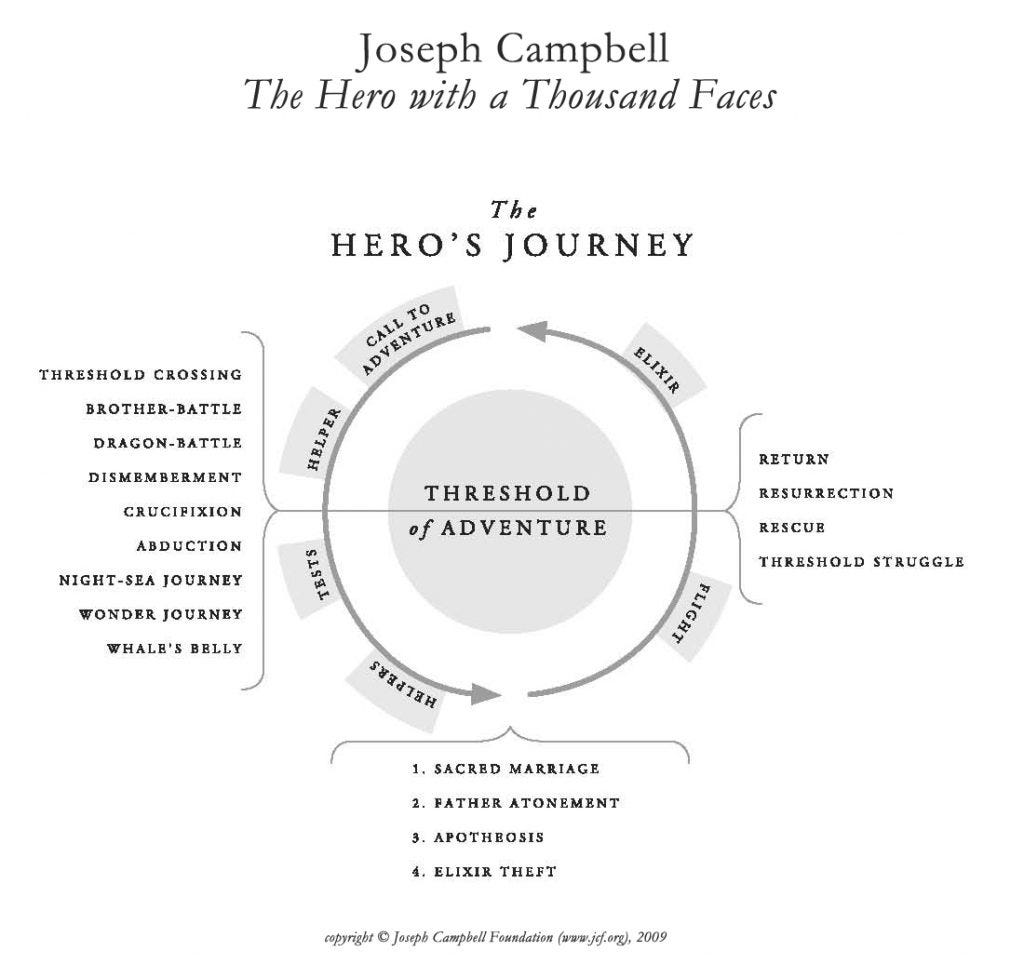
Tom is a Gatestone, a family that has a generational McCoy-Hatfield feud with the Porches. The story takes place in 1982 in Orvop (an anagram for Provo), Utah and neighboring Orem (i.e., Rome) amidst the mountains of Mt. Katanogos (Timpanagos) in the Isatch (Wasatch). Why the need for a slightly alternative universe? Possibly to convey a heightened sense of the mythological. Add to this a mild dissection of the Church of Latter-Day Saints and some Native American folklore, but, most essentially, references to Homer’s Odyssey. For, indeed, this is a hero’s trails and tribulations quest in the classic Joseph Campbell sense.
The crossing refers both to a treacherous mountain expedition to fulfill an oath as well as the transition from life to death — indeed, the eponymous Tom dies by page 37:
Tom always said he was gonna die young. The way he described it, with a glee his mother abhorred, he’d be hung up on some mighty bull, hand caught in the ropes tied by his own division, swung this way, that way, until he was broken, scraped off, gored, ground down, and finally stamped into an icy black dream, and in front of thousands too, maybe even on television, Gone like that and not even twenty-seven.
Gored by cancer rather than a bull, Tom is not entirely gone. Only his physical presence. Tom becomes a spiritual guide from the grave, albeit not all-seeing, a ghost to escort travelers to safety, even while sometimes unsure of how to get there. (So while not strictly speaking a fantasy, the ghostly presence and narrative foreboding of horrors to come — “Hard to figure how so much awful horror could have started out” is the opening line — I think qualifies it as Black Gate adjacent. Plus if Stephen King likes it, Black Gate readers should.)
On his deathbed, Tom extracts a promise from his friend Kalin March, like Tom a natural equestrian, to rescue a pair of horses set for slaughter and take them across the mountains to the safety of “the Crossin.” (The omniscient narrator, possesses a sophisticated command of English mixed with hick slang and spellings, such as dropping the “g” in “ing” ending words; somewhere toward the last 100 pages or so you’ll begin to guess who the narrator is, though how the narrator knows as much about events to which they are not present only becomes evident at the end. Note that the title page identifies the “author” as E.L.M. and to an anonymous transcription.) This request reflects how Tom had earlier rescued Kalin from a bullying attack, and that “aside from Tom, no one else welcomed him into their fold.”
Kalin is the true outsider, neither Gaestone nor Porch, the archetypical, if even a teenaged one, Western hero (the novel’s subtitle is “A Western”). Kalin is also the naive protagonist in the tradition of Huckleberry Finn, eager to do the right thing despite societal pressures to do otherwise. Indeed, Tom’s indefatigable good humor is somewhat reminiscent of the mischievous Tom Sawyer.
Tom is Kalin’s literal spiritual guide from the grave, though not all-seeing, a ghost that helps escort Katlin and the horses across the mountains to “the Crossin,” even while sometimes unsure of how to get there. (So while not strictly speaking a fantasy, the ghostly presence and narrative foreboding of horrors to come — “Hard to figure how so much awful horror could have started out” is the opening line — I think qualifies it as Black Gate adjacent.)
Navigating steep mountainous terrain during winter is a challenging enough pursuit, but further complicating matters for Katlin is the unwanted addition to the treacherous journey of Tom’s sister, Landry, who serves simultaneously as sidekick, cheerleader, adolescent crush, and, ultimately, redeemer. A rescue mission of another kind is also underway by the respective mothers of the two adolescents, who bond despite their different religious views and that Katlin is (falsely) accused of a murder and the kidnapping of Landry.
It wouldn’t be a Western without the bad guys, of which there are more than a few. The patriarch Old Porch, whose set-to-be-butchered ponies Kalin has “stolen” (it can’t get any more of a Western story than a horse rustling), in a fit of rage commits a murder he attempts to blames on Kalin. Old Porch and his for the most part equally no-good sons set out to follow Katlin, Landry and the horses ostensibly to gain vengeance and return of their property, though actually to cover up their father’s crime.
Further adding to the tales’ fabulism are constant references, sometimes including extensive description of their often unpleasant demises, to various local folks who’ve painted or sketched depictions of key events during these escapades. For example:
Both Marsha Taylor, a baker, and Lou Keele, a florist, would in 1985 admirably render this moment on thick sheets of cotton paper, watercolors for Marsha, colored pencil for Lou…
These works of arts at some point go on display, are destroyed in a fire, and somehow resurrected as part of a memorial art show. There are also re-enactment ceremonies of the Crossing events among the “many commentators”:
Not entirely on their own in the creative retellins, rants, iterative speculations, and musins regardin the events that transpired in and around the Isatch Canyon and Katanogos massif that late October in 1982.
These “musins”serve as a sort of Greek chorus, lamenting how fate dictates bad outcomes that could have been avoided, if only if:
Kay Shroeppel would many years hence, and in an empty theater in Helsinki, in 2028 in fact, declare to her friend Gaylene Zobell, who was just then visitin from Belgrade, Serbia… that if only Old Porch had embraced his thespian inclinations, he might’ve lived a more fulfillin life.
And because this is a Western, there is a stolen gun of seeming worth. And in keeping with Chekov, since there is a gun, it eventually goes off.
How the narrator somehow knows all these things and the way they are conveyed may prove annoying to some readers. And given that this is the proverbial doorstep of a book, these readers might be inclined to abandon the journey.
That would be their loss. Like another not always easy-to-read novel, Moby Dick, the hunt must be seen to its conclusion. As any worthy journey must.
David Soyka is one of the founding bloggers at Black Gate. He’s written over 200 articles for us since 2008. See them all here.
Categories: Fantasy Books
“The Marriage Plot” and “Thief River Falls”
Hey LitStackers! Here’s a Double LitStack Rec, of two wildly good reads, The Marriage Plot…
The post “The Marriage Plot” and “Thief River Falls” appeared first on LitStack.
Categories: Fantasy Books
BETWEEN TWO FIRES by Christopher Buehlman
Well, you can’t say that reading Fantasy genre books is ever boring. Having last read and reviewed a lovely book involving magic and cats at a cat shelter, this novel is a bit of an about-turn. Between Two Fires is in the publisher’s details described as a story of medieval horror. For those of a…
Categories: Fantasy Books
Forgotten Authors: S.P. Meek
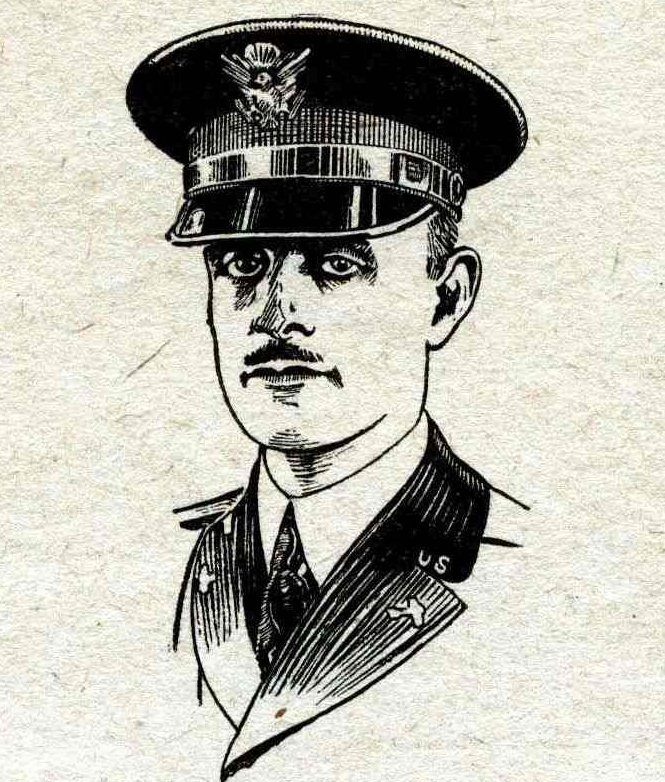 S.P. Meek
Sterner St. Paul Meek was born in Chicago, Illinois on April 8, 1894. He earned as associate of science degree from the University of Chicago in 1914 and continued his education at the University of Alabama, becoming a member of Phi Beta Kappa and earned a bachelor of science in metallurgical engineering. In 1916, he transferred to the University of Wisconsin, but joined the army in 1917. Although he attended the Massachusetts Institute of Technology between 1921 and 1923, he remained in the army for his entire career.
While attending college, he also served as a football coach at Kirkley Junior College in Texas, as a chemist for the Western Electric Company, and at Deuvitt Laboratories, all of which went by the wayside when he joined the military. Originally stationed in the Philippines, he would go on the direct small arms ammunition research from 1923 to 1926, serve as the chief publications officer for the Ordnance Department from 1941-1944. He retired from the military in 1947 due to disability. He holds patents for tracer ammunition.
Meek married Edna Burnadge Nobel in 1927 and the couple had one son.
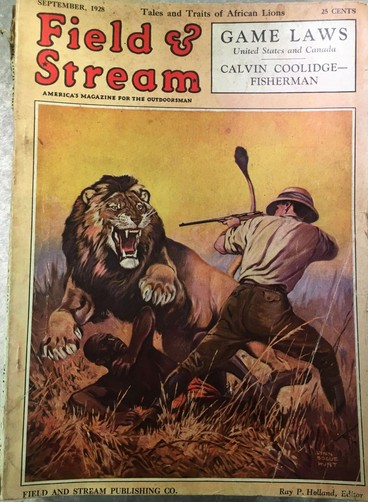 September 1928 Field and Stream
Meek’s first story, “Taming Poachers” to Field and Stream of all places, and it appeared in the September 1928 issue. His first story of genre interest, “The Murgatroyd Experiment,” was published in the Winter 1929 issue of Amazing Stories Quarterly and dealt with the issue of overpopulation in the year 2060. Given that Meek often used his rank as part of his byline, it isn’t surprising that he also wrote about the future of warfare, with “The Red Peril” and “The Last War” exploring germ warfare between the Soviet Union and the United States.
Many of his stories published between 1930 and 1932focused on Doctor Bird and the Bureau of Standards. Although Meek wrote fifteen stories in the series, only eleven were included in the 2010 collection The Astounding Adventures of Dr. Bird.
Meek wrote mostly at short length, although two of his works, were serialized novels. The Drums of Tapajos appeared in Amazing Stories between November 1930 and January 1931, and its sequel, Troyana, was published in Amazing Stories from February through April 1932. These novels were a lost race series set in Brazil.
During his lifetime, there was only one collection of Meek’s stories, The Monkeys Have No Tails in Zamboanga, which included fourteen of his humorous stories and was published in 1934. Two other stories were published in Arctic Bride in 1944, which only ran to 36 pages.
In addition to his science fiction, Meek published a series of animal books for children, beginning with Jerry: The Adventures of an Army Dog. He published about twenty books along those lines by 1956, including Midnight: A Cow Pony, Surfman: Adventures of a Coast Guard Dog, and Pierre of the Big Top: The Story of a Circus Poodle. He also published the nonfiction So, You’re Going to Get a Puppy in 1947.
Readers could follow Meek’s advancement through the army. From 1929 through the start of World War II, his byline indicated he was Captain S.P. Meek. After the war his byline changes to indicate he had obtained the rank of Major, and by the 1960s, he was Colonel S.P. Meek.
According to Julius Schwartz and Mort Weisinger, writing in 1933, some of Meek’s stories were revised and polished by Laurence D’Orsay, a professional literary critic, who died in 1947. D’Orsay also ran a literary agency and in the mid-1930s, he employed Henry Kuttner. A writing course D’Orsay ran helped spur Leigh Brackett’s writing career. In Silent Interviews: On Language, Race, Sex, Science Fiction, and Some Comics, Samuel R. Delany used Meek’s writing as an example of writers who were “unbelievably bad,” comparing him to other authors like Stanley G. Weinbaum who was “extraordinarily fine” and Edward E. Smith who “while bad, still had something going.”
Meek died on June 10, 1972 in Palm Beach, Florida.
 Steven H Silver is a twenty-one-time Hugo Award nominee and was the publisher of the Hugo-nominated fanzine Argentus as well as the editor and publisher of ISFiC Press for eight years. He has also edited books for DAW, NESFA Press, and ZNB. His most recent anthology is Alternate Peace and his novel After Hastings was published in 2020. Steven has chaired the first Midwest Construction, Windycon three times, and the SFWA Nebula Conference numerous times. He was programming chair for Chicon 2000 and Vice Chair of Chicon 7.
Categories: Fantasy Books
Book Review: Agnes Aubert’s Mystical Cat Shelter by Heather Fawcett
I received a review copy from the publisher. This does not affect the contents of my review and all opinions are my own.
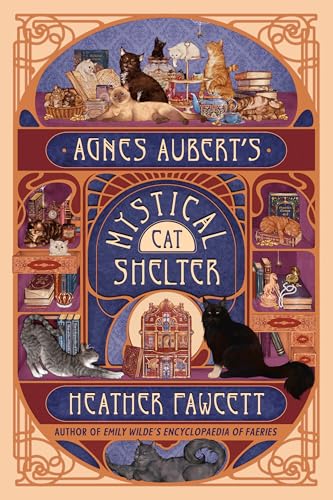 Agnes Aubert’s Mystical Cat Shelter by Heather Fawcett
Mogsy’s Rating: 4 of 5 stars
Genre: Fantasy
Series: Stand Alone
Publisher: Del Rey (February 17, 2026)
Length: 368 pages
Author Information: Website
With a title like that, it’s almost as if Heather Fawcett’s Agnes Aubert’s Mystical Cat Shelter was written to be the ultimate crowd pleaser. It’s honestly difficult to imagine anyone not being charmed by this one, at least a little. It’s got all the ingredients of a successful cozy fantasy, including a magical 1920s Montreal setting, a soft and slow-burning romance between a tenderhearted widow and a misunderstood wizard, and of course, at the center of it all, a house full of judgy cats.
The novel follows Agnes Aubert, a woman struggling to keep her small cat rescue afloat. The past few years have not been kind to her. After her husband’s sudden death, she was left to manage the shelter on her own, aided only by her sister and the occasional volunteer. They are constantly stretched thin, with too many cats in need of homes and never enough funds to cover the basic necessities plus veterinary care. And as if that wasn’t enough, Agnes is now faced with the near-impossible task of finding a new location after their previous building was destroyed by a couple of careless wizards having an impromptu duel in the streets. With winter closing in, if she cannot secure a new space, her animals will freeze. Yet what landlord in their right mind would agree to rent to a woman with dozens of stray cats which many still dismiss as little better than vermin?
Out of options, Agnes decides to take a chance on a suspiciously affordable property with a dubious reputation. While she has her misgivings, desperation leaves little room for pride. However, it doesn’t take long to discover why the rent is so cheap. Hidden in the basement is a secret magicians’ den run by the notorious wizard Havelock Renard, a man rumored to have once nearly brought about the end of the world. Agnes, however, has little interest in him or his legend. As long as she has a safe haven for her cats, she’s willing to put up with nearly anything. But when a rival from Havelock’s past resurfaces looking to settle an old score, the resulting conflict spills into Agnes’s carefully managed world. No longer able to ignore the magical chaos, she finds herself reluctantly drawn into a battle she never wanted to fight.
What follows next strikes a careful balance between the everyday realities of running a shelter and the steadily escalating trouble brewing downstairs, both literally and figuratively. Fawcett never loses sight of the practical details that shape Agnes’s life, like the routine of taking in strays, juggling adoption inquiries, as well as scraping together enough money for food, medicine, and bills. I was happy to see that the cats weren’t just thrown in to be cutesy. They’re essential to the story, each possessing their own quirks and, um, very strong opinions. Their presence keeps both our characters and the plot grounded, so that even when everything else blows up, they are a constant reminder of what’s important in Agnes’s life.
Speaking of which, characters are where this book really shines. Agnes’s world revolves around the cats, and she’s completely unapologetic about it. At the same time, there is a thread of grief running beneath her practicality and stubbornness. She’s also sensitive and deeply empathetic, with most of her quirks being coping mechanisms that prevent her emotions, which are always hovering near the surface, from breaking through. This is in stark contrast to Havelock, who despite his ominous reputation is socially awkward and comes across a little scatter brained. One gets the sense he’s not a fan of his bad rap but tolerates it by convincing himself he’d rather be feared and left alone. Watching them struggle to co-exist in this shared space is half the fun, especially when it turns out Havelock is allergic to cats! It’s a relationship that develops slowly, through small acts of kindness. In a way, these feel more meaningful and swoony than grand gestures ever will.
All that adds up to a cozy, relaxing read. The magic itself is handled with a light touch but definitely present and applied in some fun and creative ways, especially with the cats! I liked how Fawcett wrote these elements into the very fabric of the story without overwhelming it, but at the same time it’s more substantial than window dressing. The setting also plays its part, even though it’s clear that historical detail is not a priority. Still, the environment lends the book an old-world kind of charm through its descriptions and the culture of its close-knit French-Canadian neighborhoods.
In the end, Agnes Aubert’s Mystical Cat Shelter works because it knows exactly what kind of story it wants to be: a simple yet effective cozy fantasy, wistful and quirky in places to draw you in, but ultimately warm and comforting where it counts. It’s the kind of easy, low-stakes novel you want to curl up with after a long day, and even if you aren’t a cat person, it will warm your heart.

Categories: Fantasy Books
Dark Muse News: Sword & Sorcery Chain Story (#14-#18)
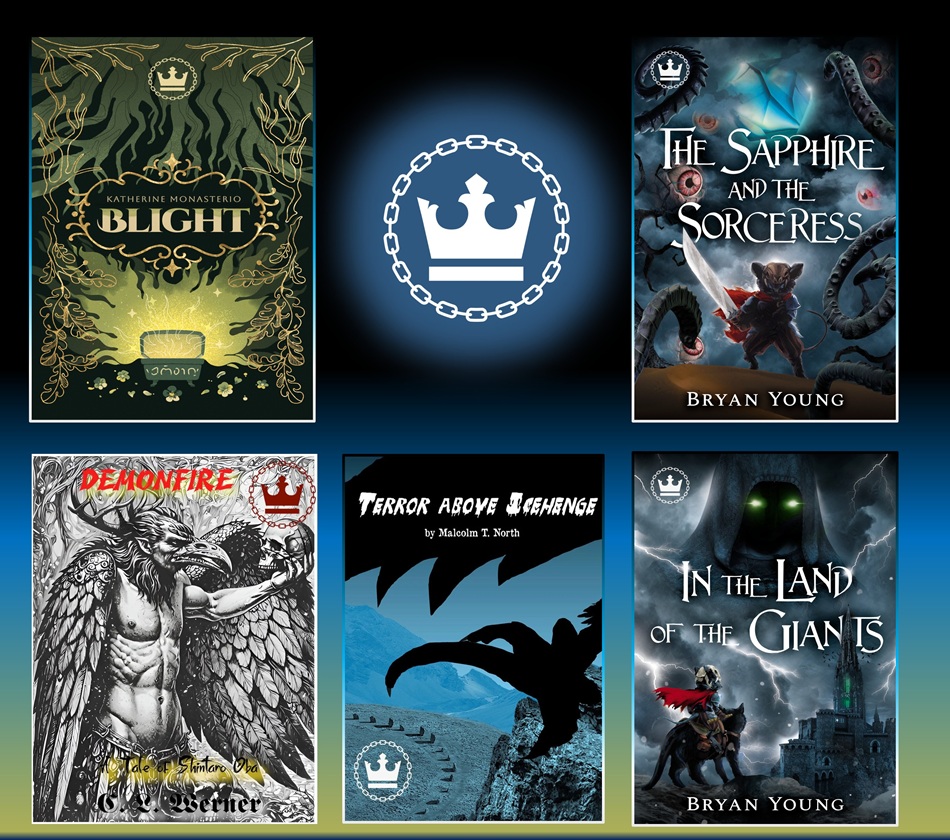
- A standalone tale
- Readable in any order
- Free to read
- Interconnected via a theme involving a Crown
- 14 Blight by Katherine Monasterio
- 15 In The Land of the Giants, by Bryan Young (second in the series via the chain!))
- 16 Demonfire: A Tale of Shintaro Oba by C. L. Werner
- 17 Terror Above Icehenge by Malcolm T. North
- 18 The Sapphire and the Sorceress by Bryan Young (third in the series via the chain!)
- The Chain Story 2 – Sword and Sorcery Entries 1-3 (Aug 2025)
- The Chain Story 2 – Sword and Sorcery – Episodes 4-8 (Oct 2025)
- The Chain Story 2 – Sword and Sorcery – Episodes 9-13 (Nov 2025)
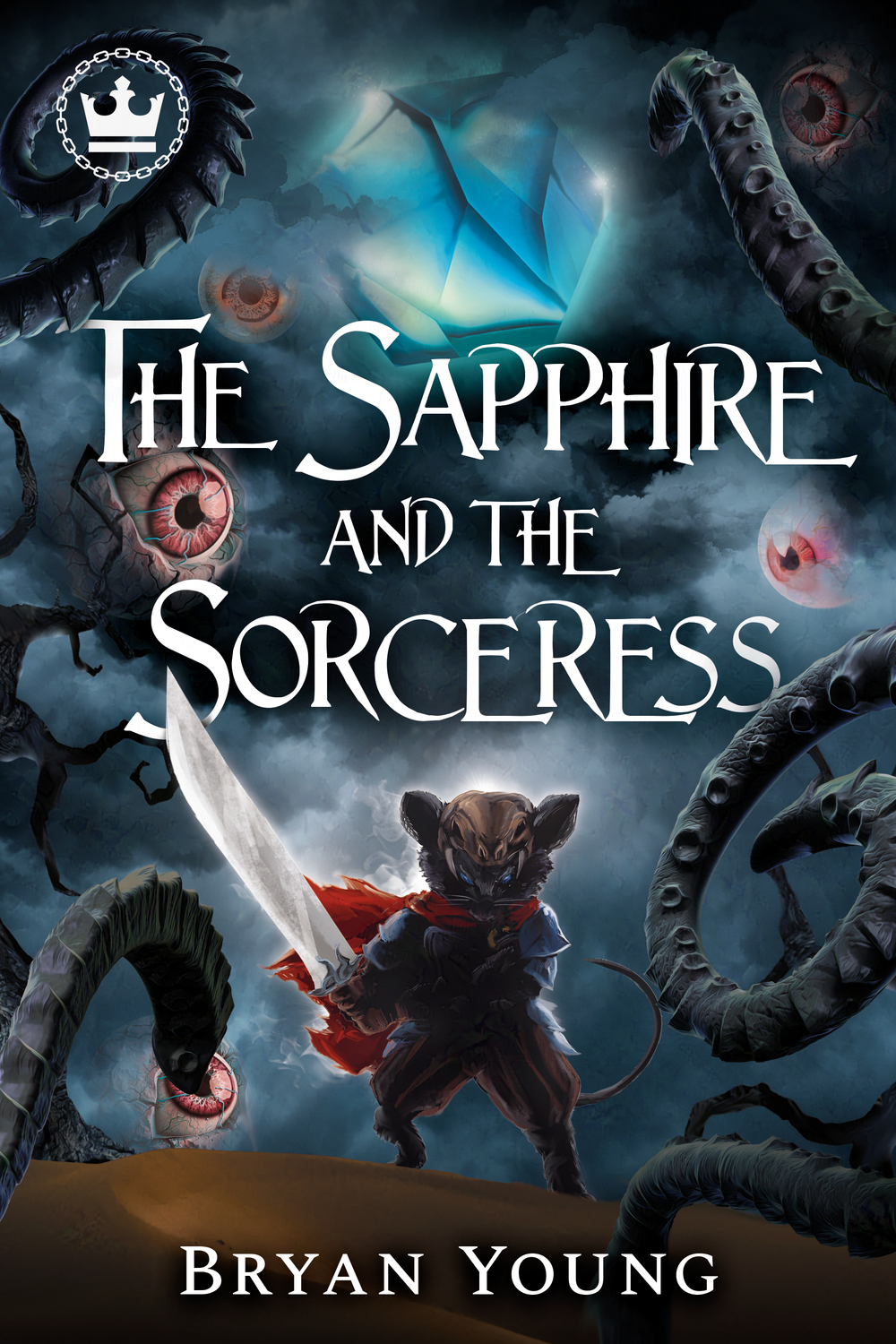
As with all good heroes, Pip does not shrink from danger and adventure. Still, there are times when it would be good to relax at home. But Pip is far from home, and is searching for a powerful sorceress who can help him on his way.
17 January 14, 2026 Terror Above Icehenge Malcolm T. NorthTo reach her, however, he’ll have to venture through the Chaos Realm and, as every true hero knows if you undertake that journey lightly, it will end quickly. But Pip has no choice, and therein our adventure begins.
16 December 31, 2025 Demonfire: A Tale of Shintaro Oba C. L. WernerA forbidden ritual conducted in secret, bathed in blood and death enables a demon to grasp unimaginable power—the power to destroy all enemies and raise himself above all others.
15 December 24, 2025 In The Land of the Giants, Bryan YoungA Samurai, whose duty calls for him to hunt down such a creature. A destiny he must pursue even as the world burns around him.
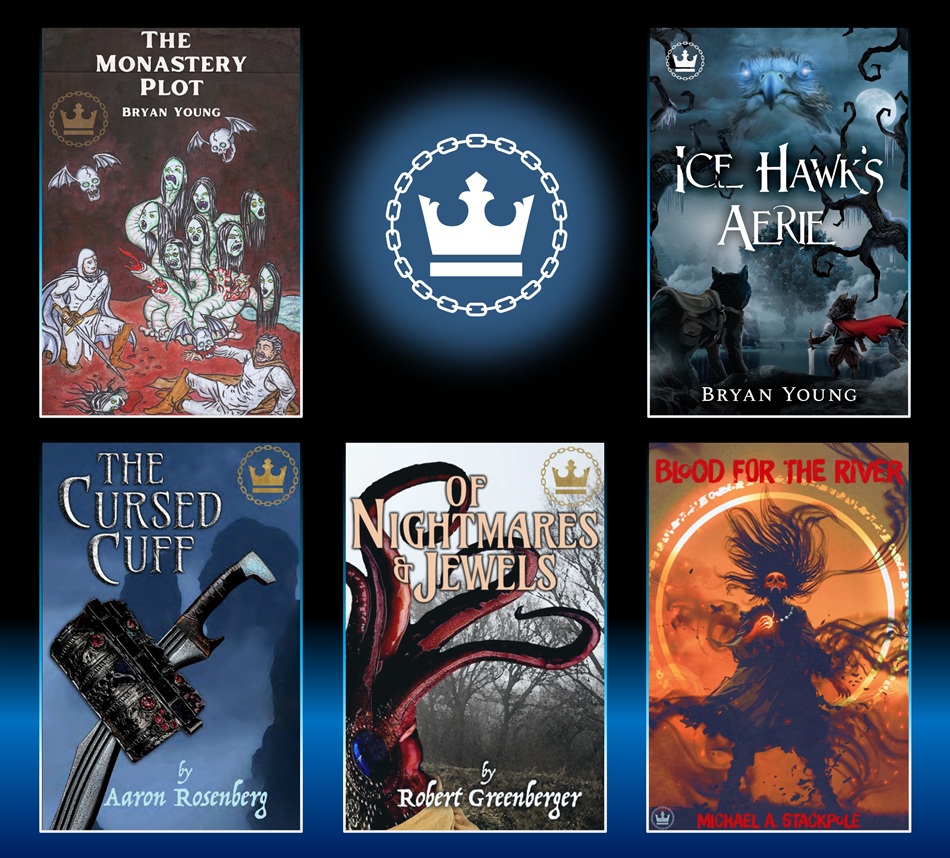
14 December 10, 2025 Blight Katherine Monasterio Forest Ranger Hazel Boncliff is a Green Speaker, a person with the magical ability to commune with plants. When the king summons Hazel and her assistant to the capital to heal the strange blight affecting his hunting grounds, she’s reluctant to help—least of all because he’s insisting his inexperienced secretary go along for the journey. But with a reward she can’t refuse and the blight’s effects more harrowing by the moment, she’ll take all the help she can get. 13 November 26, 2025 Ice Hawk’s Aerie Bryan Young A chance meeting in the dark forest. A tale of woe and injustice.Pip Strongpaw, the last of the fabled Great Catriders, must once again wield the runed-sword Feathersbane, to end the chilling menace threatening to destroy the hamlet of Riveroak. A menace of sorcerous origins against which even the bravest of heroes may not prevail. 12 November 12, 2025 Blood for the River Michael Stackpole Chased into a swamp by homicidal cultists, Kellach and Serinna encounter a fire mage who saves their lives, and then leads them on an adventure that is sure to get them killed. 11 October 14, 2025 Of Nightmares & Jewels Robert Greenberger Something drew the mage onward, always toward the northwest, through restless evenings and dark dreams of ill portent. Yet when Jareth’s traveling companion, the swordswoman Talin, asks him why, he has no idea.
And then they reached a tiny town at the edge of nowhere, wherein lurked an evil with roots sunk deep in times beyond remembering; an evil that has chosen their visit as a time to awaken. 10 October 14, 2025 The Cursed Cuff Aaron Rosenberg She came to them spinning a tale of woe. An army of undead lay siege to the Manor she called home. She had barely escaped and sough adventurers brave enough to free her people.
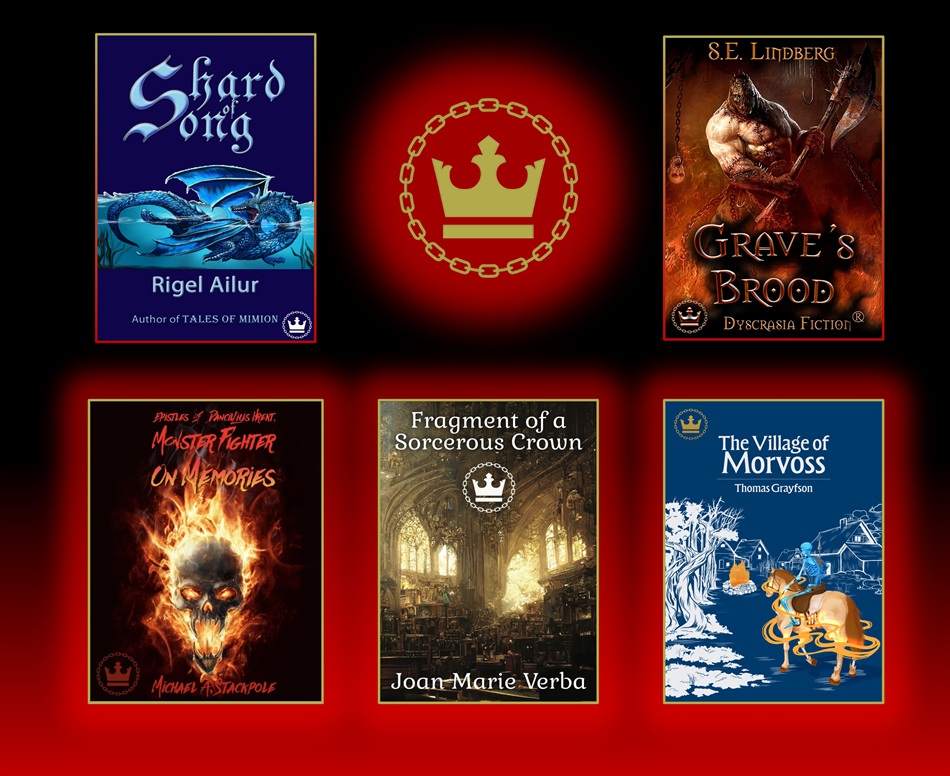
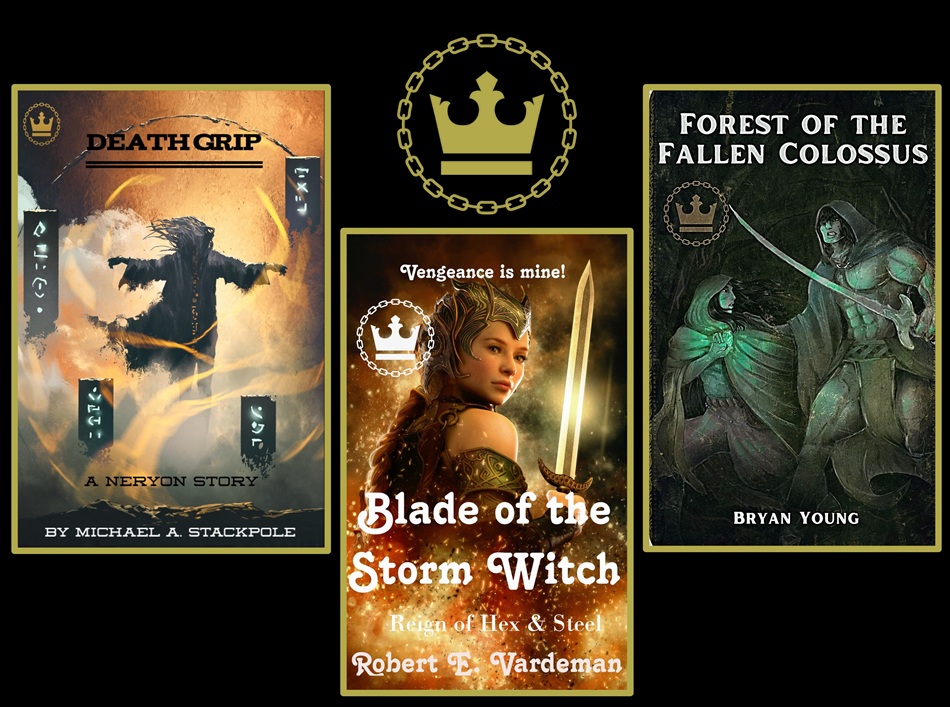
But to do that Birr Blackjaw and his companions would have to wrest an ancient artifact from the hands of a cult leader who had his own army, and a hellish pet none could hope to defeat. 9 October 1, 2025 The Monastery Plot Bryan Young Shield Maiden and legendary sleuth Sister Agatha, accompanied by her faithful initiate, Brother Dominguez, sought to enjoy peace and quiet at the Monastery of St. Maryam.Despite their desires, they soon find themselves investigating twin murders. Murders which become all that much more bizarre when the name Tarru-Syn turns up, and their search leads them into the very bowels of the earth, to face a foe from beyond their reality. 8 September 24, 2025 On Memories Michael Stackpole Dancillius Hrekt is fairly new to the world of Monster Fighting. All he wants to do is to make a good impression with his peers. And all they want is for him and his best friend to die. 7 September 10, 2025 The Village of Morvoss Thomas Grayfson In this new Kavion adventure, our tormented knight clings to the last threads of family and sanity as he navigates the mysterious Village of Morvoss. Haunted by fractured memories, he must confront the darkness around him—and within. 6 August 27, 2025 Fragment of a Sorcerous Crown Joan Marie Verba In this tale from the Chronicles of the Library of Sorcery, the sorcerers investigate a dangerous magical artifact of mysterious origin. Can the sorcerers uncover the truth?Sorcerer Serena is called to investigate an enormous, carnivorous plant. She finds that a mysterious magical artifact is behind the phenomenon. To find out where the artifact came from and what its properties might be, she consults the Library of Sorcery, where she uncovers the answers, but not on the Library shelves. Can the artifact be banished from the sorcerous regions before it becomes a more deathly threat? 5 August 13, 2025 Grave’s Brood S.E. Lindberg Doktor Grave sends Brood to recover a crown from the Red Orchard, only for Brood to find it is the source of a bloody plague caused by Grave’s experiments. Facing vampiric plants and their loyal clan, Brood must confront his past and question whether he can trust Grave or escape the nightmare himself. 4 July 28, 2025 Shard of Song Rigel Ailur Two wizards search desperately for a way to stave off a vicious magical-musical attack before the dragons succumb. A powerful relic ancient beyond memory calls to them, but do they dare use it? 3 July 16, 2025 Forest of the Fallen Colossus Bryan Young A dying robber hands Laila and Zaki a mysterious artifact in the middle of a fae-haunted wood. “Danger,” the robber manages before dying. Suddenly sister and brother find themselves safeguarding an unwanted gift—on the run for their lives in the Forest of the Fallen Colossus. 2 July 3, 2025 Death Grip Michael Stackpole The man hadn’t died easily.A smoking hole sat where his heart should have been. Terror twisted his features, and he clutched an emerald reeking of magick as if would somehow save him. Neryon and Magistrate-Martial Logan find themselves in a race to find the killer before he has a chance to harvest more victims. But, with the amount of power used on his first target, there was a big gulf between finding and stopping; and no guarantee he wouldn’t kill them, too. 1 July 3, 2025 Blade of the Storm Witch Robert E. Vardeman Her vengeance became elemental! The Conqueror-King’s minion murdered her pirate husband. The Lady Rennata was condemned to follow him into a watery grave—until wind and wave swept her to a magical blade that commands all of Nature.
S.E. Lindberg is a Managing Editor at Black Gate, regularly reviewing books and interviewing authors on the topic of “Beauty & Art in Weird-Fantasy Fiction.” He has taken lead roles organizing the Gen Con Writers’ Symposium (chairing it in 2023), is the lead moderator of the Goodreads Sword & Sorcery Group, and was an intern for Tales from the Magician’s Skull magazine. As for crafting stories, he has contributed eight entries across Perseid Press’s Heroes in Hell and Heroika series, and has an entry in Weirdbook Annual #3: Zombies. He independently publishes novels under the banner Dyscrasia Fiction; short stories of Dyscrasia Fiction have appeared in Whetstone Amateur S&S Magazine, Swords & Sorcery online magazine, Rogues In the House Podcast’s A Book of Blades Vol I & II, DMR’s Terra Incognita, the 9th issue of Tales From the Magician’s Skull, Savage Realms Magazine, and Michael Stackpole’s S&S Chain Story 2 Project.
Categories: Fantasy Books
Spotlight on “Upward Bound” by Woody Brown
Other LitStack Spots Other Titles that Litstack has spotted and that we have our eyes…
The post Spotlight on “Upward Bound” by Woody Brown appeared first on LitStack.
Categories: Fantasy Books
Pages

Recent comments